Malta and Gozo are some of the most beautiful tourist destinations and are popular because there is a lot to do, see and experience on these islands. However, the beauty of these islands does not end on land, as it extends into the surrounding sea, where there is crystal clear water and numerous diving sites for you to experience and enjoy.
While there are areas of shallow water where everyone can enjoy a swim, those who want to experience the beauty below the surface must undergo diver training and certification.

Content
Why Get Your Diving Training and Certification in Malta and Gozo
Since it is a popular tourist destination, it is very easy to reach the island of Malta. There are numerous flights to Malta year-round, from where you can reach Gozo in different ways. The first is taking a bus to Ċirkewwa in Malta and then boarding a ferry that will take you to Mgarr Harbour in Gozo, from where you can drive around the island. The other is to drive from anywhere in Malta to Mgarr Harbour, take the same ferry, and visit Gozo.
When visiting either or both islands, there are several reasons why they are perfect for diver training and certification. The main one is that the region receives sunshine for 300 days out of the year, so the waters near the islands are warm and therefore ideal for snorkelling and diving.
There are also shallow water spots for beginners to train and deeper water where interesting sites are located that every diver should visit once they have enough experience.
Lastly, there are numerous certified diving centres with retained professionals who train everyone from beginners to pros. The Ritual Diving Center, for example, has a team that makes it easy for divers of different skill levels to get into diving or improve their skills. They also provide all the necessary equipment, so you only need to bring an interest in diving and a willingness to learn.
What The Diving Training and Certification Entails
Each diving centre’s steps, procedures, and details are slightly different, but the training is standardised to ensure divers are trained to the highest standards depending on their level. All classes and training sessions are meant to help you understand your equipment, how to work with it, how to dive, and how to take care of yourself while diving.
Typical classes start with a simple discovery session. This first session is meant to make beginner divers comfortable with the ocean and their equipment. The instructor will show you how to control, use and manage the equipment.
After one or a few sessions, you will understand the basics better and know how to use your equipment to breathe underwater and explore shallow water. The height of the water for these sessions is about 5 metres.
Being underwater is a different feeling from being on land or swimming in a pool, so it might take time to get used to it.
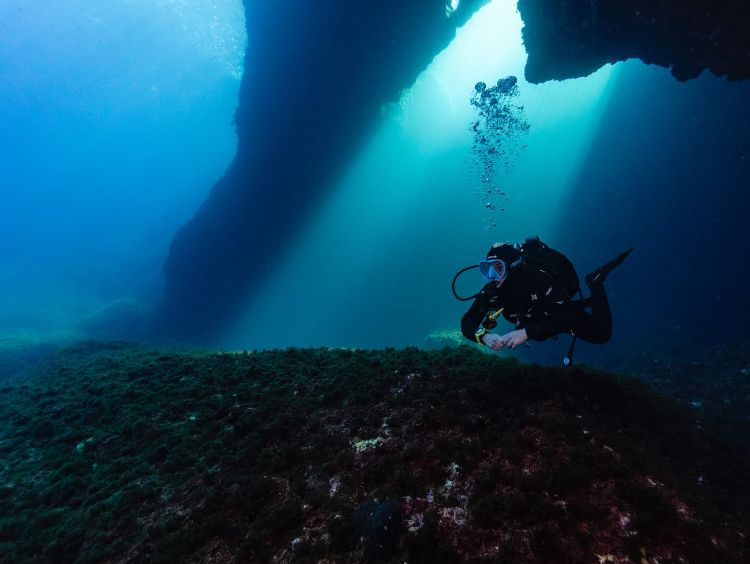
Open Water Sessions
This course is the first one you need to take for your certification. The trainer will take you into more detail about the breathing equipment, your buoyancy control device, weights, and other basic equipment you will use when scuba diving.
Divers will learn how to assemble and use their equipment, how to master buoyancy, and how to remain safe when diving. The number of dives varies depending on the diving centre, but you can expect four to six dives. The depth for the open water dives is between 18 and 20 metres.
Once you have completed the online coursework, in-water training, and the four to six dives, you will be certified as an entry-level scuba diver.

Advanced Open Water Diving
If you have been diving for a while and feel it is time to take your skills to the next level, you can enrol for advanced. This certification allows you to dive up to 40 metres.
The advanced training will involve understanding the complexities of swimming deeper for longer periods and how to make the most use of the air you have available. Remember that having advanced certification does not necessarily mean you are an advanced diver because that comes with experience.
However, advanced scuba certification opens the door for more exploration and for you to start considering specialty courses. Some of these specialties include stress and rescue, underwater photography, night and limited visibility diving, first aid, deep diving, advanced wreck diving, and many others.
Diving is an amazing sport that will open up your world, so you have experiences you cannot get anywhere else. It will also introduce you to a community of enthusiasts who will become lifelong friends. You can complete your training in the clear and warm waters of Malta and Gozo where you can find diving centres that provide scuba training for people of all skill levels, from beginners to pros.


