Tucked away in the northern reaches of the Cordillera Administrative Region, Apayao is one of the Philippines’ least explored provinces—but that’s exactly what makes it so special. With vast forestlands, winding rivers, and a population steeped in indigenous heritage, Apayao is where nature and culture come together in the most authentic and awe-inspiring ways.
Here, festivals aren’t just events. They’re expressions of identity, resilience, and a shared love for the land. Whether you’re an intrepid traveler seeking new cultural adventures or a local proudly celebrating your roots, Apayao’s festivals are worth the journey.
Let me take you on a tour of the province’s most meaningful and colorful celebrations:
Content
Say-am Festival
When: February 14
Where: Province-wide
At the heart of Apayao’s cultural calendar is the Say-am Festival—a vibrant province-wide celebration held every February 14th, coinciding with Apayao’s founding anniversary.
“Say-am” is a traditional Isnag celebration or thanksgiving ritual, often held to mark important milestones in the community. During this festival, it’s brought to life on a grander scale, reflecting both the pride and unity of the Apayao people.
Here’s what you’ll love:
- Cultural Presentations: From traditional Isnag chants and dances to sacred rituals, it’s an immersive glimpse into a way of life that’s both ancient and alive.
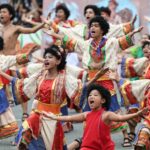
- Street Dancing Competitions: Dancers from different towns flood the streets in colorful costumes, reenacting stories of bravery, love, and everyday Isnag life.
- Agri-Industrial & Tourism Fair: Discover locally made crafts, organic produce, and traditional delicacies that tell the story of Apayao’s land and livelihood.
- Float Parade: Each municipality pulls out all the stops to decorate floats that reflect their natural resources and cultural identity.
- Dayag ti Apayao (Miss Apayao): A prestigious pageant where candidates not only showcase beauty and poise but also deep cultural knowledge and advocacy for the province.
More than just festivities, the Say-am Festival is a powerful expression of gratitude—for the land, the culture, and the continued growth of the province.

Lapat Festival
When: Varies
Where: Calanasan and surrounding municipalities
While many festivals celebrate abundance and joy, the Lapat Festival in Calanasan brings attention to something deeper: our relationship with nature.
“Lapat” is a traditional Isnag system of environmental protection. It’s a form of indigenous conservation—closing off parts of the forest or river to allow them to rest, regenerate, and heal. In a world struggling with climate change, the Isnag people’s wisdom feels more relevant than ever.
Here’s what makes the Lapat Festival so meaningful:
- Reenactments of the Lapat System: Watch powerful dramatizations and rituals that tell the story of how the community protects their forests and rivers.
- Environmental Education and Advocacy: Talks, exhibits, and art installations highlight the importance of the Lapat system—not just for Apayao, but as a model for the rest of the country.
- Spotlight on Biodiversity: Did you know the critically endangered Philippine Eagle has found refuge in Apayao’s forests, thanks in part to Lapat? This festival honors that achievement.
The Lapat Festival isn’t just about celebrating nature—it’s a living promise to care for it. It’s where ancient practices and modern environmentalism meet.
Rambak ni Mannalon
Where: Luna, Apayao
What it means: “Festival of Farmers”
In the quiet municipality of Luna, a heartfelt celebration called Rambak ni Mannalon shines a spotlight on the people who truly feed the community—the farmers.
The name says it all. Rambak ni Mannalon is a thanksgiving festival dedicated to local farmers, whose hard work ensures that tables are filled and traditions continue. And in Luna, that means rice—one of its most important crops and its proud One Town, One Product (OTOP).
Here’s what makes this celebration so special:
- Agro-Fair (Partuat ni Mannalon): Picture rows of booths showcasing freshly harvested rice, root crops, fruits, vegetables, and homemade delicacies—all grown or made by local hands.
- Ecumenical Ceremony: Before the festivities begin, blessings are offered for the farmers and the community, setting a tone of gratitude and unity.
- Abel ti Luna Fashion Show: Locally woven textiles take center stage here, celebrating Luna’s weaving tradition with creativity and flair.
- Cultural Performances: Songs, dances, and skits tell stories of rural life, from planting to harvest.
Rambak ni Mannalon isn’t just about farming—it’s about pride in one’s roots, in the soil, and in the hands that till it.
Bumayah Festival
Where: In areas with Ifugao influence in Apayao
Though Bumayah is traditionally an Ifugao harvest dance, it has found meaning among communities in Apayao that share Ifugao roots. The festival is a deeply spiritual thanksgiving ritual to Kabunian, the god of creation, and is performed to express joy for a bountiful rice harvest.
Here’s what you’ll see during the Bumayah Festival:
- Harvest Dance: Men and women perform synchronized movements while chanting and dancing in circles, mimicking the rhythm of daily life and the pulse of the land.
- Traditional Attire: Participants don colorful woven garments, ornaments, and headdresses passed down through generations.
- Storytelling and Music: Community elders and performers share legends, history, and songs, accompanied by the steady beat of gongs and wooden percussion.
This festival may be smaller in scale, but it holds a deep spiritual significance, connecting people to their ancestors, the harvest cycle, and the divine.
Wrap-Up: A Living Heritage
Every festival in Apayao feels like a living memory, passed from generation to generation. Whether it’s the grandeur of Say-am, the environmental message of Lapat, the gratitude in Rambak ni Mannalon, or the ancestral rhythms of Bumayah, these celebrations carry the heartbeat of the Isnag and other indigenous peoples of the Cordillera.

They’re not just events on a calendar—they are gatherings of purpose, identity, and pride.
So if you ever find yourself drawn to the north, longing for a destination where traditions are alive and nature is revered, come to Apayao. The festivals here will welcome you with open arms—and leave you with a deeper appreciation for culture, community, and the land we all share.