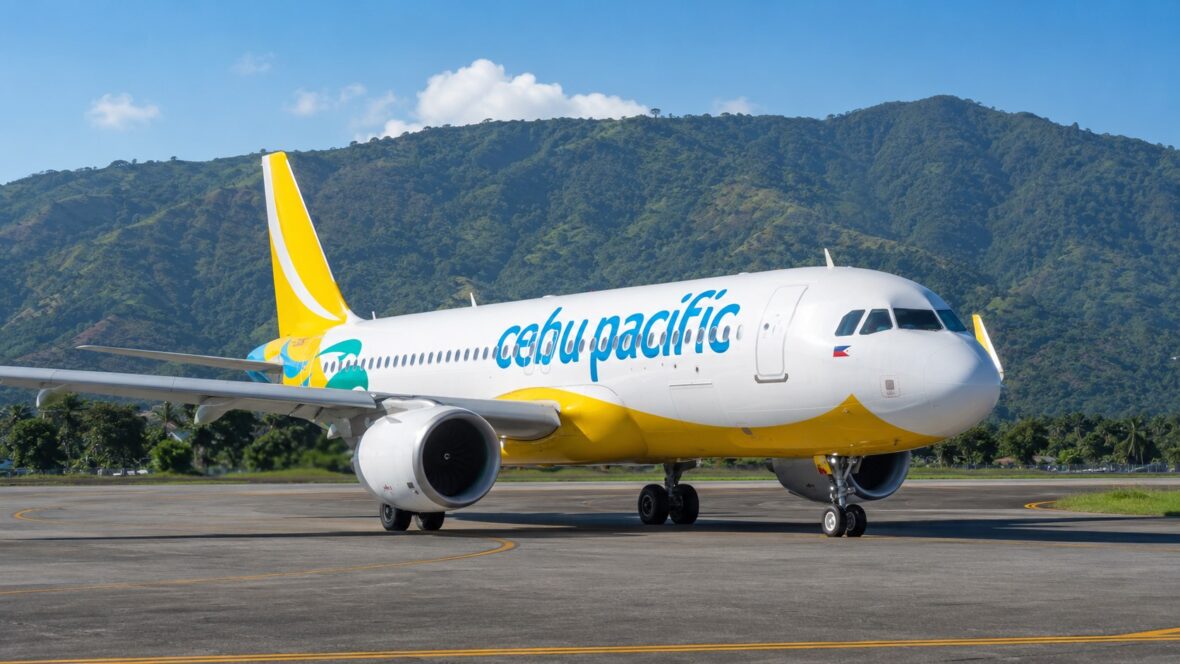
If you’re flying with Cebu Pacific and planning to bring a suitcase, one of the first things you should check is your checked baggage allowance.
This is where many travelers get surprised.
You book a cheap Cebu Pacific fare, maybe during a seat sale, and you think everything is already included. Then later, while packing, you realize your fare may only include hand-carry baggage. Suddenly, you need to add checked baggage, upgrade your allowance, or figure out if your suitcase is too heavy.
Don’t worry. Cebu Pacific checked baggage rules are not that hard to understand once you know the basics.
In this guide, let’s talk about what checked baggage means, which Cebu Pacific fares include it, how much weight you can bring, how many bags are allowed, how to add baggage after booking, what happens if your bag is overweight, and what items should or should not go inside your checked luggage.
Content
What Is Checked Baggage?
Checked baggage is the luggage you hand over to the airline before your flight. It is usually dropped off at the check-in counter, bag drop counter, or self bag drop area. After that, it is loaded into the aircraft’s cargo hold and returned to you at baggage claim when you arrive.
This is different from hand-carry baggage, which you bring with you inside the aircraft cabin.
Checked baggage is usually for bigger items: clothes, shoes, toiletries, pasalubong, extra bags, larger liquids, and other things you don’t need during the flight.
But here’s the important part: checked baggage is not always included in every Cebu Pacific ticket.
Is Checked Baggage Included in Cebu Pacific?
It depends on your fare bundle.
Cebu Pacific says checked baggage is only included in the GO Easy and GO Flexi fare bundles. GO Basic does not include checked baggage, but baggage can be purchased as an add-on. GO Easy and GO Flexi include one piece of checked baggage with a 20kg allowance, with a size limit of 99cm x 99cm x 99cm or 39in x 39in x 39in.
Here’s the simple version:
| Cebu Pacific Fare Bundle | Checked Baggage Included? | Allowance |
|---|---|---|
| GO Basic | No | Checked baggage available as add-on |
| GO Easy | Yes | 1 piece, 20kg |
| GO Flexi | Yes | 1 piece, 20kg |
This is one of the most important things to check before flying.
If you booked GO Basic because it was the cheapest option, don’t expect to check in a suitcase for free. You need to buy checked baggage separately if you want to bring one.
Cebu Pacific Checked Baggage Weight Allowance
For Cebu Pacific checked baggage, the basic included allowance under GO Easy and GO Flexi is one piece at 20kg. Cebu Pacific also says that for every 20kg of prepaid baggage allowance, passengers are entitled to bring one piece of checked baggage.
This means weight and number of pieces go together.
If you have one 20kg allowance, think of it as one checked bag. If you need to bring another separate suitcase, you need to purchase another baggage piece. If your one bag is heavier than 20kg, you may need to upgrade the weight allowance.
This is where many travelers get confused, so let’s make it simple:
If you need a heavier bag, upgrade the weight.
If you need another bag, buy an extra piece.
Those are not the same thing.
Cebu Pacific Checked Baggage Size Limit
Cebu Pacific’s checked baggage size limit for the 20kg allowance is 99cm x 99cm x 99cm, or 39in x 39in x 39in.
For most regular suitcases, this is usually enough. But if you are bringing a box, oversized luggage, musical instrument, sports gear, or unusual item, don’t assume it will be accepted as normal checked baggage.
Measure your bag if it looks oversized. It’s better to check before your flight than to be surprised at the airport.
Can You Add Checked Baggage After Booking?
Yes. Cebu Pacific allows passengers to add baggage through Manage Booking. The Manage Booking feature lets passengers view their itinerary, rebook flights, check in online, update guest details, add baggage, settle balances, purchase add-ons, request refunds, and more.
This is very useful if you booked a GO Basic fare first and later realized you need checked baggage.
For example, maybe you planned to travel light, but after packing, your bag already exceeded the hand-carry limit. Or maybe your trip got longer. Or maybe you’re bringing pasalubong on the way home.
Instead of waiting until the airport, open Manage Booking and add baggage before your flight.
When Should You Add Checked Baggage?
The best time to add checked baggage is before going to the airport.
Cebu Pacific allows baggage add-ons and upgrade options through its website or app, and its baggage guide explains the available checked baggage allowance, upgrades, and extra piece options.
Even if baggage can sometimes be purchased at the airport, it is usually better to do it online. Airport baggage fees can be more expensive, and the process can be more stressful, especially if there are long lines or you are already running late.
My practical advice is simple: if you know you need checked baggage, add it early.
Don’t wait until you’re standing at the check-in counter with an overweight hand-carry bag.
How Many Checked Bags Can You Bring?
Cebu Pacific says every 20kg of prepaid baggage allowance entitles you to bring one piece of checked baggage. It also states that passengers can purchase up to a maximum of three checked baggage pieces through the mobile app or website, with each piece having a base weight of 20kg.
So if you need more than one bag, you need to purchase additional pieces.
For example:
One 20kg allowance = one checked bag.
Two 20kg allowances = two checked bags.
Three 20kg allowances = three checked bags.
This is helpful for family trips, long vacations, international travel, balikbayan-style packing, or trips where you’re bringing many items.
But remember: more bags also means more things to manage at the airport, more waiting at baggage claim, and more risk of exceeding weight limits.
Baggage Upgrade vs Extra Piece
This is one of the most important parts of Cebu Pacific checked baggage rules.
A baggage upgrade increases the weight allowance of an existing checked baggage piece.
An extra piece allows you to bring another separate checked bag.
Cebu Pacific’s Manage Booking page mentions that passengers can upgrade baggage allowance by 4kg, 8kg, or 12kg.
So if you already have one 20kg checked bag and need more weight in that same bag, you may upgrade the allowance. But if you want to bring a second suitcase, you need to buy an extra piece.
Don’t mix them up.
If you buy a weight upgrade but arrive with two bags, you may still have a problem. If you buy another piece but one bag is too heavy, you may still need to manage the weight.
What Is the Maximum Weight Per Bag?
Cebu Pacific’s airport baggage guideline says no single bag can exceed 32kg.
This is an important rule because even if you are willing to pay excess baggage fees, there is still a maximum weight per bag.
So if your suitcase weighs more than 32kg, you may need to repack and divide the items into another bag. This rule is not just about fees. It is also about safety and handling.
Airport staff need to lift and move checked bags, so airlines usually have a maximum single-bag weight limit.
My advice: don’t pack one giant suitcase until it becomes impossible to carry. It’s better to spread items properly if you have multiple bags.
What Happens If Your Checked Baggage Is Overweight?
If your checked baggage exceeds your purchased allowance, you may need to pay excess baggage fees.
Cebu Pacific’s airport baggage guideline notes that no single bag can exceed 32kg and also lists excess baggage-related fees.
This is why a luggage scale is one of the most useful travel items you can buy. It’s small, affordable, and can save you from surprise airport fees.
Weigh your bag at home before leaving. Don’t guess.
A suitcase can feel “okay” when you lift it for two seconds, but it may still be several kilos over the limit.
Can You Buy Checked Baggage at the Airport?
Cebu Pacific’s international travel guide says baggage can still be purchased at the airport, with a maximum allowance of three check-in bags, subject to standard fees and weight limits.
So yes, airport baggage purchase may be available.
But again, it is better to buy baggage online before your flight if you already know you need it. Buying at the airport can be more expensive and stressful. It can also slow you down during check-in.
Airport baggage purchase should be your backup plan, not your main plan.
What If You Booked GO Basic?
If you booked GO Basic, checked baggage is not included. Cebu Pacific’s baggage guide lists GO Basic as having no checked baggage allowance, while GO Easy and GO Flexi include one 20kg checked bag.
This is very common during seat sales because many promo fares are booked under the cheapest available bundle.
If you’re traveling for only one or two nights, GO Basic may be fine if you can fit everything into hand-carry. But if you’re bringing a suitcase, don’t forget to add checked baggage.
The mistake is not booking GO Basic. The mistake is booking GO Basic and assuming baggage is included.
What If You Booked GO Easy or GO Flexi?
If you booked GO Easy or GO Flexi, you already have one piece of checked baggage with a 20kg allowance.
That means you may not need to add baggage unless you need more weight or another separate bag.
Still, check your itinerary. Make sure the baggage allowance appears correctly in your booking.
If your trip is longer, or if you plan to shop, you may still want to upgrade the baggage weight or buy another baggage piece.
Can You Share Baggage Allowance With Your Travel Companion?
This is a common question for families, couples, and barkada trips.
Baggage rules can depend on the booking, the passengers, the number of pieces, and the airline’s current policy. Cebu Pacific’s baggage guide has a section for baggage allowance and baggage pooling or combining, so it’s best to check the rules for your specific booking before assuming you can combine everything freely.
As a practical tip, don’t put everyone’s items into one extremely heavy suitcase. Even if you are traveling as a group, the single-bag weight limit still matters.
If the bag exceeds the allowed maximum weight, you may need to repack.
What Should You Put in Checked Baggage?
Checked baggage is best for items you don’t need during the flight.
These may include clothes, shoes, toiletries, extra bags, larger bottles, non-fragile items, and pasalubong.
For international flights, checked baggage is also useful for liquids or toiletries that may not be allowed in large amounts in hand-carry.
But be careful. Not everything should go into checked baggage.
What Should You Not Put in Checked Baggage?
Do not put your most important items in checked baggage.
Keep your passport, valid ID, wallet, cash, credit cards, phone, medicine, laptop, camera, jewelry, power bank, chargers, important documents, and fragile valuables in your hand-carry.
Cebu Pacific’s hand-carry guide recommends keeping valuables such as travel documents, wallets, gadgets, and personal belongings with you at all times.
This is very practical advice.
Once your checked baggage is accepted, you won’t see it again until you arrive. If your bag is delayed, damaged, or misplaced, you don’t want your passport, medicine, laptop, or money inside it.
Can You Put Power Banks in Checked Baggage?
No, don’t put power banks in checked baggage.
Cebu Pacific has a dedicated guide for power bank limitations and explains that the airline follows aviation safety rules for lithium battery-powered devices and power banks.
As a practical travel rule, power banks should be kept in hand-carry, not checked baggage.
Also, make sure the power bank capacity label is readable. If the label is damaged, unclear, or the capacity is too high, it may be questioned or not accepted.
Can You Put Liquids in Checked Baggage?
In many cases, larger liquids, toiletries, shampoos, lotions, perfumes, and similar items are better placed in checked baggage, especially for international flights where hand-carry liquids may be limited.
But make sure they are sealed properly. Use plastic bags or pouches to prevent leaks. Cabin pressure and baggage handling can cause bottles to spill.
Also, avoid bringing prohibited or hazardous liquids. Not all liquid items are automatically allowed.
Cebu Pacific has a checked baggage item guide that covers frequently asked items, including food, health and personal care, household items, gadgets, sports equipment, hobby equipment, and miscellaneous items.
If you’re unsure about a specific item, check the guide before packing.
Can You Put Food in Checked Baggage?
Some food items may be allowed in checked baggage, but it depends on the type of food, destination, and rules of airport security or customs.
Dry, sealed, and commercially packed food is usually easier than wet, fresh, smelly, perishable, or homemade items. But for international travel, customs rules matter a lot.
Even if an airline allows an item, your destination country may restrict meat, fruits, vegetables, seeds, plants, dairy, or other agricultural products.
For domestic travel, pasalubong is usually more straightforward, but still pack it securely. Food can leak, smell, or break during baggage handling.
If you’re bringing delicacies, pack them well and make sure they won’t damage your clothes or other items.
Can You Bring Boxes as Checked Baggage?
Travelers often use boxes for pasalubong, fragile items, or bulky goods.
Boxes may be accepted if they follow the airline’s size, weight, and packaging rules. But don’t use weak boxes or poor tape. Airport baggage handling can be rough, and boxes can tear open if they are not packed properly.
If you’re checking in a box, reinforce it with strong tape. Label it clearly. Avoid overpacking it. And don’t put fragile or valuable items inside unless they are protected very well.
Also remember the size and weight limits. A box may look acceptable, but if it exceeds the allowed size or weight, you may need to pay fees or repack.
What About Sports Equipment, Musical Instruments, and Special Items?
If you are bringing sports equipment, musical instruments, religious items, or other large specialized items, regular checked baggage may not be enough.
Cebu Pacific has a CEB Special Baggage option for larger or specialized items. Its special baggage guide says CEB Special Baggage is available up to two hours before the flight through the Cebu Pacific app, and a MyCebuPacific account is required to manage the booking. It also says each passenger is allowed one of each kind of special baggage, with a 20kg weight per item; excess baggage fees apply if the item is over 20kg, and baggage can be increased to a maximum weight of 32kg.
This is important if you’re bringing items like instruments, golf equipment, surfboards, bikes, or other bulky gear.
Don’t assume these can be handled like a normal suitcase. Check the special baggage rules before flying.
Can You Bring Electronics in Checked Baggage?
Some electronics may be allowed in checked baggage, but valuable and fragile electronics should stay in your hand-carry whenever possible.
Cebu Pacific’s checked baggage guide includes appliances, electronics, and gadgets as one of the item categories travelers should review.
For practical travel, avoid placing laptops, cameras, tablets, hard drives, and expensive gadgets in checked baggage. These items can get damaged or lost.
If you must pack an electronic item in checked baggage, protect it well and check whether it has a battery restriction.
How to Add Checked Baggage Through Manage Booking
To add checked baggage, go to the Cebu Pacific website or app and open Manage Booking.
You’ll usually need your booking reference number and passenger details. Once your booking appears, look for baggage or add-ons. Choose the baggage option you need, review the total price, and proceed with payment.
Cebu Pacific’s Manage Booking page confirms that passengers can add baggage and purchase add-ons through the feature.
After payment, save your updated itinerary or confirmation. Take a screenshot so you have proof of the baggage add-on.
Before your flight, check again that the baggage allowance appears in your booking.
Checked Baggage for Roundtrip Flights
If you booked a roundtrip flight, check whether you need baggage on both flights or only one way.
Many travelers travel light going to the destination, then bring home more items on the return flight. For example, you may fly from Manila to Cebu with hand-carry only, but return with pasalubong, dried mangoes, shirts, coffee, or souvenirs.
In that case, you may only need checked baggage for the return flight.
When adding baggage, review the flight segment carefully. Make sure you’re adding baggage to the correct direction and date.
Checked Baggage for International Flights
For international Cebu Pacific flights, checked baggage becomes even more important.
International trips usually require more clothes, toiletries, jackets, shoes, documents, and sometimes shopping space. If you are traveling to colder countries like Japan or South Korea, your clothes may be heavier. If you are going to Singapore, Bangkok, or Hong Kong for shopping, you may come home with more items than you brought.
Also, international flights have stricter rules on hand-carry liquids, batteries, food, and destination customs regulations. Some items are better packed in checked baggage, while others must stay in hand-carry.
For international trips, I usually recommend planning your baggage earlier. Don’t wait until the night before your flight to decide.
Checked Baggage for Domestic Flights
For domestic flights, checked baggage may not always be necessary.
If you’re going on a quick weekend trip to Cebu, Iloilo, Bacolod, Davao, Bohol, or Caticlan, hand-carry may be enough if you pack light.
But if you’re bringing gifts, going home to the province, traveling with kids, attending a wedding, or staying longer, checked baggage is usually worth it.
Domestic flights can also be strict with hand-carry weight. Cebu Pacific’s domestic guide says hand-carry bags may be assessed before departure or boarding, and bags exceeding 7kg may be checked in with applicable fees.
So if your hand-carry is already overweight, it may be better to buy checked baggage ahead of time.
What Happens at the Airport With Checked Baggage?
When you arrive at the airport, proceed to the Cebu Pacific check-in area, bag drop counter, or self bag drop kiosk if available.
Your bag will be weighed. If it is within your allowance, it will be tagged and accepted. You’ll receive a baggage tag or claim stub. Keep this until you receive your bag at your destination.
If your bag is overweight, oversized, or you brought more pieces than allowed, airport staff may ask you to pay additional fees, repack, or remove items.
After your bag is accepted, it will be sent to the aircraft. You will claim it later at your arrival airport.
Baggage Claim After Arrival
After landing, follow signs to baggage claim.
Check the airport screen to find the carousel assigned to your flight. Wait for your bag and check the luggage tag before leaving.
Many suitcases look alike, so don’t just grab a black suitcase and walk away. Check the tag, ribbon, sticker, or identifying mark.
If your bag does not arrive, or if it arrives damaged, report it immediately before leaving the airport. Don’t wait until you get home.
How to Avoid Checked Baggage Problems
Weigh your bag at home.
Check your fare bundle before packing.
Add baggage online if it is not included.
Do not exceed the single-bag maximum weight.
Do not put power banks in checked baggage.
Do not put passports, wallets, laptops, medicine, or valuables inside checked baggage.
Use a luggage tag.
Take a photo of your bag before checking it in.
Keep your baggage claim stub.
Pack liquids inside sealed pouches.
Arrive early, especially if you have checked baggage.
These small habits can make your airport experience much smoother.
Common Cebu Pacific Checked Baggage Mistakes
The first mistake is assuming checked baggage is included in every fare. GO Basic does not include checked baggage.
The second mistake is confusing baggage weight upgrades with extra pieces. If you need a second bag, you need another baggage piece, not just extra kilos.
The third mistake is packing one bag over 32kg. Cebu Pacific’s airport baggage guideline says no single bag can exceed 32kg.
The fourth mistake is waiting until the airport to buy baggage. While airport baggage purchase may be available, it is better to add baggage online before your flight.
The fifth mistake is putting important items in checked baggage. Keep valuables, documents, gadgets, and medicine in hand-carry.
The sixth mistake is bringing special items without checking if they need CEB Special Baggage. Large or specialized items may need a different add-on.
Is Checked Baggage Worth It?
Checked baggage is worth it if you need more space, want to bring liquids or toiletries, plan to shop, travel internationally, or simply don’t want to worry about the 7kg hand-carry limit.
It is also worth it if you’re traveling with kids, going on a long trip, attending an event, or bringing pasalubong.
But if you’re only going away for one or two nights, hand-carry may be enough. Just make sure your bag follows Cebu Pacific’s hand-carry rules.
The key is to be realistic.
If you are forcing everything into hand-carry just to save money, but your bag is clearly overweight, checked baggage may be the better choice. It gives you peace of mind and makes your airport experience less stressful.

Final Thoughts
Cebu Pacific checked baggage rules are simple once you understand the basics.
GO Basic does not include checked baggage. GO Easy and GO Flexi include one 20kg checked bag. Every 20kg prepaid baggage allowance is good for one checked baggage piece, and passengers can purchase additional pieces if needed.
If you need more weight, upgrade your baggage allowance. If you need another suitcase, buy an extra piece. If you’re bringing special items, check if you need CEB Special Baggage. And always remember that no single bag can exceed 32kg.
Most importantly, don’t wait until the airport to think about baggage. Check your fare, weigh your luggage, add baggage online if needed, and keep your important items in your hand-carry.
A smooth Cebu Pacific trip starts with smart packing. If your checked baggage is within the rules, properly packed, and already added to your booking, you can arrive at the airport with less stress and more excitement for your trip.