Tawi-Tawi, the southernmost province of the Philippines, is a place where the sea is not just a backdrop but the very soul of life. From the fishing boats dotting its horizon to the seaweed farms swaying beneath its turquoise waters, the province thrives on its connection to the ocean.
But beyond the waves, Tawi-Tawi is also home to vibrant traditions shaped by its indigenous communities, including the Sama, Badjao, and Tausug peoples.
One of the best ways to experience this unique identity is through the province’s festivals. These celebrations bring together culture, livelihood, and history in ways that are both colorful and meaningful. In Tawi-Tawi, festivals are not only spectacles of dance, music, and parades—they are affirmations of heritage and unity.
If you are planning a trip to this southern paradise, here are the festivals you should not miss.
Content
Agal-Agal Festival: A Tribute to Seaweed and Unity
When it comes to Tawi-Tawi, seaweed is king. Known locally as agal-agal, seaweed is the province’s top product and a major source of livelihood for its people. To honor this humble yet valuable crop, the province holds the Agal-Agal Festival every September, with the capital Bongao serving as the main hub of festivities. The celebration culminates on September 27, which also marks the founding anniversary of Tawi-Tawi.
At its heart, the festival is a thanksgiving for the sea’s bounty and a recognition of the importance of seaweed farming in the local economy. But it is also much more than that. It has become a celebration of Tawi-Tawi’s cultural diversity, bringing together the different ethnic groups that call the province home.
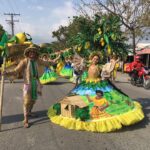
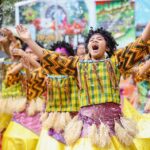
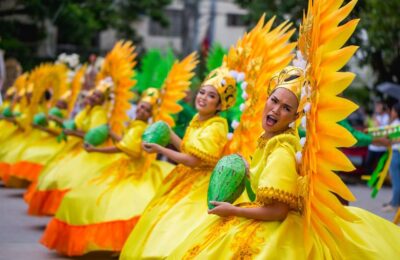
The highlight of the Agal-Agal Festival is the “Igal Ma Lan” street dancing competition. Here, performers dressed in dazzling costumes move gracefully to traditional dances such as the pangalay and lunsay. The flowing hand gestures and swaying movements mimic the rhythm of the waves and the grace of marine life, creating a performance that feels both artistic and spiritual.
Alongside the street dancing are other major events like the Budjang Tawi-Tawi beauty pageant, where young women proudly represent the elegance and intelligence of the province. Agri-trade fairs showcasing local products, parades, and cultural shows round out the celebration.
The festival is also tied closely to the Lepa Festival and the Kamahardikaan sin Tawi-Tawi, making September the most vibrant time to visit the province.
If there’s one festival that captures the essence of Tawi-Tawi, it is this. The Agal-Agal Festival is not just about seaweed—it is about identity, resilience, and unity.
Lepa Festival: Honoring the Sea Gypsies and Their Boats
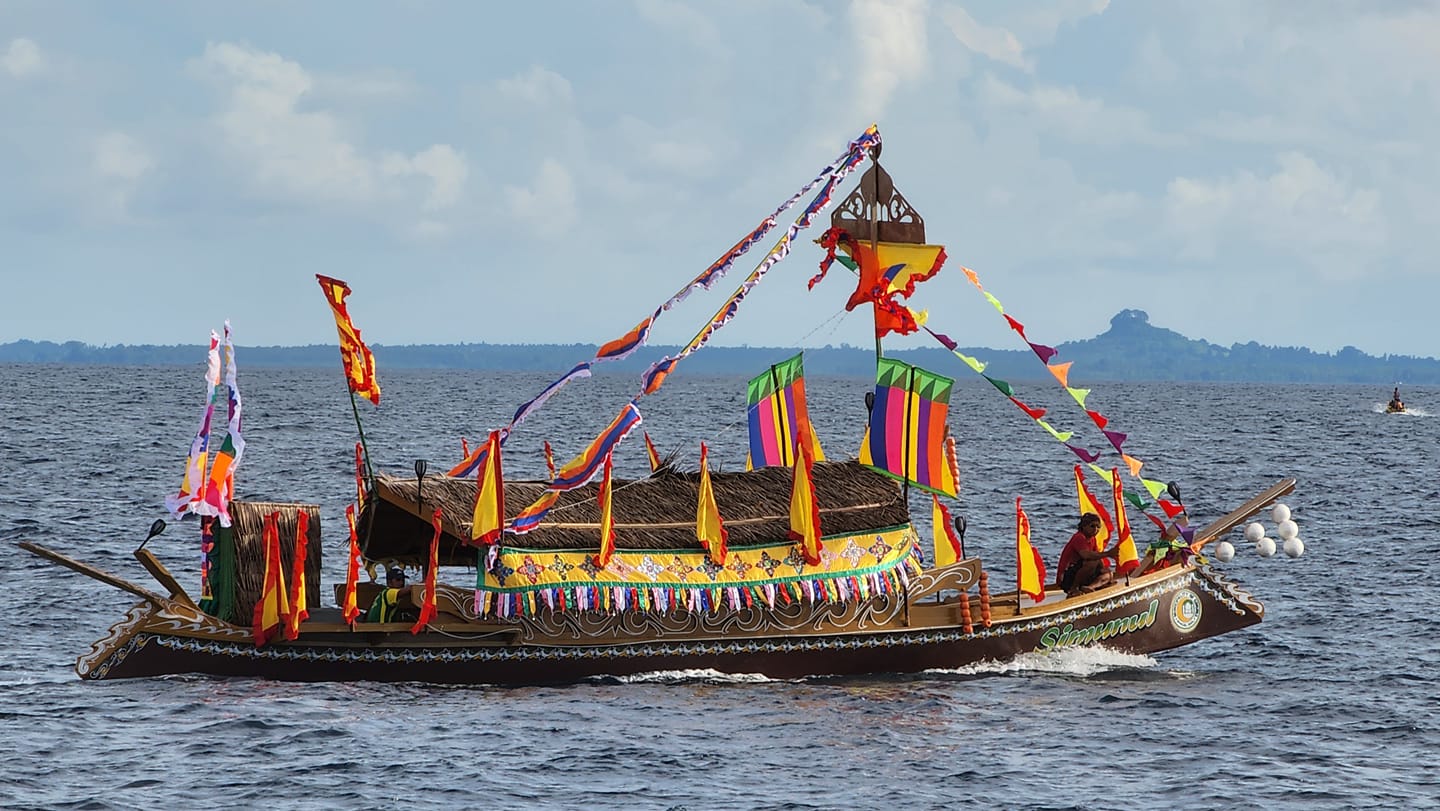
One of the most unique highlights of Tawi-Tawi’s cultural calendar is the Lepa Festival. It pays tribute to the Badjao, also known as the Sama Dilaut or “sea gypsies,” who have long lived a nomadic life on the water. For the Badjao, the lepa—their traditional wooden houseboat—was not only a mode of transportation but also a home. These boats were intricately built and decorated, reflecting both utility and artistry.

During the Lepa Festival, this seafaring heritage takes center stage. Dozens of traditional boats are adorned with colorful flags, intricate woodwork, and vibrant fabrics. They glide across the Bongao port in a stunning flotilla, creating a spectacle that feels like a moving tapestry on water. At night, many of the boats are illuminated with lights, turning the sea into a shimmering festival ground.
The Lepa Festival is more than just a visual feast. It is a way of honoring the Badjao’s identity and their deep relationship with the sea. While many Badjao communities now live on land, the festival serves as a reminder of their roots and their invaluable role in shaping Tawi-Tawi’s cultural heritage.
For visitors, the Lepa Festival is a rare opportunity to witness this maritime tradition up close. It is a celebration that tells the story of a people who have always been guided by the sea.
Kamahardikaan sin Tawi-Tawi: A Celebration of Provincehood
Every September 27, Tawi-Tawi commemorates its separation from Sulu in 1973 with the Kamahardikaan sin Tawi-Tawi. This event is the official founding anniversary of the province and serves as a day of pride and reflection.
The Kamahardikaan is often celebrated in conjunction with the Agal-Agal Festival, making it a grand occasion that blends cultural performances, parades, and community activities. The streets come alive with colorful floats, street dances, and cultural showdowns where participants showcase the artistry and traditions of their respective communities.
But beyond the revelry, the Kamahardikaan is about recognizing how far the province has come since its creation. It is a celebration of its achievements and a testament to the unity of its diverse peoples. For the people of Tawi-Tawi, it is not only a birthday but also a reaffirmation of their shared identity and aspirations.
A Fusion of Festivals and Heritage
What makes Tawi-Tawi’s festival scene truly special is how these celebrations are interconnected. The Agal-Agal, Lepa, and Kamahardikaan festivals all come together in September, creating a grand tapestry of culture, history, and livelihood. They highlight the province’s ties to the sea, honor its indigenous peoples, and celebrate its progress as a community.
Attending these festivals offers more than just entertainment. It is an immersive experience into the rhythm of life in Tawi-Tawi. The graceful dances, the decorated boats, the festive parades, and the proud displays of local culture all reveal a province that is deeply rooted in tradition yet forward-looking in spirit.
For travelers, these festivals are an invitation to go beyond the beaches and fishing villages, to see the heart of the province and the pride of its people.
Why You Should Experience Tawi-Tawi’s Festivals
Tawi-Tawi may be far from the Philippines’ usual tourist circuits, but those who make the journey are rewarded with something unforgettable. Its festivals are not only visually spectacular but also deeply meaningful. They tell the story of a people bound by the sea, proud of their traditions, and united in diversity.
By joining these celebrations, you are not just witnessing a show—you are taking part in a centuries-old narrative of resilience, faith, and artistry. You are experiencing the southern frontier of the Philippines in its most authentic and vibrant form.
So, if you ever find yourself craving a travel experience that combines natural beauty, cultural depth, and festive joy, set your sights on Tawi-Tawi in September. The Agal-Agal, Lepa, and Kamahardikaan festivals will welcome you with open arms and leave you with memories as colorful as the sails on a Badjao boat.