Iceland has always been one of those destinations that feels almost otherworldly. It’s a place where fire and ice collide, where you can see a geyser shoot boiling water into the air and, just hours later, watch a glacier calve into a lagoon. Known as the Land of Fire and Ice, this island nation is one of the most dramatic and beautiful places you could ever visit.
Every corner reveals something unique, from black sand beaches to glowing blue thermal pools, towering waterfalls, and even the dancing Northern Lights.
If you’re planning a visit, whether it’s a short stopover or a full road trip around the Ring Road, there are certain places in Iceland that simply can’t be missed. Here are some of the top tourist spots that truly capture the country’s magic.
Content
The Golden Circle
No trip to Iceland feels complete without driving the Golden Circle. This route is one of the most popular and accessible scenic drives, starting from Reykjavík and looping through some of the country’s most fascinating sites. It covers about 300 kilometers, and you can easily do it in a day, though many prefer to linger.
The first stop is Þingvellir National Park, a UNESCO World Heritage site and a place where you can actually stand between two continents. The North American and Eurasian tectonic plates are slowly pulling apart here, forming a dramatic rift valley. It’s not only a geological wonder but also a place of deep historical significance since it was the site of Iceland’s first parliament, Alþingi, established in 930 AD. Walking through Almannagjá gorge feels like stepping into a history book, and if you’re feeling adventurous, you can even snorkel or dive in the Silfra fissure, where the water is unbelievably clear.
From there, the journey continues to the Haukadalur Valley, home to the famous geysers. While the Great Geysir doesn’t erupt as often as it once did, Strokkur makes up for it by erupting every few minutes, shooting boiling water up to 20 meters in the air. Standing nearby and waiting for that sudden burst of steam and water never gets old.
The final highlight of the Golden Circle is Gullfoss, the Golden Falls. This waterfall is nothing short of breathtaking, as the Hvítá River plunges in two tiers into a rugged canyon. On sunny days, rainbows often appear in the mist, making it one of the most photographed spots in the country.
The Blue Lagoon
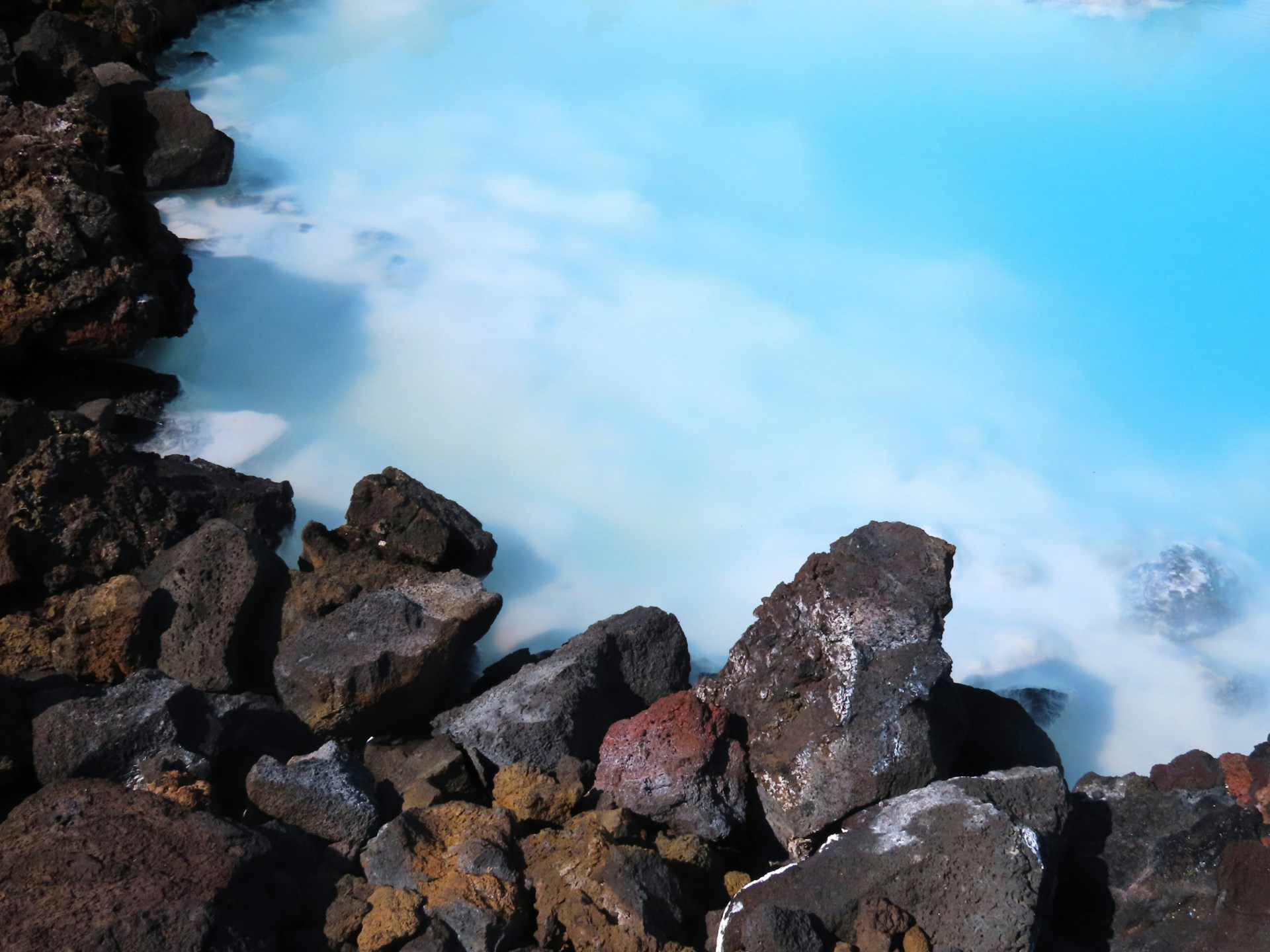
The Blue Lagoon is probably Iceland’s most iconic attraction, and for good reason. Located on the Reykjanes Peninsula, not far from Keflavík International Airport, it’s the perfect stop either right after you land or before you fly out.
What makes the Blue Lagoon so special is its milky-blue water, rich in minerals like silica and sulfur, which are said to have therapeutic benefits. The temperature hovers around 37–39 °C, so it’s warm and inviting even on a cold day. The lagoon sits in the middle of a black lava field, which only adds to its otherworldly vibe. Imagine relaxing in steaming blue water surrounded by dark volcanic rock while the crisp Icelandic air brushes your face.
Since it’s such a popular destination, tickets sell out quickly, so it’s wise to book well in advance. Many visitors plan a few hours here to soak, enjoy a face mask of white silica mud, and maybe even sip a drink from the in-water bar.
South Coast Waterfalls: Skógafoss and Seljalandsfoss
Driving along Iceland’s South Coast is an experience filled with dramatic landscapes, but the waterfalls here are some of the most spectacular. Two of the best-known are Skógafoss and Seljalandsfoss, both right off the Ring Road.
Skógafoss is massive, one of Iceland’s largest waterfalls at 60 meters high and 25 meters wide. You can walk right up to its thundering base and feel the mist on your face, or climb the 527 steps to the top for a panoramic view that stretches to the coast. On sunny days, you might even catch a rainbow arching across the falls.
Seljalandsfoss, on the other hand, offers something different. A walking path takes you directly behind the curtain of water, giving you a view from inside the cascade. It’s a magical experience, though you’ll want to bring a raincoat because you will get wet. In winter, the trail can be icy, so caution is a must, but the unique perspective is worth it.
Jökulsárlón Glacier Lagoon and Diamond Beach
Farther east along the Ring Road, you’ll come across one of Iceland’s most enchanting sights: Jökulsárlón Glacier Lagoon. This lagoon is filled with enormous icebergs that break off from Breiðamerkurjökull glacier, some of them thousands of years old. Watching these silent giants float across the deep blue water is mesmerizing, and you can even take a boat tour to get closer.
Directly across the road is Diamond Beach, where ice chunks wash ashore on the black sand, glistening like jewels under the sunlight. The contrast between the glittering ice and the dark volcanic sand creates one of the most photographed landscapes in Iceland. It’s especially beautiful at sunrise or sunset, when the colors of the sky add to the scene.
Reynisfjara Black Sand Beach
Near the village of Vík í Mýrdal lies Reynisfjara, one of the most famous black sand beaches in the world. Its dark volcanic sands, striking basalt columns, and towering sea stacks known as Reynisdrangar make it a place of dramatic beauty.
But Reynisfjara is as dangerous as it is beautiful. The waves here are notorious for their strength and unpredictability. Sneaker waves can suddenly surge far up the beach, sweeping people into the ocean. For that reason, it’s crucial to stay well back from the water and respect the warning signs. If you keep a safe distance, you’ll be able to enjoy its otherworldly beauty in safety.
The Northern Lights
For many travelers, seeing the Northern Lights is the ultimate dream, and Iceland is one of the best places in the world to witness them. The aurora borealis is caused by solar particles colliding with the Earth’s atmosphere, creating swirling patterns of green, pink, and purple light in the night sky.
The best time to catch the lights is from late September to mid-April, when nights are long and dark. To increase your chances, you’ll want to be away from city lights and hope for clear skies. There are apps and websites that track solar activity and cloud cover, helping you know when to head out. Even so, the aurora can be elusive, but when you do see it, it’s a sight you’ll never forget.
Reykjavík
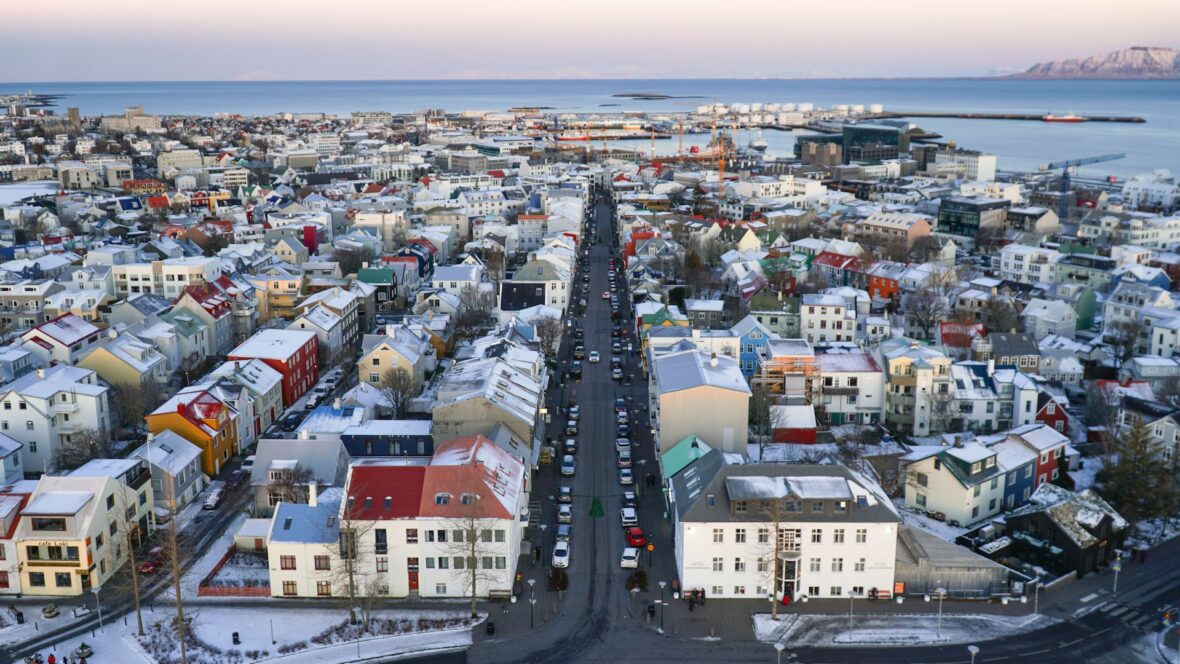
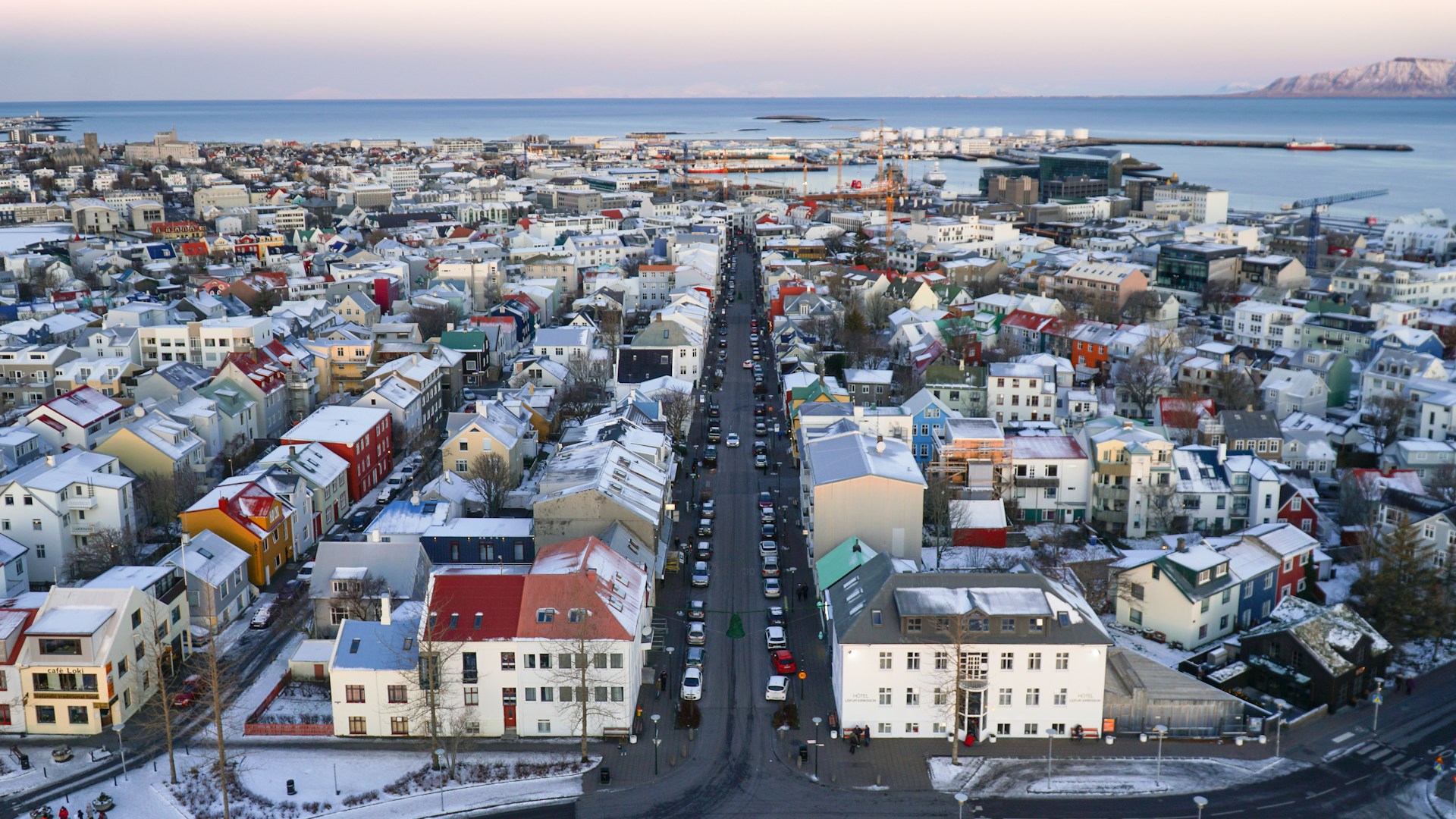
Before or after exploring Iceland’s natural wonders, take some time to enjoy Reykjavík, the country’s colorful and lively capital. Despite being small by international standards, it’s full of character.
The skyline is dominated by Hallgrímskirkja, a church inspired by basalt columns. You can climb its tower for sweeping views of the city and surrounding mountains. Down by the harbor, Harpa Concert Hall is another architectural gem with its glass façade reflecting the sea and sky.
Reykjavík is also a hub of culture, with museums, art galleries, and a thriving music scene. The city is full of cozy cafes, unique shops, and restaurants where you can try everything from traditional lamb stew to modern Nordic cuisine. Walking its streets feels relaxed and welcoming, a nice balance to the wild landscapes beyond.
A Farewell from the Island’s Edge
Iceland is not a place you just visit, it’s a place that stays with you. Every waterfall, every glacier, every stretch of lava rock tells a story of a land still being shaped by the forces of nature. From the fiery eruptions beneath the earth to the icy peaks above, Iceland is a living reminder of the planet’s raw power and beauty.
Whether you soak in the Blue Lagoon, watch the aurora dance across the sky, or stand in awe at the foot of a waterfall, you’ll leave with memories that feel almost dreamlike. That’s the magic of the Land of Fire and Ice, and it’s why so many travelers find themselves longing to return.