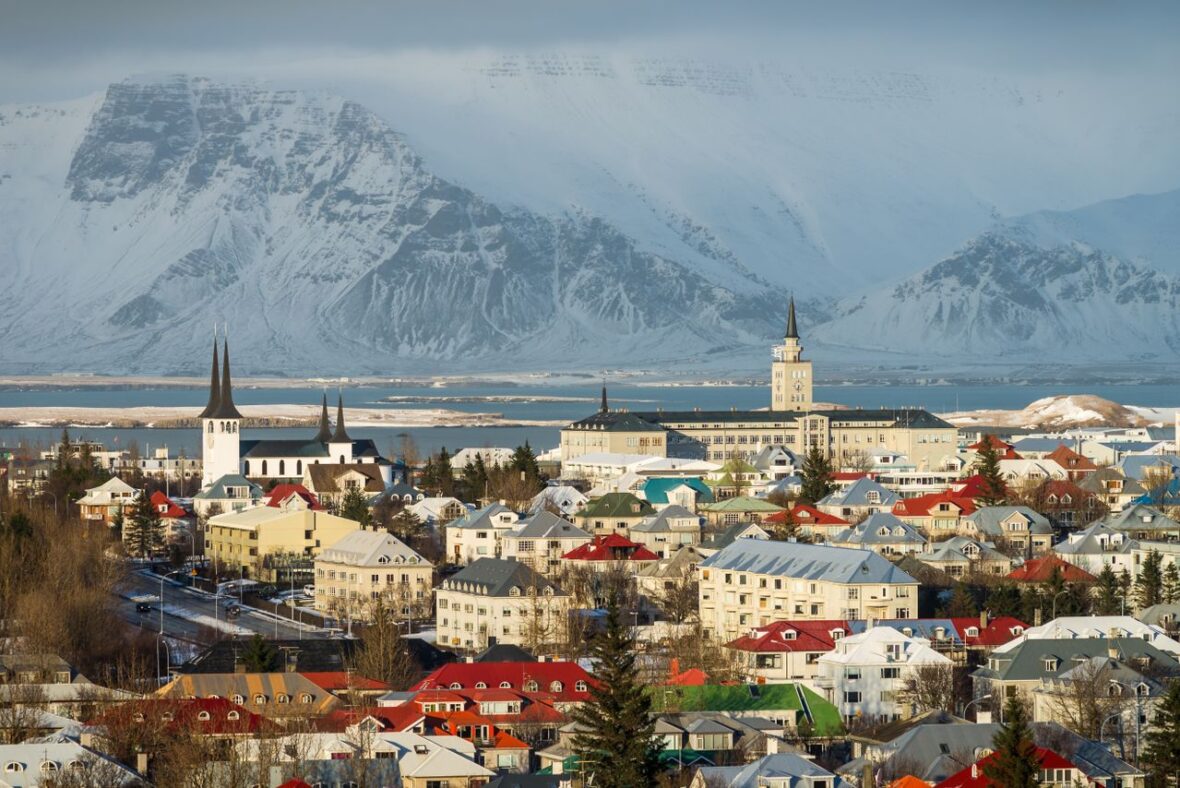
Gullfoss, the Golden Circle’s best-known waterfall, lies only about 100 km from Reykjavík. That distance shapes the whole trip. It means the most famous day out in the country fits between breakfast and dinner, and you can sleep in the same bed every night. There’s no packing up each morning and no hunting for a guesthouse on roads you’ve never driven.
The plan below uses that idea. It covers three days with Reykjavík as the base, along with straight answers to the questions first-timers ask about getting around and what to do when the weather has other ideas.
Content
Is three days enough?
Yes, as long as the capital is your base and you don’t try to cover half the island. Three days gives you an easy arrival day in the city and one full day on the Golden Circle, with the third left open to shape around the forecast.
That third day does more work than it seems to. Forecasts here can flip within hours, so an unscheduled day lets you shuffle the plan at no cost. If the Golden Circle day turns grey and gusty, move it. If it’s clear, go, and keep the city for the wetter afternoon.
Regions further from the capital will still be there for a longer trip.
How far is Keflavík?
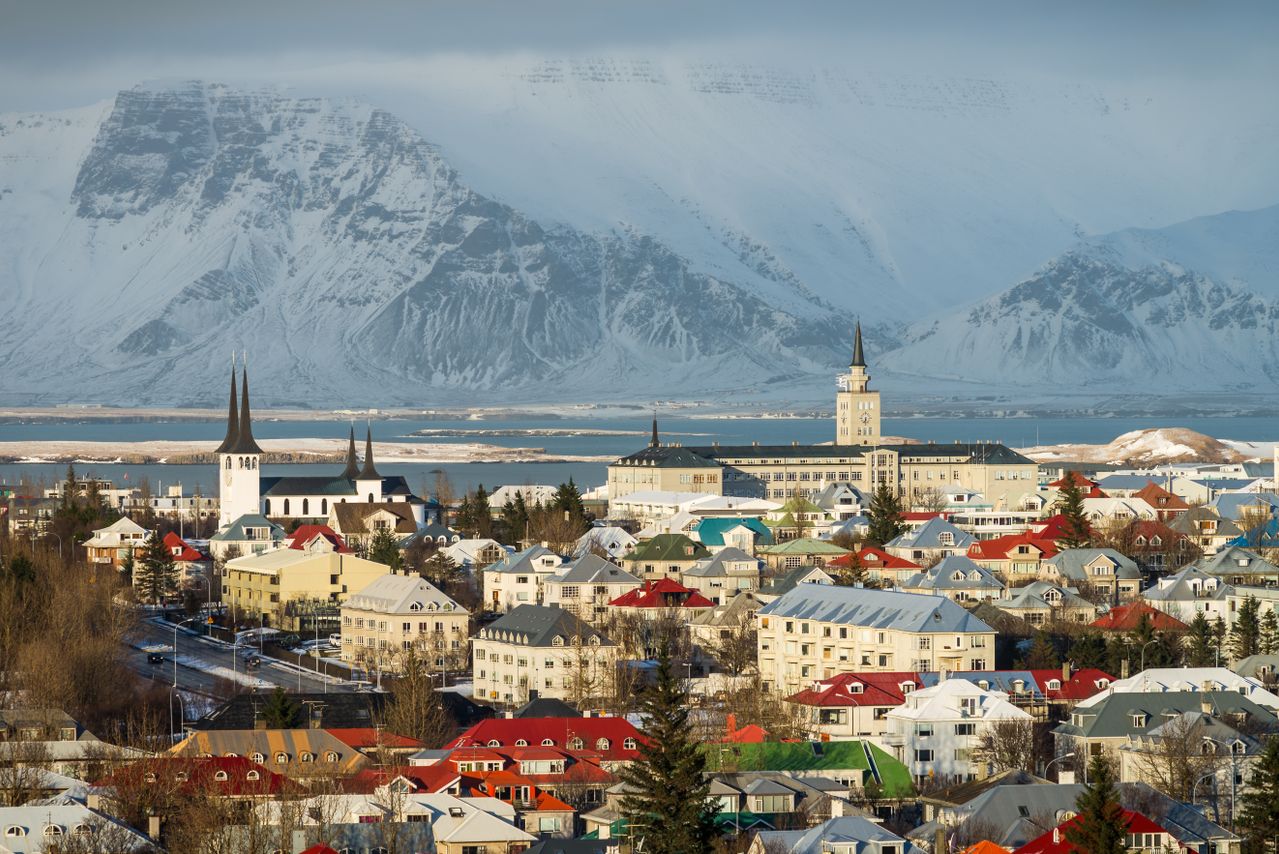
Keflavík Airport is about 40 km (25 mi) from Reykjavík. A lot of first-timers don’t realise the international airport isn’t in the city at all, so it’s worth planning the transfer before you land.
You have two easy options. Airport buses and transfers meet arriving flights and take you into town. Anyone driving can use the rental desks in the arrivals hall, where the keys can be in your hand before you leave the terminal.
Keep day one light. After an overnight flight, walking around a compact, low-rise city is about the right amount of effort. Wander the harbour, find a bakery, eat an early dinner and go to bed. Day two starts early.
What is the Golden Circle?
The Golden Circle is a loop east of the city that links Þingvellir with the geothermal area at Geysir, then finishes at Gullfoss. Most people drive it as a circuit and are back in Reykjavík by evening.
Þingvellir usually comes first. This wide, open valley of mossy lava and long fissures is at its best early, when the light is low and the paths are quiet. From there the road heads on to Geysir. The great Geysir, the one every other geyser is named after, is mostly calm these days. Its neighbour Strokkur does the performing and erupts often enough that you won’t be standing around long. Stand upwind.
Gullfoss is the turnaround point. The water tumbles in two steps into a narrow canyon, and the mist carries far enough to soak you on a dry day. After that, it’s back west to the city.
Do you need a car?
No. A car gives you extra freedom, and there are also several good ways to see the area around the capital, depending on how much you want to plan:
- A guided coach tour of the Golden Circle, where someone else handles the road and the timing and you just watch the scenery.
- A car rental Reykjavik pick-up on the morning of your day trip, which lets you set your own pace at Þingvellir and stay at Gullfoss as long as the light holds.
- A small-group or private tour, good for a mix of flexibility and local knowledge.
- A car-free third day in the city, using the pools and museums on foot.
Couples and families who like to stop on a whim usually enjoy driving. Travellers arriving tired or visiting in deep winter often find a tour more relaxing.
Which driving rules matter?
The ones that catch visitors out are speed, lights, alcohol and seat belts. Speed limits are 90 km/h on paved rural roads and 50 km/h in towns. Gravel shows up sooner than you’d expect, and the limit there is 70 km/h for good reason, because loose stones and tight bends combine badly.
Driving with headlights on is required at every hour and in every season. Seat belts are compulsory for every passenger, and that includes buses, so buckle up on a tour coach too.
Drink-driving law is strict: the blood alcohol limit is 0.05% and the lowest fine is 100,000 kr. Save the beer for the city.
There’s also an official piece of advice worth taking seriously. Officials advise against driving beyond Reykjavík without experience of isolated roads in harsh weather, as help may be far away. Roads outside the capital are often impassable in the winter months, which here run from October to April. If you’ve never driven in snow and strong wind, a winter trip is a good time to take a tour.
What should you pack?
Pack for wet and windy weather, even in July. In summer the average is about 12°C (54°F), so heat never comes into it. Autumn is rainy, and wind is a year-round companion. Wind is what turns a mild day cold at an exposed viewpoint.
Layers work better than one heavy coat. A waterproof, windproof shell and a warm mid-layer of fleece or wool form the core, with a hat and gloves in any month. Waterproof shoes with decent grip will deal with wet paths at Þingvellir and spray at Gullfoss. Add a swimsuit too. Geothermal pools are part of everyday life in Reykjavík, and a soak is one of the best things to do on a cold evening.
What if plans change?
Use the spare day. That’s what it’s for. If roads close or the forecast turns, push the Golden Circle back and spend the bad day in the city, where a wet afternoon is easy to fill.
If you’re driving, carry extra food and water, and before you set out, note where the guesthouses and hotels are along your route. When a road shuts behind or ahead of you, knowing there’s a bed twenty minutes away makes it a delay instead of a crisis. Turn back earlier than feels necessary. The scenery doesn’t go anywhere, and the next day is often calmer.
What should you do first?
First, decide whether you’ll drive or join a tour, based on the season and how comfortable you are with gravel and wind. That one choice determines most of your bookings.
Second, sort out the airport arrival. Either book the transfer into town or reserve the car you’ll collect in the arrivals hall at Keflavík.
Third, check the forecast and road conditions on the evening of day one and decide which day goes to the Golden Circle. Pack the snacks and layers the night before.