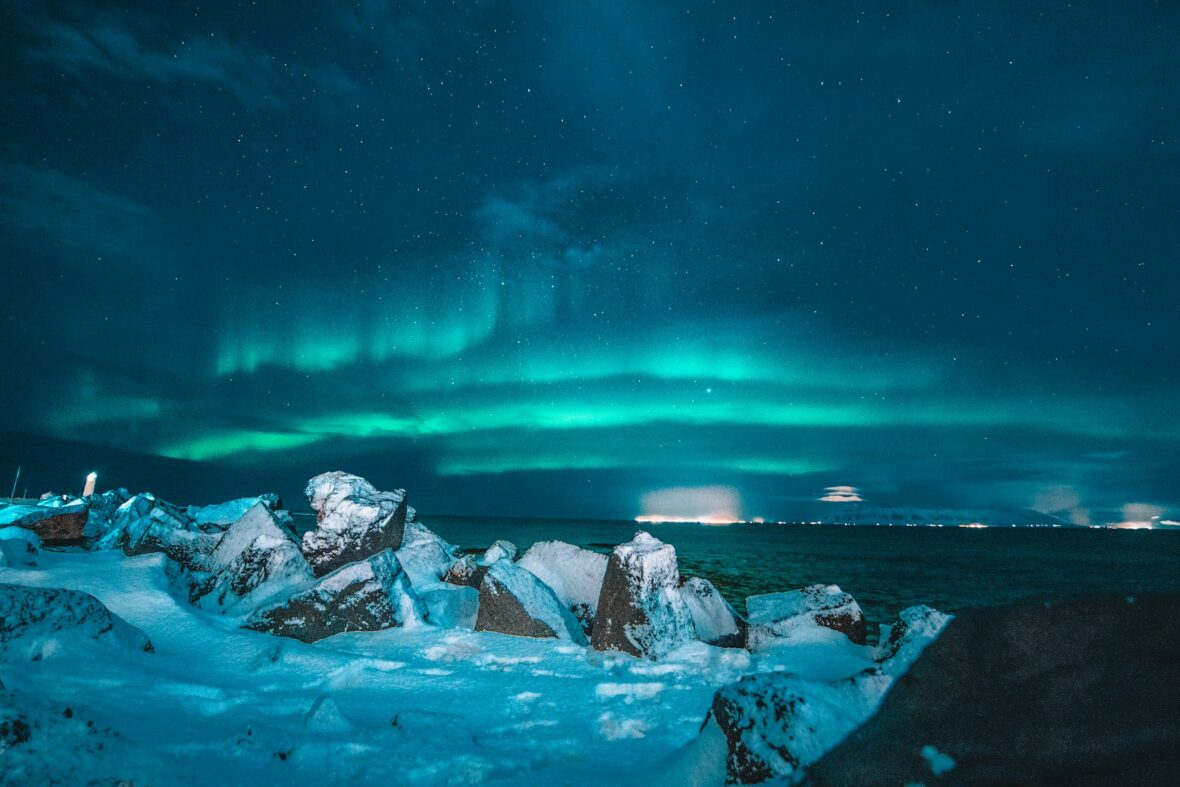
Yes, Iceland is worth visiting in Northern Lights season, provided the trip is built around flexibility rather than a fixed list of sights. The aurora can be spectacular, but the season asks for a lot in return: short days and a road map that shrinks once winter sets in.
Whether that trade is a good one depends less on Iceland than on the traveller: someone with loose evenings and modest sightseeing goals will probably come home happy, while someone hoping to see the whole country in a week may not.
Content
What do the lights need to show up?
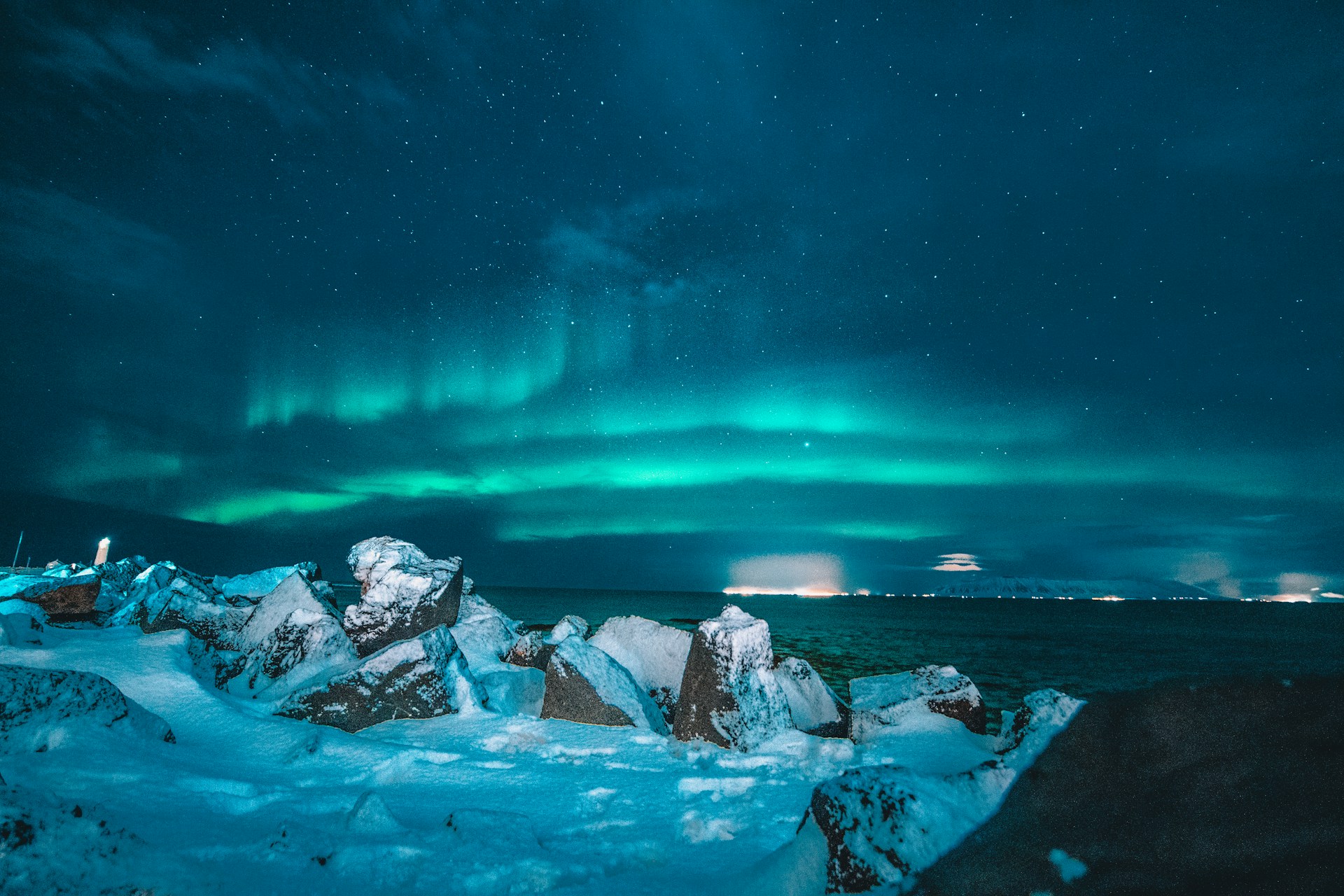
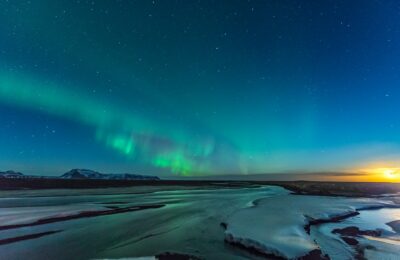
Three conditions have to line up, and none of them can be booked in advance. A dark, clear sky is half of it, and the other half is a sun active enough to light up the upper atmosphere. From September to April the aurora is possible across Iceland, provided viewers leave the city glow behind and the sky and the sun play along.
Darkness is the easy part, since the nights are long enough from September onward and plentiful by midwinter.
Clear skies are the real gamble. Iceland’s weather moves in quickly off the Atlantic, and a cloud deck can sit over one valley while the next fjord is perfectly clear. That’s why the people who see the lights most often tend to watch the cloud forecast more closely than the aurora forecast, and they keep a car or a tour booking that allows them to move toward the clear patch. Solar activity matters too, but a strong forecast under thick cloud produces nothing at all, while a modest one under a clean sky can still put a pale green arc over the horizon.
Light pollution is the last factor. The glow from a single village can blot out a faint display, while a lay-by or farm track a few minutes’ drive away often restores it.
Late January: short days and a white landscape
In late January the sun is up for only about six hours, rising mid-morning and setting in the afternoon. That’s enough for one solid outing a day, and not much more. The sun stays low the whole time, so the light is soft and golden for hours, which photographers tend to love and drivers tend to find tiring, since there’s a lot of glare off wet roads and snow.
The landscape is the season’s big payoff after the lights themselves. Lava fields and black beaches look completely different under snow, and familiar postcard views become something new. Waterfalls framed by ice draw a lot of winter visitors, and with good reason.
The practical effect of short days is simple: driving should happen in daylight wherever possible, sightseeing plans should be cut roughly in half compared with summer, and evenings become the time for watching the sky.
Wind, rain and the roads that close
Wind is the constant. It blows in every season, and in winter it combines with snow and ice to make walking near cliffs or on exposed beaches hard work, and occasionally unsafe. Autumn brings its own problem: rainy days are common, and a week of grey drizzle in October can hide the aurora entirely even when solar activity is high.
Roads are the bigger structural issue. Once October arrives, a good share of the roads beyond the capital region stop being drivable, and some well-known sites stay out of reach until April. The ones most often off the table include:
- the highland interior and the routes that cross it
- mountain roads in the more remote north and east
- hiking trails that climb above the lowlands
- viewpoints and canyons reached by unploughed tracks
What remains open is still a lot, mostly along the coast and in the lowland south and west. But a winter itinerary has to be built from what’s accessible, and it should leave room for a day lost to a storm closure.
How does winter compare with a cool summer?
Even midsummer stays mild rather than hot, with temperatures hovering near 12°C (54°F). Anyone expecting warm hiking weather in July will still be packing a fleece and a waterproof shell. The upside is everything winter takes away: long days and open roads, with the interior and its trails reachable again after being buried for half the year. What summer can’t offer is the aurora, because the nights are too bright for it, which is why the viewing window starts in September.
So the two seasons suit different trips. Summer is better for covering ground and hiking the full range of the country. Winter is better for atmosphere: snow, low light, quiet evenings and the chance of a display overhead. September and early October sit in between, with darker nights arriving while more roads are still passable, though autumn rain can make clear nights harder to find.
Who should go in Northern Lights season
Winter makes sense for travellers who rank the aurora near the top of their list and are relaxed about not seeing it every night. It suits people happy to base themselves in one or two places, take a single daytime excursion and spend evenings watching the forecast. Photographers drawn to snow and low sun will get plenty out of it, as will anyone who finds a quiet, dark landscape appealing in its own right.
Travellers who want to follow clear skies from one night to the next will find that a camper van rental Iceland makes that easy to do, since the bed and the heater travel along, and any dark pull-off away from town becomes the viewing spot for the evening. Waking up already parked somewhere scenic also stretches those short daylight hours a little further.
Summer is the better choice for first-time visitors set on driving the whole country and for hikers who want the highlands. It also suits families with small children, who would struggle with long dark evenings and cold waits outdoors. Iceland will still be there in winter for a second trip.
Can the Northern Lights be seen from Reykjavik?
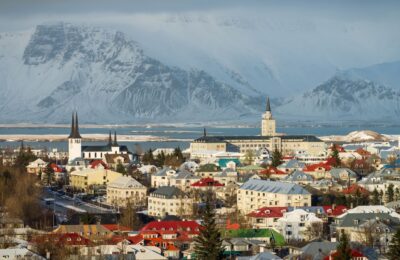
Sometimes, during strong displays, but city lights wash out most of them. A short drive out of town to a dark spot gives much better odds.
Is September a good compromise between the seasons?
It can be. The nights are dark enough for the aurora while more of the country is still open, though rain is common, so clear nights aren’t guaranteed.
How many nights should a Northern Lights trip include?
Enough to ride out a few cloudy evenings. Because clear skies and solar activity both have to cooperate, a longer stay with flexible evenings improves the chances far more than any single well-chosen night.