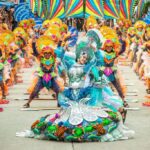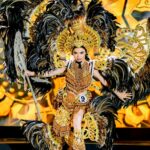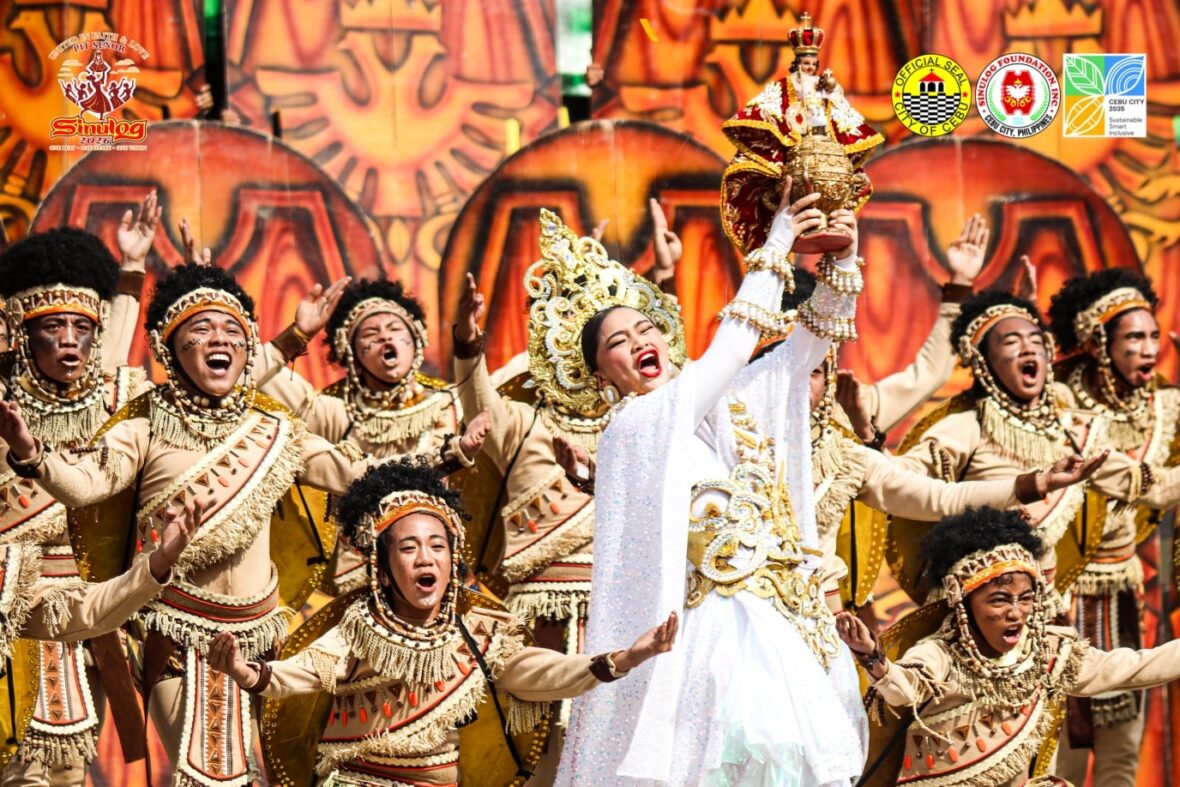
Cebu is often called the Festival Capital of the Philippines, and once you spend time on the island, it is easy to understand why.
In Cebu, celebrations are not limited to one season or one city. They happen all year long, in big urban streets and in small rural towns, by the sea and in the mountains. Every festival carries a story of faith, survival, gratitude, and pride.
For Cebuanos, festivals are not just spectacles meant to entertain. They are deeply personal. They are offerings, memories passed down through generations, and a way for communities to say thank you for blessings received.
If you are the kind of traveler who loves culture and meaning just as much as color and music, Cebu is a place that will keep surprising you.
Here is a closer look at the best festivals in Cebu and what makes each one special.
Three festivals define Cebu on a national and even global scale. These are the celebrations that people plan trips around and talk about long after they are over.
Content
Sinulog Festival in Cebu City
When: Third Sunday of January
Sinulog is the heart and soul of Cebu’s festival scene. It is loud, emotional, crowded, and unforgettable. At its core, Sinulog honors the Señor Santo Niño, the Child Jesus, who holds deep religious significance for Cebuanos.
The word sinulog comes from sulog, which means water current. This is reflected in the dance steps, which move two steps forward and one step back, mimicking the flow of a river. You will hear drums echoing through the streets, chants of “Pit Señor” rising above the noise, and prayers whispered amid the chaos.
Sinulog is not just one event. It unfolds over several days with religious processions, street parties, cultural shows, and a grand parade that draws millions of people. It can feel overwhelming, but it is also incredibly moving. Even first time visitors often find themselves caught up in the emotion of it all. CHECK THE BEST HOTELS IN CEBU
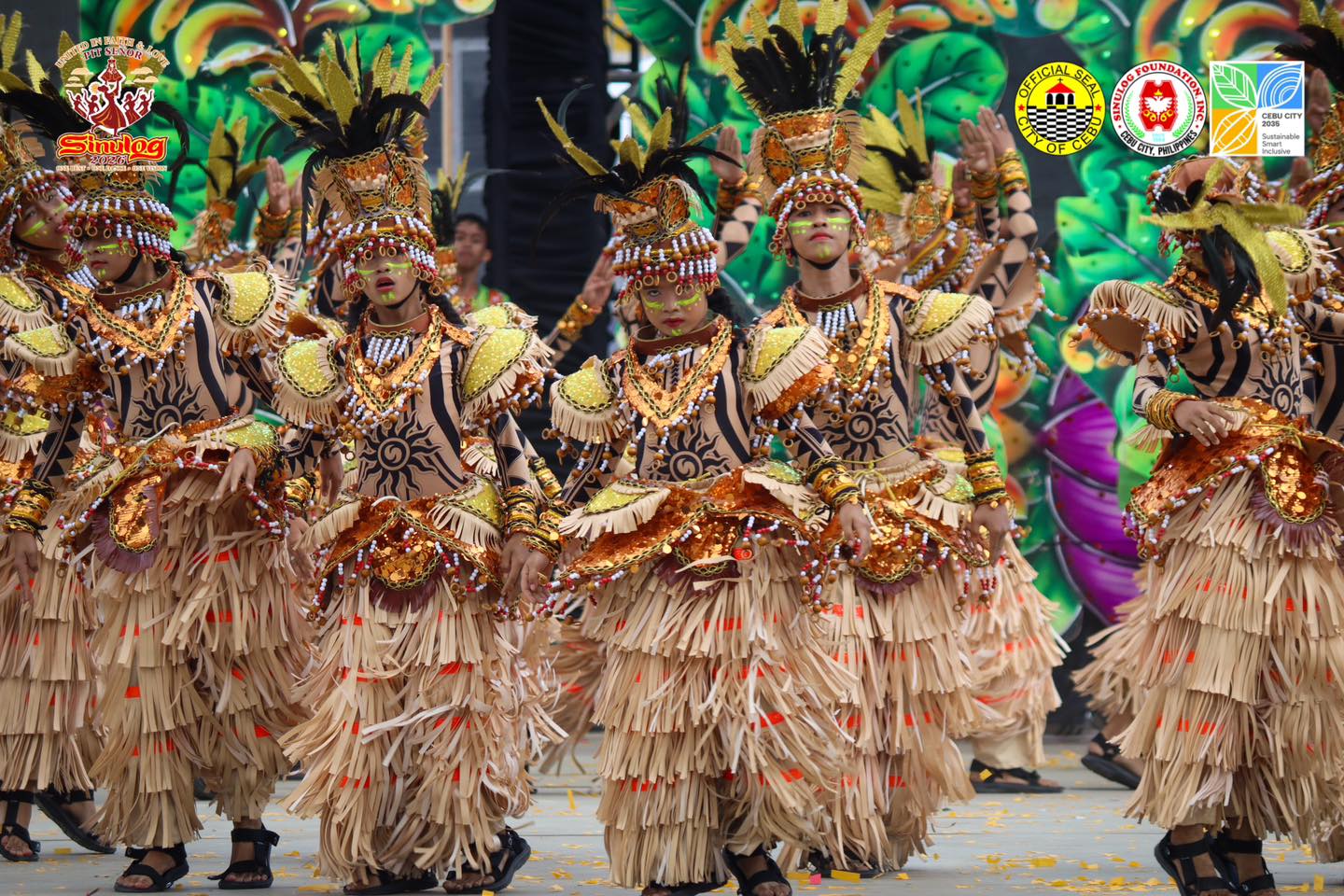
Kadaugan sa Mactan in Lapu Lapu City
When: April 27
Kadaugan sa Mactan is very different from Sinulog, yet just as powerful. This festival commemorates the Battle of Mactan in 1521, when the local hero Lapulapu defeated Ferdinand Magellan.
Instead of a street parade, the highlight is a dramatic reenactment held by the shore. Actors portray warriors, soldiers, and historical figures in a beachside performance that brings history to life. The atmosphere is intense and proud, reminding viewers of Cebu’s role in resisting colonization.
This festival is a celebration of bravery and independence. It speaks to Cebu’s strong sense of identity and respect for its heroes. CHECK THE BEST HOTELS IN CEBU
Pasigarbo sa Sugbo
When: Late August
Pasigarbo sa Sugbo is often called the Festival of Festivals, and for good reason. Organized by the provincial government, it brings together more than 50 contingents from different towns and cities across Cebu.
Each group showcases its own local festival through dance, music, and costume. Watching Pasigarbo feels like traveling across the entire province in one day. From mountain towns to fishing villages, every community brings its story to the stage.
If you want a broad introduction to Cebuano culture, Pasigarbo is the perfect event. It shows how diverse the island really is. CHECK THE BEST HOTELS IN CEBU
The first few months of the year are filled with festivals that celebrate origins, food, and daily life.
Tagbo Festival in Poro, Camotes Islands
When: January 19
Tagbo means meeting, and this festival commemorates the founding of the town through the meeting of two once warring tribes. The dances focus on unity and peace, reminding people that community is built through understanding.
Budbod Kabog Festival in Catmon
When: February 10
This festival celebrates budbod kabog, a sticky rice cake made from millet seeds. Dancers move in ways that reflect the pounding and preparation of the grain. It is a creative way of honoring both food and labor. CHECK THE BEST HOTELS IN CEBU
Sarok Festival in Consolacion
When: February 14
The sarok is a traditional farmer’s hat, and it takes center stage in this festival. Performers use the hats in their choreography, highlighting the town’s agricultural roots and respect for farmers.
Utanon Festival in Dalaguete
When: February
Dalaguete is known as the Vegetable Basket of Cebu, and this harvest festival shows just how proud the town is of that title. Dancers dress as carrots, cabbages, and other vegetables in a joyful thanksgiving for a good harvest.
As the year moves on, festivals take on deeper spiritual and historical themes.
Soli Soli Festival in San Francisco, Camotes
When: March 18
This festival honors the soli soli grass found around Lake Danao. Locals use it for weaving mats and bags, and the festival celebrates craftsmanship and resourcefulness.
Sugat Kabanhawan in Minglanilla
When: Easter Sunday
Known as the Easter Capital of Cebu, Minglanilla hosts a grand reenactment of the Resurrection. Angels appear suspended in the air, dancers fill the streets, and the entire town joins in celebrating new life and hope.
Rosquillos Festival in Liloan
When: May
Rosquillos are ring shaped cookies that have become a Cebuano favorite. This festival includes baking contests and dances inspired by the cookie’s shape. It is lighthearted and fun, with a strong sense of local pride.
Gabii sa Kabilin in Cebu City
When: Last Friday of May
Gabii sa Kabilin, or Night of Heritage, is a quieter but deeply meaningful event. Museums and heritage sites stay open until midnight, offering tours, performances, and talks. It is perfect for travelers who enjoy history and culture at a slower pace.
Mid year festivals often reflect Cebu’s relationship with nature and its past.
Hinulawan Festival in Toledo City
When: June 12
Hinulawan refers to the river where gold was once panned. This festival honors Toledo’s golden history while promoting environmental care and sustainability.
Palawod Festival in Bantayan Island
When: Last week of June
Palawod means to go out to sea. This festival pays tribute to fisherfolk and the fishing industry. The dances show daily life on the water and the risks and rewards of life at sea.
Siloy Festival in Alcoy
When: August 23
This eco cultural festival is dedicated to the Black Shama, or Siloy, an endangered bird found only in Alcoy. It combines art and environmental advocacy, reminding people of their responsibility to protect wildlife.
Karansa Festival in Danao City
When: Third Sunday of September
Karansa is a joyful dance of thanksgiving. The festival is linked to Danao’s pottery heritage and focuses on creativity, movement, and celebration.
As the year winds down, festivals become brighter and more festive.
Halad Inasal Festival in Talisay City
When: October 14 to 15
This festival honors Talisay’s famous lechon. Roast pigs appear on parade floats dressed in costumes. It is playful, festive, and a celebration of Cebu’s food culture.
Kabkaban Festival in Carcar City
When: November 24 to 25
Named after a local fern, this festival highlights Carcar’s Spanish era architecture and culinary heritage, especially its well loved chicharon.
Dagitab Festival in the City of Naga
When: December 23
Dagitab means spark, and this Festival of Lights celebrates the city’s role as a power provider. Dancers wear glowing costumes, filling the streets with color and light just before Christmas.
Why Cebu festivals feel different
What truly sets Cebuano festivals apart is sincerity. These celebrations are rooted in faith, gratitude, and community. Most are tied to fiestas honoring patron saints, and each one feels like a collective offering.
No matter when you visit Cebu, there is almost always a festival happening somewhere. Each town opens a small window into the island’s soul. In Cebu, celebration is not an event. It is a way of life.

Questions: Festivals in Cebu
1. Why is Cebu called the Festival Capital of the Philippines?
Cebu earns this title because festivals happen all year round across the province. Almost every town has its own celebration tied to faith, history, nature, or local industry. No matter what month you visit, there is usually a festival happening somewhere on the island.
2. Which Cebu festival should first time visitors experience?
For first timers, Sinulog Festival in January is the most iconic. It captures Cebu’s deep devotion to the Santo Niño and its love for music and street celebrations. If you prefer something less crowded but still rich in culture, Pasigarbo sa Sugbo is a great way to see many local festivals in one event.
3. Are Cebu festivals only about street dancing and parades?
Not at all. While dancing is a big part of many festivals, these celebrations also include religious processions, historical reenactments, food fairs, heritage tours, and community gatherings. Each festival reflects what matters most to the town hosting it.
4. Do I need to plan my trip around a specific festival?
You can, but you do not have to. Planning around major festivals like Sinulog or Kadaugan sa Mactan can be exciting, but even spontaneous trips often line up with smaller town fiestas. Cebu’s festival calendar is so full that something meaningful is almost always happening.
5. What mindset should travelers have when attending Cebu festivals?
Come with respect and curiosity. These festivals are not just performances but expressions of gratitude and faith. Take time to observe, join when invited, and appreciate the stories behind the dances. The experience becomes more rewarding when you slow down and connect with the community.