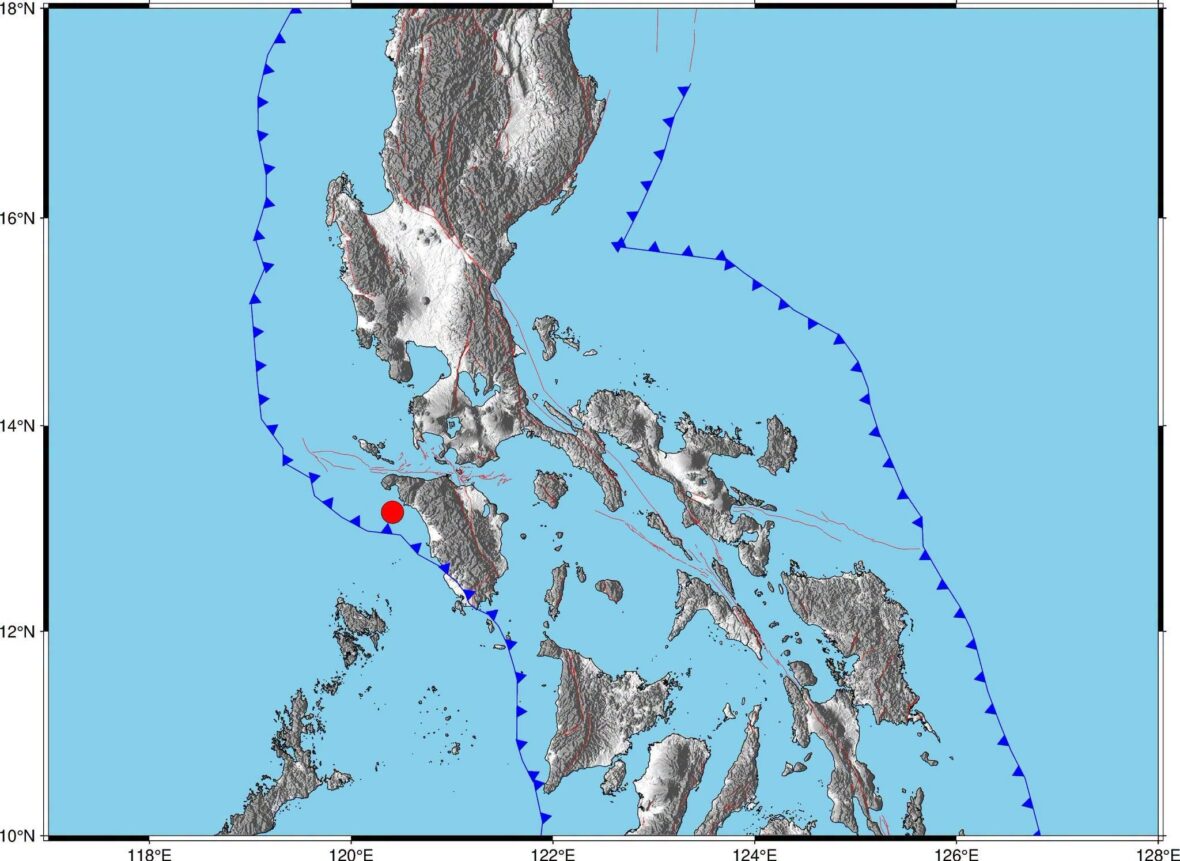
Residents of Occidental Mindoro and nearby areas experienced a strong reminder of the Philippines’ earthquake risk on Friday morning after a magnitude 5.8 earthquake struck near Mamburao.
The earthquake happened at 10:38 a.m. on August 7, 2026. According to the Philippine Institute of Volcanology and Seismology or PHIVOLCS, the tremor was tectonic in origin and had a depth of approximately 10 kilometers. PHIVOLCS also warned that aftershocks could follow.
Because the information was released shortly after the earthquake, assessments from local authorities were still developing at the time this article was written. Residents should continue checking official announcements for updated intensity reports, structural assessments, possible class or work suspensions, and other safety instructions.
Content
Occidental Mindoro earthquake quick facts
Here are the initial details released about the earthquake:
- Date: August 7, 2026
- Time: 10:38 a.m.
- Magnitude: 5.8
- Location: Near Mamburao, Occidental Mindoro
- Depth: Approximately 10 kilometers
- Origin: Tectonic
- Expected aftershocks: Yes
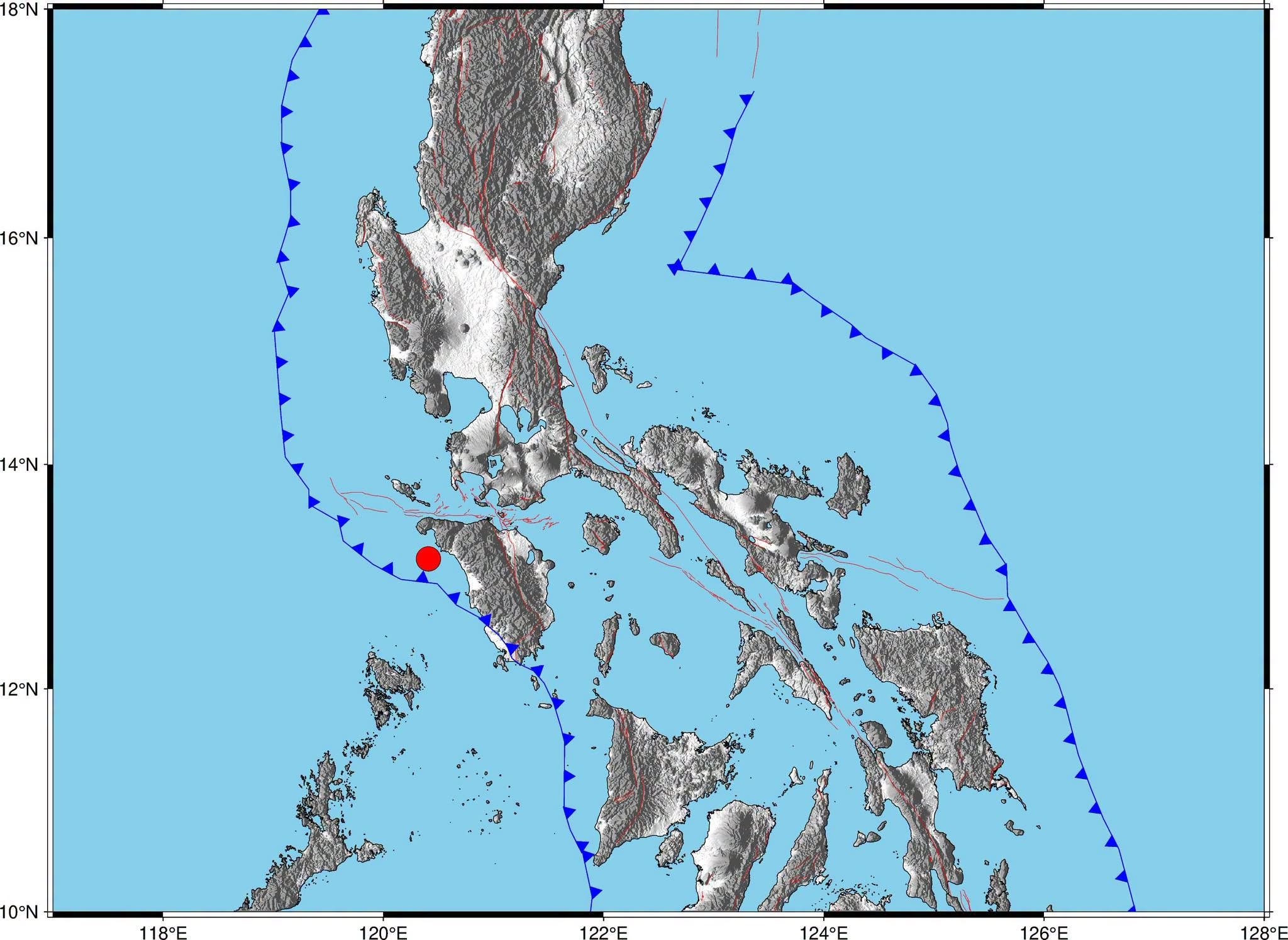
Initial location data placed the earthquake approximately 21 kilometers southwest of Mamburao.
PHIVOLCS determines earthquake locations, magnitudes and depths using information collected by the Philippine Seismic Network. The agency may revise some figures as more data from monitoring stations become available, so the latest official bulletin should always be treated as the primary reference.
What happened in Mamburao?
The magnitude 5.8 earthquake struck during the late morning, when many people were already inside offices, schools, homes and commercial establishments.
A magnitude 5.8 earthquake can produce noticeable shaking over a relatively wide area, especially when the earthquake is shallow. However, the actual experience can be different from one municipality to another.
Someone near the epicenter may experience stronger movement, while another person farther away may only notice hanging objects swaying or windows rattling. People on the upper floors of buildings may also feel the shaking more noticeably than those at ground level.
The strength of the shaking in a particular location does not depend on magnitude alone. Distance from the source, soil conditions, building design, elevation and the depth of the earthquake can all influence what people experience.
PHIVOLCS explains that earthquake shaking is generally stronger closer to the epicenter and becomes weaker with distance. Strong shaking may damage buildings, topple unsecured objects and trigger secondary hazards such as landslides or liquefaction in susceptible areas.
What does “tectonic earthquake” mean?
PHIVOLCS classified the Mamburao earthquake as tectonic.
A tectonic earthquake happens when accumulated stress within the Earth’s crust is released through movement along a fault, plate boundary or another geological structure.
This is different from a volcanic earthquake, which is associated with the movement of magma or other volcanic processes.
The word “tectonic” does not automatically mean that an earthquake will be destructive. It simply describes the process that produced it. The possible impact still depends on the earthquake’s magnitude, depth, location and the vulnerability of the affected communities.
Why does the 10-kilometer depth matter?
The earthquake had an initial reported depth of around 10 kilometers, making it a relatively shallow event.
Shallow earthquakes can sometimes produce more noticeable surface shaking than deeper earthquakes of a similar magnitude because the seismic energy has a shorter distance to travel before reaching the ground.
However, depth alone cannot tell us whether serious damage occurred. A shallow earthquake located away from densely populated communities may have fewer consequences than a deeper earthquake directly beneath an urban area.
Building quality also matters. A properly designed and maintained structure may withstand shaking better than an older building with weakened walls, unapproved renovations or previous structural damage.
This is why inspections after an earthquake are important, particularly for schools, hospitals, government buildings, hotels, shopping centers and older houses.
Magnitude and intensity are not the same
Magnitude and intensity are often used interchangeably in everyday conversations, but they describe two different things.
Magnitude measures the energy released by the earthquake at its source. The August 7 earthquake had a reported magnitude of 5.8. An earthquake has one magnitude value, although agencies may revise the initial estimate after analyzing more data.
Intensity, on the other hand, describes how strongly the earthquake was felt and what effects it produced in a particular place. One earthquake can have several intensity levels because communities experience different amounts of shaking.
For example, an area near the epicenter may report stronger intensity, while a distant city may experience only weak movement.
PHIVOLCS uses the Philippine Earthquake Intensity Scale, which ranges from Intensity I, or scarcely perceptible, to Intensity X, which is completely devastating. At Intensity IV, shaking is considered moderately strong, with windows, doors and dishes possibly rattling. At higher intensities, unsecured objects may fall and poorly built structures may begin sustaining damage.
Intensity reports may come from residents, local disaster offices and instruments installed in different locations. This explains why detailed intensity information is sometimes released later than the initial magnitude bulletin.
Are aftershocks expected?
Yes. PHIVOLCS said aftershocks may follow the magnitude 5.8 earthquake.
Aftershocks are earthquakes that occur in the same general area following the main earthquake. They happen as the surrounding rocks and fault system adjust to the changes in stress caused by the initial movement.
Most aftershocks are weaker than the main earthquake, but some can still be felt. They may happen minutes, hours, days or even longer after the original tremor.
This does not mean that every small vibration is necessarily an aftershock. Heavy vehicles, construction activities and other sources can sometimes create similar sensations. Official PHIVOLCS records are the best way to confirm whether another earthquake occurred.
It is also important to remember that scientists cannot predict the exact date, time and magnitude of a future earthquake. Be careful with social-media posts claiming that a stronger quake will definitely occur at a particular hour. PHIVOLCS emphasizes preparedness rather than relying on unverified earthquake predictions.
Were there reports of damage or injuries?
The first widely available bulletin focused on the earthquake’s magnitude, location, depth, origin and expected aftershocks.
Detailed reports regarding damage, injuries and the intensities recorded in different municipalities were still emerging at the time of writing. The absence of an immediate damage report should not automatically be interpreted as confirmation that no damage occurred.
Local governments normally need time to inspect:
- Public schools and government offices
- Hospitals and health centers
- Roads, bridges and ports
- Power and communication facilities
- Houses and commercial buildings
- Slopes vulnerable to rockfalls or landslides
Hairline cracks are not always signs of serious structural failure, but new or expanding cracks should not be ignored. Property owners should avoid entering a visibly damaged building until it has been assessed by a qualified engineer or the appropriate local authority.
What to do when an aftershock happens
The most important thing is to protect yourself from falling objects and collapsing materials.
Duck, cover and hold
PHIVOLCS recommends the Duck or Drop, Cover and Hold procedure during strong shaking:
- Duck or drop to the ground so the movement does not knock you over.
- Cover your head and neck beneath a sturdy table or desk.
- Hold onto your shelter until the shaking stops.
Stay away from windows, glass panels, tall cabinets, hanging fixtures and heavy objects that may fall.
Do not immediately run outside
Many injuries happen when people panic, rush toward exits or are struck by falling glass and concrete.
When you are inside a relatively safe building, protect yourself first and wait for the shaking to stop before evacuating. Use the stairs rather than elevators because power interruptions or building damage may cause elevators to malfunction.
When you are outdoors
Move away from buildings, electrical lines, posts, trees, billboards and other objects that may fall.
Look for a clear, open area. Be aware of broken glass and debris on streets and sidewalks.
When you are driving
Slow down carefully and stop in a safe place away from bridges, tunnels, overpasses, power lines and steep slopes.
Remain inside the vehicle until the shaking stops. Do not suddenly brake in the middle of fast-moving traffic unless there is an immediate danger.
When you are near a mountain or steep slope
Be alert for falling rocks, soil movement and landslides. Earthquake shaking can weaken already saturated slopes, especially during periods of heavy rain.
Move away from the base of cliffs and visibly unstable slopes whenever it is safe to do so.
What to check after the shaking stops
Once the immediate danger has passed, check yourself and the people around you for injuries.
Do not move a seriously injured person unless the surrounding area is unsafe. Call the local emergency hotline or seek help from trained responders when necessary.
Inside the house, carefully check for:
- Gas leaks or unusual odors
- Damaged electrical wiring
- Broken water pipes
- Fallen appliances and furniture
- Cracks in columns, beams and load-bearing walls
- Doors or windows that suddenly no longer open properly
- Pieces of concrete falling from ceilings or walls
Turn off electricity or gas only when there is evidence of damage and you can do so safely. Avoid lighting candles when a gas leak may be present.
Wear closed shoes before walking through an affected area because broken glass and sharp debris may be scattered on the floor.
Should coastal residents worry about a tsunami?
An offshore earthquake does not automatically produce a destructive tsunami.
PHIVOLCS explains that tsunamis are commonly generated by undersea earthquakes, but their formation depends on factors such as the earthquake’s magnitude, depth, mechanism and whether the seafloor was displaced.
Residents should wait for official PHIVOLCS and local government advisories rather than assuming that every offshore earthquake will cause a tsunami.
However, people near the coast should know the natural warning signs:
- Very strong or unusually long ground shaking
- A sudden rise or withdrawal of seawater
- A loud, unusual roaring sound from the sea
When these warning signs are observed, do not wait for a social-media post. Move immediately toward higher ground or farther inland and follow established evacuation routes.
For the August 7 Mamburao earthquake, residents should rely on the latest official tsunami information rather than forwarded messages or speculation.
Advice for travelers in Occidental Mindoro
Travelers staying in Mamburao, Sablayan, Abra de Ilog, Paluan and other nearby destinations should remain calm but alert.
Ask your hotel, resort or accommodation whether the building has been inspected if you noticed strong shaking or visible damage. Familiarize yourself with the property’s emergency exits and assembly area.
Passengers with ferry or bus trips should check directly with their transport operator before going to the terminal. An earthquake does not automatically mean that all services will be suspended, but port, road and facility inspections may cause delays.
Avoid entering damaged tourist attractions, old buildings or structures temporarily closed by authorities. Do not cross barriers simply to take photographs or videos.
Travelers visiting beaches should also identify the nearest route toward higher ground. Knowing where to go before an emergency is much better than trying to search for directions while everyone is evacuating.
How to prepare for possible aftershocks
You do not need to panic or sleep outside simply because aftershocks are expected. Instead, take practical precautions.
Prepare a small emergency bag containing:
- Drinking water
- Ready-to-eat food
- Flashlight and spare batteries
- Power bank and charging cable
- First-aid supplies
- Essential medicines
- Whistle
- Copies of identification documents
- Face masks and hygiene items
- A small amount of cash
- Battery-powered radio, when available
Keep shoes, a flashlight and your phone within reach, especially at night.
Move heavy or breakable objects away from beds and seating areas. Secure cabinets and appliances that could topple. Know how to switch off your home’s electricity, water and gas supply.
Families should agree on an outdoor meeting place in case members become separated. Children should know the names and phone numbers of trusted adults they can contact during an emergency.
Be careful with earthquake misinformation
Earthquakes often generate misleading posts, old videos and recycled photographs.
Before sharing an update, check:
- Whether the post came from PHIVOLCS, the Office of Civil Defense or a verified local government account
- Whether the date and location match the current earthquake
- Whether the photograph or video came from a previous disaster
- Whether the claim is also being reported by credible news organizations
- Whether the announcement has already been corrected or updated
A dramatic caption is not proof that a building collapsed or that another earthquake is about to occur.
False warnings can create unnecessary panic and distract emergency personnel from verified reports. Share official information rather than predictions, rumors or screenshots with no visible source.
Frequently asked questions
How strong was the Occidental Mindoro earthquake?
PHIVOLCS initially measured the earthquake at magnitude 5.8.
What time did it happen?
It occurred at approximately 10:38 a.m. on Friday, August 7, 2026.
Where was the epicenter?
The initial location was near Mamburao, Occidental Mindoro, approximately 21 kilometers southwest of the municipality.
Was the earthquake shallow?
Yes. Its initial reported depth was around 10 kilometers.
What caused it?
PHIVOLCS classified it as tectonic, meaning it was produced by movement within the Earth’s crust rather than volcanic activity.
Will there be another earthquake?
PHIVOLCS said aftershocks are expected. However, the exact time and magnitude of future earthquakes cannot be predicted.
Does a magnitude 5.8 earthquake always cause damage?
No. Damage depends on several factors, including the depth and location of the earthquake, the intensity of local shaking, soil conditions and the strength of nearby structures.
Where should people get official updates?
Follow PHIVOLCS, the Office of Civil Defense, provincial and municipal disaster risk reduction offices, and established news organizations.
Final thoughts
A magnitude 5.8 earthquake is understandably frightening, especially for people who experienced strong shaking near Mamburao.
The best response is not panic but preparedness. Check your surroundings, stay away from visibly damaged structures, prepare for possible aftershocks and follow official announcements.
Earthquakes may happen without warning, but knowing how to respond can make a major difference. Practice Duck, Cover and Hold, keep an emergency kit ready and make sure everyone in your household understands your family’s evacuation plan.
Editor’s note: This is a developing story based on information available during the late morning of August 7, 2026. Details may change as PHIVOLCS and local authorities release additional assessments.