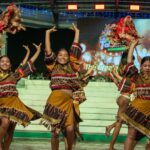
When people talk about Oriental Mindoro, the first things that usually come to mind are its powdery white-sand beaches, the towering Mount Halcon, and the warm hospitality of its people. But if you look closer, you’ll discover that the province also shines through its festivals, which beautifully showcase the blend of faith, history, agriculture, and the rich heritage of the Mangyan people.
These festivals are more than just colorful street dances or lively parades. They are heartfelt expressions of the Mindoreños’ connection to their land and sea, their gratitude for bountiful harvests, and their desire to preserve their traditions while celebrating life with the community. Each festival has its own unique story, and together they form a cultural tapestry that makes Oriental Mindoro even more fascinating to explore.
Let me take you on a tour of some of the most vibrant and meaningful festivals in Oriental Mindoro.
Content
Pandang Gitab Festival (Festival of Lights) – April 30
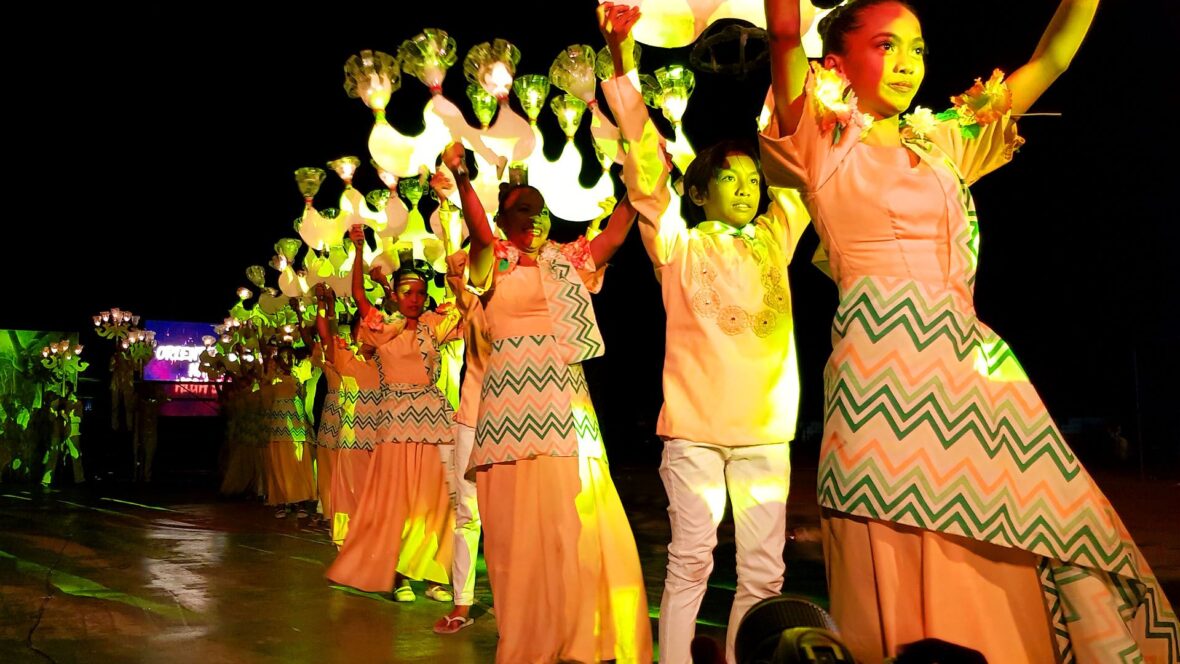
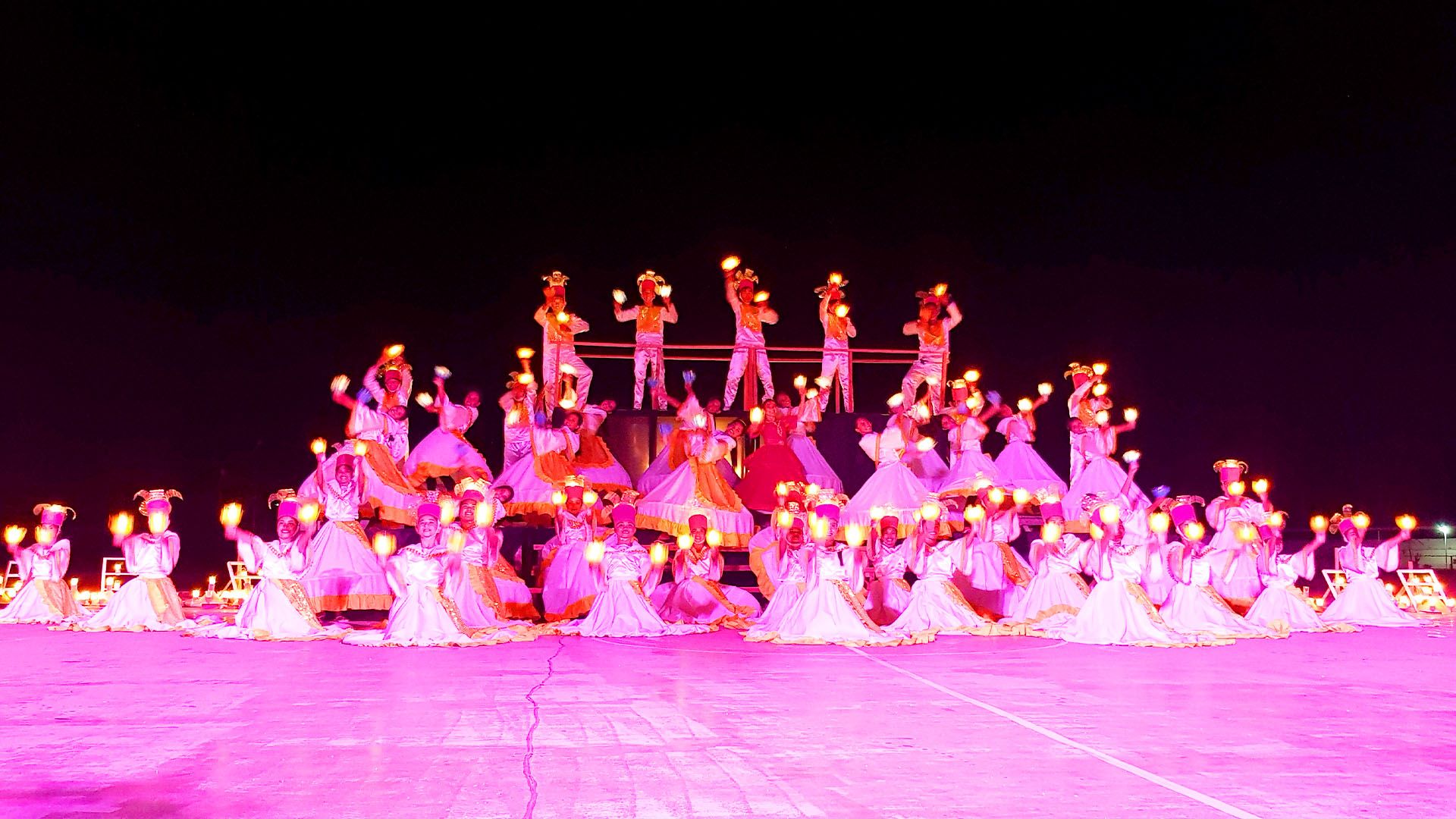
If there’s one festival that best represents Oriental Mindoro, it’s the Pandang Gitab Festival. Held every April 30, this nighttime spectacle lights up the province with beauty and grace.
The name itself is a combination of two words: Pandanggo sa Ilaw, a traditional folk dance known as the Dance of Lights, and dagitab, which means flickering light. The festival is all about dancers moving gracefully while balancing lighted candles or lamps on their hands and heads. It’s both mesmerizing and symbolic, as it pays tribute to the tradition of fishermen’s wives who used to bring lights to the shore at dusk to guide their husbands safely back home.
When you see the performers swaying gently with glowing lights against the dark night sky, you can’t help but feel the devotion and hope that this festival embodies. It’s one of those events that gives you goosebumps, especially when you realize that behind the graceful steps lies a story of love and resilience.
Bahaghari Festival (Rainbow Festival) – April 25
In the town of Pinamalayan, colors take center stage every April 25 during the Bahaghari Festival. The word bahaghari means rainbow, and it has a very special meaning here. According to local legend, a rainbow once appeared as a divine sign that guided the first settlers to Pinamalayan’s shores. Because of that, the rainbow has become a symbol of hope, unity, and harmony for the town.
The Bahaghari Festival is a joyful and vibrant event that celebrates these values. Street dancing competitions feature performers in rainbow-inspired costumes, moving to upbeat rhythms that reflect the optimism and resilience of the people. Cultural presentations highlight not just the legend but also the spirit of community that defines Pinamalayan.
What I love about this festival is how it shows that after every storm, there is always hope, just like how rainbows appear after the rain.
Banana Festival – March 18–19
If you ever find yourself in the town of Baco, you’ll quickly notice how important bananas are to the local livelihood. To celebrate this, the community holds the Banana Festival every March 18 to 19.
Bananas, from the small Senorita variety to the ever-reliable Saba, take the spotlight during this event. One of the highlights is the banana cookfest, where creative dishes showcase just how versatile this fruit can be. There’s also the much-awaited street dancing competition, with performers donning costumes inspired by bananas.
Traditional activities like lupakan (mashing rice and coconut) also take place, blending the agricultural abundance of the town with its cultural practices. It’s a lighthearted and sincere celebration that reminds everyone how important even the simplest crops are in sustaining the community.
Dabalistihit Festival – September 10
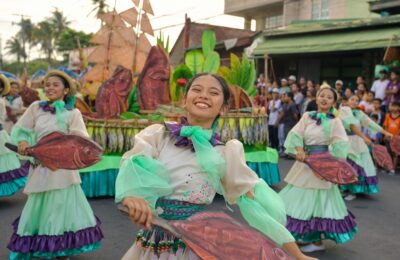
For something truly unique, head to Naujan on September 10 for the Dabalistihit Festival. The name itself is quite interesting—it’s an acronym formed from the different fish species found in Naujan Lake: Dalag (mudfish), Banak (mullet), Banglis, Tilapia, and Hito (catfish).
This festival pays tribute to the lake’s rich freshwater resources and to the fishermen who depend on it for their livelihood. Street dancers wear colorful costumes and use props representing the different fish, creating a lively display of creativity and pride. Beyond the fun, though, the festival also raises awareness about the importance of preserving Naujan Lake, one of the country’s largest freshwater lakes.
It’s a festival that connects celebration with conservation, reminding everyone that nature and community must always go hand in hand.
Sulyog Festival – March 19
In the town of Bongabong, the Sulyog Festival takes place every March 19 in honor of their patron saint, St. Joseph. The name “Sulyog” comes from a combination of suli (banana suckers) and niyog (coconut), the town’s primary agricultural products.
This is both a thanksgiving celebration and a cultural showcase. Street dances and cultural shows reflect the farming traditions of Bongabong, where agriculture remains at the heart of everyday life. Seeing locals celebrate the fruits of their hard work is a humbling reminder of how deeply tied people are to the land they live on.
Biniray Festival – June 29
Bulalacao is a coastal town that looks to the sea for both livelihood and blessing. Every June 29, they celebrate the Biniray Festival in honor of their patron saints, Peter and Paul.
The highlight of the festival is the fluvial parade or pagoda. Decorated boats sail gracefully across the water, carrying the images of the saints while locals and visitors join in thanksgiving. This is followed by lively street dancing, making it both a spiritual and cultural event.
The Biniray Festival beautifully shows the town’s gratitude for the bounty of the sea. It’s a reminder of how faith and tradition intertwine with daily life, especially in coastal communities.
Mangyan Festival – November 25
No celebration in Oriental Mindoro would be complete without honoring its indigenous roots. In Mansalay, the Mangyan Festival is held every November 25. This festival gives recognition to the Mangyan tribes, who are an important part of the province’s identity.
The Mangyan Festival is more than just a show. It’s a platform for preserving and celebrating the Mangyan’s culture, traditions, and arts. Dances, crafts, songs, and rituals are shared with the public, offering a glimpse into the lives of these indigenous people.
What makes this festival special is how it fosters respect and appreciation for cultural diversity. It ensures that the Mangyan heritage is not only remembered but also celebrated by future generations.
Why Oriental Mindoro’s Festivals Are Worth Experiencing
Each festival in Oriental Mindoro has its own charm and story, but together they reflect the soul of the province. Whether it’s the shimmering lights of Pandang Gitab, the colorful optimism of the Bahaghari Festival, the agricultural pride in Banana and Sulyog, the devotion of Biniray, or the cultural respect shown in the Mangyan Festival, all of these celebrations share one thing in common: they embody the resilience, gratitude, and faith of the Mindoreño people.
Traveling to Oriental Mindoro during its festive season is like being invited into the very heart of the community. You don’t just watch the parades or taste the food—you feel the joy, the pride, and the spirit of togetherness that define the province.
So if you’re planning your next cultural trip in the Philippines, don’t overlook Oriental Mindoro. Its festivals are proof that beyond its natural beauty, the province also shines through its people, their traditions, and their enduring light.

| Festival | Town/City | Date(s) | Highlights |
|---|---|---|---|
| Pandang Gitab Festival (Festival of Lights) | Calapan City (Provincial Capital) | April 30 | Night street dancing with dancers balancing lighted candles/lamps; tribute to fishermen’s wives guiding their husbands home; graceful folk performances. |
| Bahaghari Festival (Rainbow Festival) | Pinamalayan | April 25 | Colorful street dancing, rainbow-inspired costumes, cultural presentations celebrating unity and harmony. |
| Banana Festival | Baco | March 18–19 | Banana cookfest, saba-themed street dancing, traditional activities like lupakan. |
| Dabalistihit Festival | Naujan | September 10 | Street dancing with fish-themed costumes and props; celebration of freshwater resources from Naujan Lake. |
| Sulyog Festival | Bongabong | March 19 | Street dancing and cultural shows highlighting banana and coconut farming; thanksgiving for agricultural bounty. |
| Biniray Festival | Bulalacao | June 29 | Fluvial parade (pagoda) with decorated boats carrying patron saints; street dancing; thanksgiving for the sea’s bounty. |
| Mangyan Festival | Mansalay | November 25 | Cultural showcase of Mangyan tribes; traditional dances, crafts, songs, and rituals celebrating indigenous heritage. |
FAQ: Festivals in Oriental Mindoro
1. What is the main festival of Oriental Mindoro?
The official festival of the province is the Pandang Gitab Festival, held every April 30. It’s a nighttime street-dancing competition where dancers perform the traditional Pandanggo sa Ilaw while balancing lights, creating a spectacular display of devotion, hope, and grace.
2. Are all the festivals in Oriental Mindoro about religion?
Not all of them. Some festivals, like the Biniray Festival in Bulalacao, are religious in nature because they honor patron saints. But others celebrate local culture, legends, or livelihood. For example, the Banana Festival in Baco gives thanks for abundant harvests, while the Dabalistihit Festival in Naujan highlights the fish species of Naujan Lake.
3. Which festival is the most colorful?
It’s hard to pick just one, but the Bahaghari Festival in Pinamalayan stands out. Costumes and dances are inspired by rainbows, symbolizing hope, unity, and peace. The Pandang Gitab Festival is also breathtaking, especially since it takes place at night with glowing lights.
4. Are there festivals that focus on agriculture?
Yes. The Banana Festival in Baco and the Sulyog Festival in Bongabong are both agricultural celebrations. They give thanks for bountiful harvests of bananas, coconuts, and other crops. Parades, cookfests, and street dancing often feature these products as props and decorations.
5. Do any festivals celebrate the sea or fishing traditions?
Definitely. The Biniray Festival in Bulalacao is centered on the sea, with a fluvial parade of decorated boats carrying saints. Meanwhile, the Dabalistihit Festival in Naujan highlights the freshwater bounty of Naujan Lake through fish-inspired dances.
6. Is there a festival that honors indigenous culture?
Yes, the Mangyan Festival in Mansalay. Held every November 25, it celebrates the traditions, arts, and way of life of the Mangyan tribes. It’s a meaningful way of preserving indigenous culture and sharing it with the rest of the province.
7. When is the best time to visit Oriental Mindoro for festivals?
The festival season is spread throughout the year. March and April are especially lively, with the Banana Festival, Sulyog Festival, Bahaghari Festival, and Pandang Gitab Festival happening close together. If you want to experience indigenous culture, November is the time to catch the Mangyan Festival.
8. Do tourists get to participate in these festivals?
Visitors are always welcome. While the main performers are usually locals, tourists can join the fun by watching the parades, enjoying local delicacies at trade fairs, or taking part in community activities. It’s a great way to immerse yourself in the province’s culture.
9. Are these festivals family-friendly?
Absolutely. Most festivals are community events that bring together people of all ages. Kids will enjoy the colorful costumes and parades, while adults can appreciate the cultural showcases, food fairs, and street dances.
10. Why are the festivals in Oriental Mindoro special?
What makes them special is how personal and meaningful they are. Each festival tells a story—whether it’s about guiding fishermen home with lights, honoring a rainbow that marked a town’s beginnings, or celebrating the resilience of farmers. These aren’t just shows for visitors; they’re authentic reflections of the people’s way of life.