Samar Province, often called Western Samar, is one of those places in the Philippines that feels like it was carved by both nature and tradition. With its rugged mountains, mysterious caves, and waterfalls that seem to tumble straight from the heavens, the province is a paradise for adventurers.
But beyond the natural beauty, Samar also shines in the way its people celebrate life. The festivals here are colorful, soulful, and deeply rooted in the faith, traditions, and gratitude of the Samareños.
Festivals in Samar are more than just grand street dances or parades. They are powerful stories told through music, costumes, and rituals. Each celebration captures the history, livelihoods, and cultural identity of the people.
Whether it’s honoring fishermen, giving thanks for a bountiful harvest, or showcasing traditional crafts, these festivals offer visitors a chance to experience the true heart of Samar.
Let me take you through some of the best festivals in Samar Province that beautifully showcase its culture and people.
Content
Samar Day (Tandaya Festival) – August 11
Every August 11, the whole province comes together for Samar Day, which marks the founding anniversary of Samar as an independent province. What makes this event so special is that it serves as the “Festival of Festivals,” bringing together cultural celebrations from different towns and municipalities in one grand showcase.
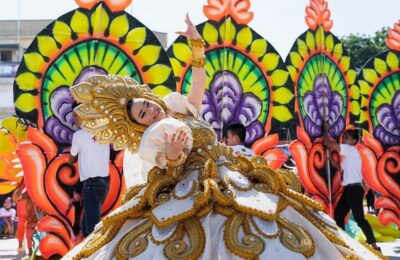
The highlight is the spectacular street dance competition where groups perform in colorful costumes that represent their hometowns’ unique culture and heritage. Alongside the dances, the week-long celebration features a beauty pageant, food fairs, and parades that unite Samareños in pride and joy. The festival is also called the Tandaya Festival, after the ancient name of the island, reminding everyone of the province’s rich and storied past.
Manaragat Festival – August 24
In Catbalogan City, the capital of Samar, the Manaragat Festival takes center stage every August 24. The word “manaragat” means fisherman, and the festival pays tribute to the hardworking fisherfolk of Maqueda Bay. It also honors the city’s patron saint, St. Bartholomew.
This festival is a feast for the senses. Imagine dancers in vibrant marine-inspired costumes moving like waves, their choreography reflecting the struggles and triumphs of fishermen. The music is energetic and hypnotic, pulling you into the story of life by the sea. The Manaragat Festival is not just a celebration but also a reminder of how the sea sustains the community.
Pahoy-Pahoy Festival – May 25
Over in Calbiga, the Pahoy-Pahoy Festival lights up the town every May 25. The name comes from the local word for scarecrow, “pahoy-pahoy,” and the festival is dedicated to the region’s agricultural roots.
What makes this festival stand out are the scarecrow-inspired costumes worn by the dancers. They are creative, colorful, and often decorated with rice, corn, and other farm products. The dancers move to the beat of bamboo instruments, their steps echoing the gratitude of farmers for the blessings of a good harvest. It’s a joyful tribute to the land and the hardworking people who till it.
Sarakiki-Hadang Festival – September 8
Also in Calbayog City is the Sarakiki-Hadang Festival, celebrated every September 8 in honor of the Nativity of the Blessed Virgin Mary. This event is a fascinating blend of ancient traditions and Catholic faith.
The word “Sarakiki” refers to a ritual dance that mimics the movements of a rooster, symbolizing good fortune. “Hadang,” on the other hand, means offering. During the festival, street dancers perform energetic and symbolic routines that combine pre-Hispanic practices with Christian devotion. It’s a cultural showcase that captures both the spiritual and historical identity of Calbayog.
Banigan-Kawayan Festival – September 29
Basey, a town in Samar famous for its weaving tradition, hosts the Banigan-Kawayan Festival every September 29. The word “banigan” refers to woven mats, while “kawayan” means bamboo, both of which are central to the artistry and livelihood of the town.
This festival is a vibrant celebration of craftsmanship. Dancers use woven mats and bamboo in their costumes and props, creating a stunning visual display that honors their artisans. Beyond the spectacle, the festival promotes the preservation of this traditional craft, ensuring that the weaving skills continue to be passed down to future generations.
Bottom Line
Samar’s festivals are more than just events to watch; they are experiences to live. Each one reflects the resilience, creativity, and gratitude of its people. Whether it’s celebrating fishermen in Catbalogan, farmers in Calbiga, or weavers in Basey, these festivals tell the story of a community that values its heritage while embracing the future.

Visiting Samar during these celebrations is like stepping into a colorful tapestry woven from faith, tradition, and unity. The music, the dances, the costumes, and most importantly, the people, make these festivals truly unforgettable. If you want to experience the soul of Samar, there’s no better way than to join in its celebrations and feel the spirit of the Samareños for yourself.
Travel Guide to Festivals in Samar Province
If you are planning to witness these vibrant festivals in Samar, a little preparation goes a long way. The province may be rugged and remote compared to other destinations in the Philippines, but that is also what makes it so special. Here are some helpful tips to make your trip smooth and memorable.
How to Get to Samar
The main gateway to Samar Province is Catbalogan City, the capital. There are two common ways to get there:
- By Air: The nearest airports are in Tacloban City (Daniel Z. Romualdez Airport) in Leyte and Calbayog Airport in northern Samar. From Tacloban, it takes about 2–3 hours by bus or van to reach Catbalogan. From Calbayog, it’s around 2 hours by land.
- By Land and Sea: If you are coming from Manila, you can ride a bus bound for Samar or Tacloban. The trip usually includes a ferry crossing from Matnog, Sorsogon to Allen, Northern Samar. From there, it’s just a few hours to reach Catbalogan or Calbayog.
Best Time to Visit
The best time to visit Samar really depends on which festival you want to experience:
- May – for the Pahoy-Pahoy Festival in Calbiga.
- August – for Lubi-Lubi Festival in Calbayog, Samar Day in the province, and the Manaragat Festival in Catbalogan.
- September – for the Sarakiki-Hadang Festival in Calbayog and Banigan-Kawayan Festival in Basey.
If you want to maximize your trip, consider visiting in August or September, when multiple festivals are celebrated back-to-back.
Where to Stay
You’ll find plenty of accommodations in Catbalogan City and Calbayog City, from budget inns to mid-range hotels. If you’re attending the Banigan-Kawayan Festival, Basey is close enough to Tacloban City, which offers a wider selection of hotels and restaurants.
Travel Tips
- Plan ahead: Festivals can draw large crowds, so book your accommodations and transport early.
- Join the locals: Don’t be shy to join the street dancing or try local delicacies being sold during the festivities. Samareños are warm and welcoming, and they’ll be happy to share their traditions.
- Bring cash: ATMs can be limited in some towns, so it’s always good to carry enough cash for your expenses.
- Try the food: Samar is known for its delicious native delicacies like tamalos (pork in peanut sauce) and binagol (taro and coconut dessert).
Final Thoughts
Traveling to Samar during festival season is one of the best ways to experience the province. The journey may take a bit of effort, but once you see the vibrant street dances, hear the rhythmic beats, and feel the genuine hospitality of the people, you’ll know it was worth every step. Samar’s festivals aren’t just events on a calendar; they are living traditions that bring communities together and welcome visitors with open arms.