If you’ve ever wanted to experience one of the Philippines’ most colorful and festive celebrations, the Pahiyas Festival is the place to be.
Held every May 15 in Lucban, Quezon, as well as in nearby towns like Tayabas, Sariaya, Gumaca, and Tiaong, this festival is a feast for the senses and a true celebration of Filipino culture.
Content
Pahiyas Festival
Pahiyas is a festival dedicated to honoring San Isidro Labrador, the patron saint of farmers. It’s one of the country’s largest harvest festivals, renowned for its spectacular displays of colorful produce and lively cultural festivities.
The tradition dates back to the 15th century when farmers would offer their crops to San Isidro at Mount Banahaw and later at the church. Over time, this tradition evolved into decorating homes with the harvests, giving rise to the Pahiyas Festival as we know it today.

A Glimpse into History
The modern Pahiyas Festival was officially organized in 1963 by Fernando Cadeliña Nañawa, the president of the Art Club of Lucban. The name “Pahiyas” is derived from the word “payas,” which means decorations.
Originally a modest Thanksgiving tradition, the festival has since transformed into a dazzling annual event that attracts thousands of visitors.
Celebrations and Traditions
One of the festival’s most exciting features is the transformation of homes. Picture strolling through streets lined with houses adorned with an array of fruits, vegetables, flowers, and “kipings”—leaf-shaped rice wafers. It’s like stepping into a living, breathing art exhibit. Longganisas, or Filipino sausages, are also part of the festive decor.
A must-see event is the ‘Kalas’ procession, a lively gathering where people come together to collect produce from the beautifully decorated homes. This joyful event fosters a sense of community, bringing both locals and visitors closer together.
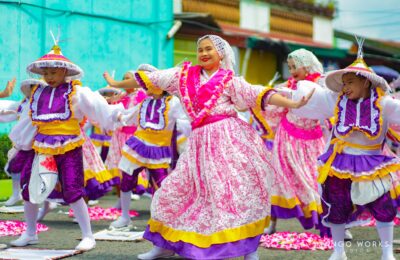
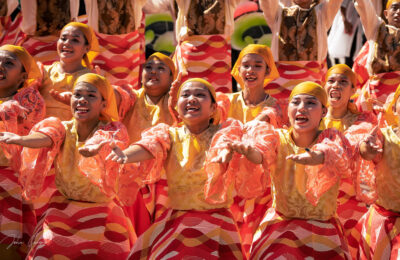
But Pahiyas isn’t just about decorations. The festival includes parades, cultural performances, exhibits, and competitions. Street food vendors offer local favorites like pancit habhab and Lucban pilipit, ensuring that no one goes hungry.
As evening falls, Lucban transforms into a fairy-tale wonderland. The streets are illuminated with colorful lights and intricate decorations, creating a magical atmosphere that’s simply enchanting. The nighttime festivities are as lively and captivating as the daytime events.
No festival is complete without good food and souvenirs. During Pahiyas, locals open their homes for feasting and mingling, while street food stalls offer a variety of local treats. Don’t forget to visit the tiyangge (market) for souvenirs like native hats and bags to remember your visit.

Key Takeaways
When: Every May 15
Where: Lucban, Quezon; also in Tayabas, Sariaya, Gumaca, and Tiaong
History: From a thanksgiving tradition to a formalized festival in 1963
Highlights: Colorful decorations, Kalas procession, parades, cultural performances, street food, and nighttime lights
Experiencing Pahiyas is like stepping into a celebration of life, culture, and community. It’s a vibrant festival that showcases the best of Filipino tradition and hospitality. If you’re ever in the Philippines in May, make sure to visit Lucban and immerse yourself in the colorful world of Pahiyas!

READ MORE: 15 Tourist Spots in Quezon Province
More Details: Pahiyas Festival
1. What is the Pahiyas Festival?
The Pahiyas Festival is a vibrant celebration held every May 15 in Lucban, Quezon, and nearby towns. It honors San Isidro Labrador, the patron saint of farmers, and is known for its colorful displays of produce and lively cultural events.
2. When does the Pahiyas Festival take place?
The festival occurs annually on May 15.
3. Where is the Pahiyas Festival celebrated?
The main celebration is in Lucban, Quezon. It’s also observed in nearby towns like Tayabas, Sariaya, Gumaca, and Tiaong.
4. What are the highlights of the festival?
Highlights include colorful home decorations, the ‘Kalas’ procession, parades, cultural performances, and delicious street food. At night, the streets light up with vibrant lights and decorations.
5. What kind of decorations can I see at the festival?
Homes are decorated with fruits, vegetables, flowers, and “kipings” (leaf-shaped rice wafers). Longganisas (Filipino sausages) are also part of the festive decor.
6. What can I do at the festival?
You can enjoy the beautiful decorations, watch parades and cultural performances, taste local street food, and join in the Kalas procession. There’s also a market (tiyangge) where you can buy souvenirs.
7. How can I get souvenirs from the festival?
Visit the tiyangge (market) during the festival to find native hats, bags, and other souvenirs to remember your visit.