Siquijor, often called the “Island of Fire” or the “Mystical Island,” is more than just a destination of pristine beaches, waterfalls, and rolling hills. It is a place where stories of enchantment live side by side with deep-rooted faith, creating a unique cultural identity that fascinates visitors.
The island has long been associated with folk healing, age-old rituals, and spiritual traditions, but what makes it truly special is how these practices blend beautifully with the Christian celebrations and fiestas that mark the calendar year.
If you really want to get to know Siquijor, the best way is through its festivals. Each town has its own way of honoring history, livelihood, and faith, making every celebration feel like a window into the soul of the island and its people. From grand parades to healing rituals, Siquijor’s festivals offer a rare experience you won’t easily find anywhere else.
Let’s take a look at some of the island’s most remarkable celebrations.
Content
Araw ng Siquijor (Siquijor Day)
Every September 17, the entire island comes alive to celebrate Araw ng Siquijor, marking the province’s founding as an independent province in 1971. This week-long festivity is not just about commemorating history; it’s also a massive showcase of local pride.
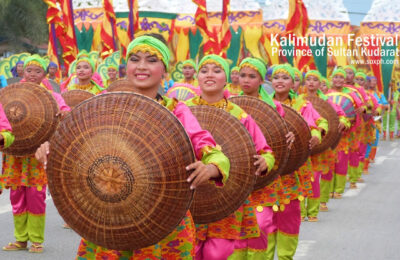
In Maasin City, the provincial capital, you’ll see parades filled with colorful costumes, trade fairs featuring crafts and delicacies, and the much-anticipated Mutya ng Siquijor pageant. One of the highlights is the Solili Festival, a cultural street-dancing competition that reenacts a traditional courtship and marriage ritual from Lazi. Watching the Solili dances feels like being transported back in time, witnessing how love and family were celebrated generations ago.
Dilaab Festival
Held every October 4 in the town of Siquijor, the Dilaab Festival is a fiery tribute to the island’s original Spanish name, Isla del Fuego (Island of Fire). The name came from the sight of countless fireflies glowing in the island’s trees at night.
The festival is also dedicated to the town’s patron saint, St. Francis of Assisi. “Dilaab” means flame or fire, and fittingly, the celebration bursts with energy. Street dancing competitions, colorful parades, and lively performances fill the streets, often with themes highlighting Siquijor’s natural beauty and the warmth of its people. It’s a dazzling event that reminds everyone why the island is both mystical and welcoming.

Siquijor Healing Festival
Perhaps the most unique of all, the Siquijor Healing Festival happens during Holy Week, specifically on Black Saturday. This festival attracts not just locals but also travelers curious about the island’s reputation as a center of traditional healing.
During the event, folk healers known as mananambal gather at Mt. Bandilaan, the island’s highest peak, to perform rituals and prepare healing oils called lana. These oils are made from barks, herbs, and roots collected during Holy Week, believed to carry strong healing powers.
For visitors, it’s a fascinating chance to witness a centuries-old practice that blends Catholic prayers with indigenous rituals. The Healing Festival is a true expression of Siquijor’s mystical identity and a reminder of how traditions endure even in modern times.
Bugwas Festival
The Bugwas Festival, celebrated on August 28 in San Juan, is a lively thanksgiving for the town’s natural bounty. The word bugwas refers to water gushing from the ground, a symbol of abundance for both farmers and fishermen.
The main highlight is the street-dancing competition, where performers in bright costumes dance to depict the blessings of the land and sea. Floats often feature marine themes, harvest scenes, and symbols of prosperity. It’s a joyful reminder of how closely the people of San Juan are tied to nature’s gifts.
Lubi Festival
In the town of Maria, May is all about coconuts during the Lubi Festival. The word lubi means coconut in the local dialect, and the festival is a celebration of this so-called “tree of life.”
The highlight is a fun and creative dance showdown, with participants using coconut leaves, shells, husks, and trunks to design costumes and props. From headpieces made of fronds to skirts crafted from husks, everything is inspired by the coconut. The festival doesn’t just honor a vital part of the community’s livelihood, it also shows just how resourceful and artistic the people of Siquijor are.
Pamukad Festival
In Enrique Villanueva, the Pamukad Festival takes place every July 15–16. This festival is all about gratitude for the sea’s blessings, particularly the rich fish catch that sustains the community.
The word pamukad refers to a traditional fishing ritual. During the festival, the town celebrates with dances that imitate fishing practices, rituals, and the daily lives of fisherfolk. At the heart of the event is devotion to their patron saint, Our Lady of Mount Carmel, making the Pamukad Festival a mix of cultural pride and deep faith.
Final Thoughts
Siquijor’s festivals are not only fun and colorful; they are the heartbeat of the island’s identity. Whether it’s the solemn and mystical rituals of the Healing Festival, the fiery dances of the Dilaab, or the abundant thanksgiving of Bugwas and Pamukad, each celebration tells a story about the island’s people, their history, and their enduring faith.
What makes these festivals even more special is how they bring communities together. Families, neighbors, and even visitors share in the joy, strengthening bonds and passing traditions down to the next generation.
Visiting Siquijor during one of these festivals is more than just a travel experience. It’s a chance to witness the soul of the island, where mysticism and faith intertwine, where culture and history are kept alive in music, dance, and ritual. It’s in these celebrations that you truly feel the magic of the Mystical Island.