Sarangani, a province tucked away in the southernmost part of the Philippines, is a place that has always fascinated me. It’s where majestic mountains meet the sea, and where cultures blend so beautifully that you can feel the warmth and pride of its people everywhere you go.
This land isn’t just about breathtaking coastlines or fertile valleys, it’s also about the stories, traditions, and celebrations that bring its communities together. And the best way to truly understand Sarangani is to experience its festivals.
The festivals here are not just ordinary events. They are living expressions of history, culture, gratitude, and unity. From honoring indigenous roots to throwing one of the biggest beach parties in the country, Sarangani knows how to celebrate life in ways that are both meaningful and unforgettable.
Let me take you through some of the best festivals that capture the heart and soul of Sarangani.
Content
MunaTo Festival
If you want to experience the identity of Sarangani in one grand event, the MunaTo Festival is the place to be. Held every November 28, this celebration commemorates the founding anniversary of the province.
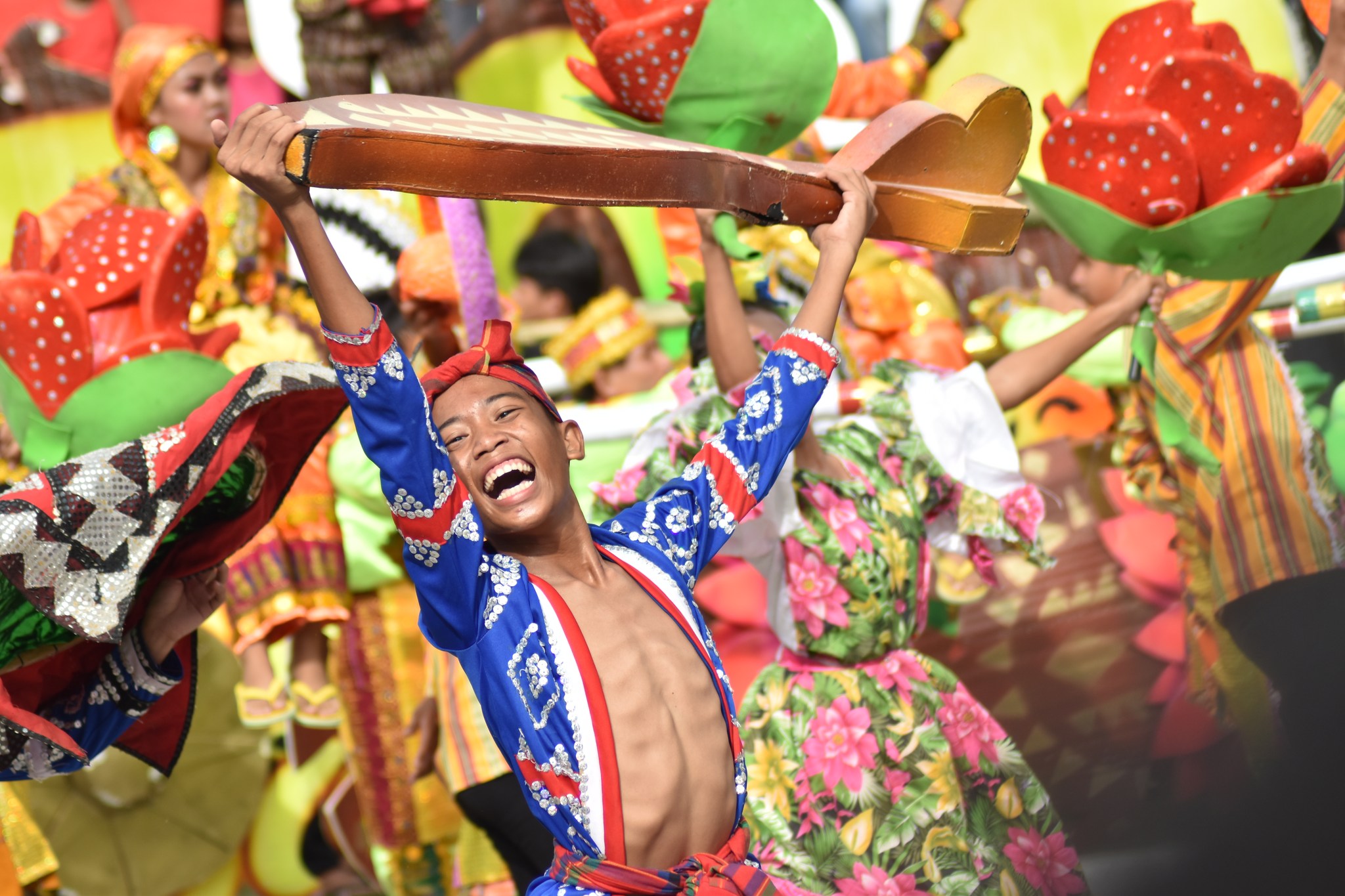
The word “MunaTo” means “first people” in the B’laan language, and the festival lives up to that name by honoring the indigenous Lumad, the Moro people, and the Christian settlers. These three groups make up the “tri-people” of Sarangani, and the festival is a colorful reminder of their harmony.
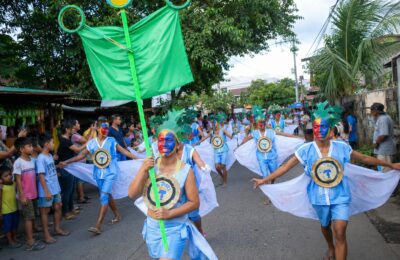
During MunaTo, the streets come alive with cultural showcases, street dancing competitions, and trade fairs that proudly display the best of the province’s local products. What makes it even more special is its connection to Sarangani’s archaeological treasures. The festival often highlights the Maitum Caves, where ancient anthropomorphic burial jars were discovered. These jars are proof that Sarangani was once home to a thriving civilization thousands of years ago.
To me, the MunaTo Festival feels like a bridge between the past and present, honoring traditions while celebrating the vibrant life of Sarangani today.

Sarangani Bay Festival (SarBay Fest)
If MunaTo is about culture and heritage, SarBay Fest is about energy, fun, and the ocean. Often called the biggest beach festival in the Philippines, SarBay Fest happens every last weekend of May at the pristine Gumasa Beach in Glan.
Gumasa is already a paradise on its own, sometimes even referred to as the “Boracay of the South.” But during SarBay Fest, this quiet stretch of sand transforms into one giant celebration. Imagine thousands of people gathered by the sea, with music, parties, and exciting activities happening everywhere.
But what makes SarBay Fest stand out is its heart for the environment. The festival is not just about fun, it’s also about raising awareness for the preservation of Sarangani Bay. Alongside concerts and beach parties, you’ll find sports competitions, frisbee matches, jet ski races, and even a thrilling “Swim Across the Bay.”
It’s one of those events that remind you that while nature gives us so much to enjoy, it’s also our responsibility to protect it.
Lubi-Lubi Festival
If there’s one thing the town of Glan is known for, it’s coconuts. And the Lubi-Lubi Festival, held every October 8, is their way of giving thanks for this humble yet vital crop.
“Lubi” is the local word for coconut, and this festival puts the spotlight on its importance in the lives of the people. The highlight is the street dancing competition, where performers dress in costumes made entirely from coconut materials—husks, shells, leaves, and more. The creativity that goes into these costumes is simply amazing.
The dances often tell stories of tradition, rituals, and everyday life, showing just how deep the coconut’s role is in the culture of Glan. It’s not just a festival about a tree, it’s about resilience, resourcefulness, and gratitude.
Pakbeng Festival
In the farming town of Maasim, the Pakbeng Festival is the ultimate thanksgiving event. Celebrated every last weekend of October, it is all about giving thanks for the harvest, especially of corn and rice.
Pakbeng Festival is one of those celebrations that feel very community-centered. You’ll see people coming together for parades, street dancing, and displays of fresh produce. The joy is infectious, and you can really feel how connected the people are to their land.
It’s a reminder that festivals don’t always have to be extravagant to be meaningful. Sometimes, the simplest celebrations, rooted in gratitude and togetherness, are the most powerful.
Kalilangan Festival
Although technically celebrated in General Santos City every February 27, the Kalilangan Festival is something Sarangani residents also hold close to their hearts. After all, General Santos is the region’s commercial hub, and the festival embodies the same values of unity and cultural pride that Sarangani celebrates.
“Kalilangan” comes from a Maguindanaon word that means “celebration” or “revelry.” And that’s exactly what it is. With its grand street dancing competition known as Kadsagayan, cultural performances, and parades, it is a colorful tribute to the harmonious coexistence of Christian, Muslim, and indigenous groups.
Kalilangan reflects the beauty of diversity and how, despite differences, communities can come together in celebration.
Bottom Line
What makes the festivals of Sarangani so special is not just the music, the dances, or the parades. It’s the stories behind them, the values they uphold, and the spirit of the people who bring them to life.
Each festival tells us something unique about Sarangani. MunaTo connects us to its ancient roots. SarBay Fest celebrates the joy of the sea while reminding us to care for the environment. Lubi-Lubi highlights the value of a simple tree that sustains a community. Pakbeng expresses gratitude for the blessings of the land. And Kalilangan celebrates harmony across cultures.
Together, they weave a beautiful tapestry that reflects the province’s unity, resilience, and love for life.
Visiting Sarangani during any of these festivals isn’t just about being a spectator. It’s about becoming part of the celebration, part of the story, and part of the community’s shared joy. And that’s what makes Sarangani truly unforgettable.