Romblon, an archipelago province nestled right in the heart of the Philippines, is often called the Marble Capital of the country. Its world-class marble, pristine beaches, and quiet island life are reasons enough for travelers to make the trip. But beyond the white sands and the shimmering stone lies something even more captivating—the province’s rich culture and colorful festivals.
These celebrations are not just about music, costumes, or parades. They are deeply rooted in the faith, gratitude, and creativity of the Romblomanon people. Each festival is a story of resilience, a reflection of how communities honor their past, and a way of keeping traditions alive. Whether it’s a grand fluvial procession, a joyful dance paying tribute to coconuts, or a scarecrow-themed street parade, Romblon’s festivals are windows into the heart and soul of the province.
If you’re planning to visit, here are some of the best festivals you should experience in Romblon.
Content
Biniray Festival
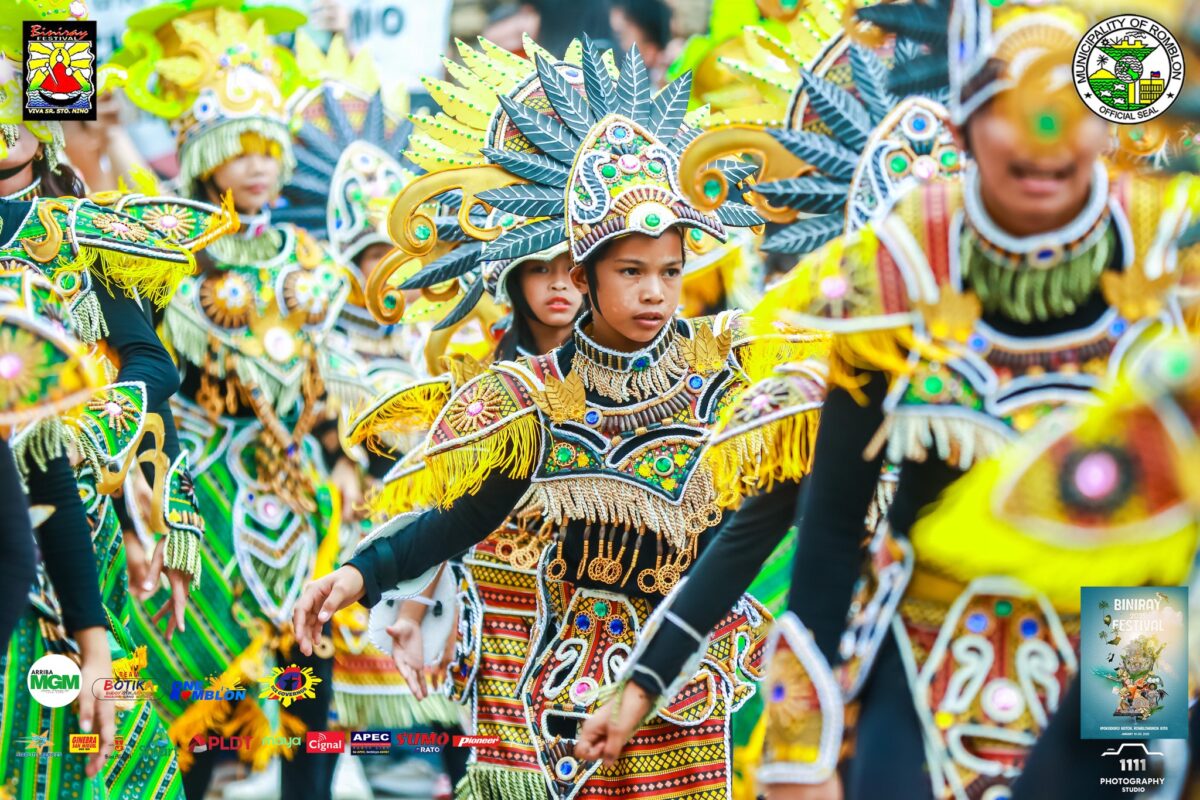
The Biniray Festival is perhaps the most iconic celebration in Romblon Province. It takes place in the capital town of Romblon every January, lasting nine days and culminating on the second Friday of the month. Dedicated to the Santo Niño, or the Holy Child Jesus, it is a celebration filled with both solemn devotion and festive joy.
The highlight is a breathtaking fluvial procession. The image of the Santo Niño is carried aboard a galleon-like vessel, which is followed by a parade of boats decorated with vibrant colors and festive ornaments. The sound of trumpets, the cheers of devotees, and the sight of the Santo Niño cruising through the waters make for an unforgettable experience. On land, the festivities continue with parades, cultural presentations, and community gatherings.

What makes the Biniray Festival special is how it combines faith and festivity so seamlessly. For the people of Romblon, it’s not just about celebrating their patron saint—it’s also about expressing unity, gratitude, and hope for the year ahead.
Kanidugan Festival
In the town of Cajidiocan, the spotlight falls on a tree that locals call the “tree of life”—the coconut. The Kanidugan Festival, whose name comes from “kanidugan,” or coconut plantation, is a joyful tribute to this humble but vital crop.
The coconut is more than just food for the people of Romblon. It’s an economic lifeline, a source of livelihood, and a part of everyday life. During the festival, participants take to the streets in costumes and props made entirely from coconut parts—leaves, husks, shells, and trunks—showing just how resourceful and creative the community can be.
Street dances, with lively choreography and colorful designs, turn Cajidiocan into a moving canvas of coconut-inspired art. The festival is not only fun to watch but also a meaningful reminder of how communities thrive when they honor and care for their land.
Mablaran Festival
On Sibuyan Island, the municipality of San Fernando celebrates the Mablaran Festival, a joyous occasion that highlights history, tradition, and resilience. The name “Mablaran” is derived from the local term for the area where the festival takes place, making it deeply rooted in place and identity.
The festival showcases traditional Sibuyanon music and dance, with performances that narrate stories of the town’s past. It’s an opportunity for younger generations to learn about their heritage while proudly presenting their unique culture to visitors. For the people of San Fernando, Mablaran is more than just an event—it’s a living archive of their roots.
What makes this festival truly memorable is the sense of pride and unity it brings. Locals come together not just to celebrate but to affirm who they are as a community, ensuring that their traditions continue to thrive for years to come.
Pahoy-Pahoy Festival
Over in the town of Odiongan, you’ll find a festival that is both whimsical and meaningful—the Pahoy-Pahoy Festival. Celebrated as a thanksgiving for a bountiful harvest, it places farmers and the gifts of the land at the heart of the celebration.
“Pahoy-pahoy” means scarecrow in the local dialect, and during the festival, participants don scarecrow-inspired costumes made of straw, bamboo, and recycled farm materials. They parade through the streets, dancing to the beat of drums and gongs, transforming the humble figure of a scarecrow into a symbol of gratitude and joy.
This festival is lighthearted, fun, and full of energy, but it also carries a deeper message. It acknowledges the farmers who work tirelessly to sustain their communities and highlights the importance of agriculture to the province’s way of life.
Why You Should Experience Romblon’s Festivals
Romblon’s festivals are not just events on a calendar; they are living traditions that invite everyone—locals and visitors alike—into the heart of the community. They combine spirituality, creativity, and heritage in ways that feel both timeless and uniquely Romblomanon.
Each festival has its own personality:
- Biniray Festival is solemn yet grand, a heartfelt display of devotion.
- Kanidugan Festival is lively and creative, showing how culture and economy go hand in hand.
- Mablaran Festival is deeply cultural, preserving the history and pride of Sibuyan Island.
- Pahoy-Pahoy Festival is cheerful and playful, reminding everyone of the simple joys of life and harvest.
Visiting Romblon during any of these festivals is an immersive experience. You don’t just watch the celebration—you become part of it. Whether you join the street dances, sample local delicacies, or cheer along the fluvial parade, you’ll feel the warmth and hospitality of the Romblomanon people.
The Enduring Spirit of Romblon
Romblon may be known for its marble and beaches, but its festivals show a different side of the province—one that is vibrant, faithful, and deeply rooted in tradition. These celebrations reveal how much the people value their land, their history, and their connection to one another.
From the solemn fluvial procession of the Biniray Festival to the playful scarecrow dances of the Pahoy-Pahoy Festival, each celebration tells a story of resilience, gratitude, and community. They are moments when the province shines brightest, reminding us that beyond the marble quarries and shores, Romblon’s true treasures are its people and their enduring spirit.
So if you ever plan to explore this enchanting province, try to time your visit with one of these festivals. You’ll leave with more than just photos of marble sculptures and white sand beaches—you’ll carry with you the memory of a community that celebrates life in the most colorful and heartfelt ways.
Travel Guide to Romblon: The Marble Capital of the Philippines
When I first set foot in Romblon, I quickly understood why this small island province is often called a hidden gem. Tucked away in the heart of the Sibuyan Sea, Romblon is not only famous for its world-class marble but also for its beautiful islands, rich history, and warm people. Whether you are looking for an off-the-beaten-path adventure or a quiet escape by the sea, Romblon has something truly special to offer.
In this travel guide, I’ll walk you through everything you need to know about exploring Romblon, from the best places to visit, what to eat, how to get there, and some helpful travel tips to make your trip memorable.
Getting to Romblon
Reaching Romblon is already part of the adventure. You have a few options:
- By Sea: From Batangas Port, there are overnight ferries to Romblon town, Odiongan, and Sibuyan Island. It takes around 8 to 12 hours depending on your destination.
- By Air: If you prefer to fly, there are small domestic flights from Manila to Tablas Island, the largest in Romblon. From there, you can ride a van, jeepney, or boat to other towns and islands.
The journey may take time, but the views of the sea and the warm welcome from locals make it worth it.
Best Places to Visit in Romblon
1. Romblon Town (Romblon Island)
Romblon town is the provincial capital and the heart of marble craftsmanship. Walking around, you’ll see shops selling beautifully carved marble souvenirs, from tiny figurines to elegant home decorations. Don’t miss Fort San Andres, a Spanish-era fort with a view overlooking the town and sea.
2. Bonbon Beach
This is perhaps the most iconic spot in Romblon. With its powdery white sandbar stretching out to Bang-og Island, Bonbon Beach looks like a postcard come to life. It’s best to visit in the morning or late afternoon when the tide is just right.
3. Sibuyan Island
Often called the “Galápagos of Asia,” Sibuyan Island is home to Mount Guiting-Guiting, a challenging climb for seasoned hikers. But even if you’re not into mountain climbing, the island has pristine rivers, waterfalls like Cantingas Falls, and lush forests worth exploring.
4. Cresta de Gallo
This tiny, remote island off Sibuyan is a paradise straight out of a dream. With its sandbar, clear waters, and peaceful atmosphere, it feels untouched by time. It’s perfect for a day trip if you want to disconnect from the world.
5. Cobrador Island
Another island gem near Romblon town, Cobrador is loved for its crystal-clear waters and vibrant marine life. Snorkeling here is a must, and you might even see sea turtles if you’re lucky.
What to Eat in Romblon
Food is another highlight of traveling in Romblon. Here are some local must-tries:
- Sarsa – a local dish made of freshwater shrimp cooked in coconut milk.
- Ginataang Pagi – stingray cooked with coconut milk and spices, a true Romblomanon specialty.
- Marble Rice Cakes – not actual marble, but kakanin (rice cakes) that are often shaped or patterned like marble, a fun nod to the province’s identity.
- Fresh Seafood – since Romblon is surrounded by the sea, you’ll always find delicious fish, crabs, and shellfish.
Festivals in Romblon
Romblon is also alive with vibrant festivals that reflect its traditions and culture:
- Biniray Festival (January, Romblon Town) – A colorful celebration in honor of Sto. Niño. Locals parade in boats, dance, and hold processions along the sea and streets.
- Kanidugan Festival (March, Odiongan, Tablas Island) – A fiesta that highlights the importance of coconut in local life, with street dancing, cultural shows, and feasts.
- Lambingan Festival (April, San Andres, Tablas Island) – A celebration of love and unity, with fun activities and community gatherings.
These festivals are wonderful opportunities to see how locals blend faith, culture, and community spirit into joyful celebrations.
Travel Tips for Romblon
- Bring cash: ATMs are limited, especially on the smaller islands, so it’s better to carry enough cash for your trip.
- Respect the environment: Romblon is blessed with natural beauty, so avoid littering and practice sustainable travel.
- Plan your inter-island travel: Since Romblon is made up of many islands, check boat schedules ahead of time to avoid waiting long hours.
- Best time to visit: The dry season, from December to May, is the most ideal for traveling.
Why Visit Romblon?
What makes Romblon truly special is its blend of natural beauty and cultural richness. From marble art to pristine beaches and warm community festivals, the province has a charm that’s both timeless and inviting. Unlike more crowded destinations, Romblon feels personal, like you’re discovering a secret that’s been waiting just for you.
If you’re looking for a place that offers both adventure and serenity, history and culture, Romblon should be at the top of your list.