Nueva Ecija is often introduced as the Rice Granary of the Philippines, and for good reason. Drive through the province and you will see wide stretches of farmland, farmers bent over golden stalks of palay, and irrigation canals that quietly sustain entire communities.
But Nueva Ecija is not just about rice. It is also a province shaped by revolution, faith, and everyday resilience. Its festivals bring all of these stories together in ways that feel deeply personal, sometimes dramatic, and always meaningful.
What I love about festivals in Nueva Ecija is that they do not try to impress with grandeur alone. Many of them are grounded in simple acts like planting, harvesting, praying, and remembering. Some are solemn, others joyful, and a few are wonderfully unusual. Together, they form a calendar of celebrations that reflect who the Novo Ecijanos are and what they value most.
Content
Taong Putik Festival of Aliaga
One of the most unforgettable festivals in the Philippines happens quietly at dawn in Barangay Bibiclat, Aliaga. Every June 24, the Taong Putik Festival, also known as the Mud People Festival, takes place in honor of St. John the Baptist.
Before sunrise, devotees begin covering their bodies with thick mud taken from nearby rice fields. They wrap themselves in dried banana leaves until they barely resemble human figures. Faces, arms, and legs disappear under layers of earth. What remains is a powerful image of humility.
The devotees walk around the barangay asking for alms, usually candles or small coins. This act represents penance and devotion. After making their rounds, they gather at the church to hear Mass. Only after the religious rites do they wash the mud away, symbolizing spiritual cleansing and renewal.
Watching Taong Putik is both moving and humbling. It reminds you that faith in Nueva Ecija is not always polished or comfortable. Sometimes it is muddy, quiet, and deeply sincere.
Araw ng Nueva Ecija
Every September 2, Nueva Ecija celebrates its founding anniversary through Araw ng Nueva Ecija. This is not just a birthday celebration for the province. It is also a remembrance of courage.
Nueva Ecija played a crucial role in the Philippine Revolution against Spanish rule. In 1896, General Mariano Llanera led local revolutionaries in what became known as the Cry of Nueva Ecija. Because of this, the province is recognized as one of the first eight provinces that rose up in revolt.
During Araw ng Nueva Ecija, towns and cities come alive with parades, cultural performances, and historical reenactments. You will see people in period costumes, exhibits featuring revolutionary artifacts, and programs that honor local heroes.
This festival carries a strong sense of pride. It reminds Novo Ecijanos that their province was not only a provider of food but also a defender of freedom.
Sibuyas Festival of Bongabon
If rice is the backbone of Nueva Ecija, onions are one of its most colorful success stories. Bongabon proudly holds the title Onion Capital of the Philippines, and every early April, it celebrates this identity through the Sibuyas Festival.
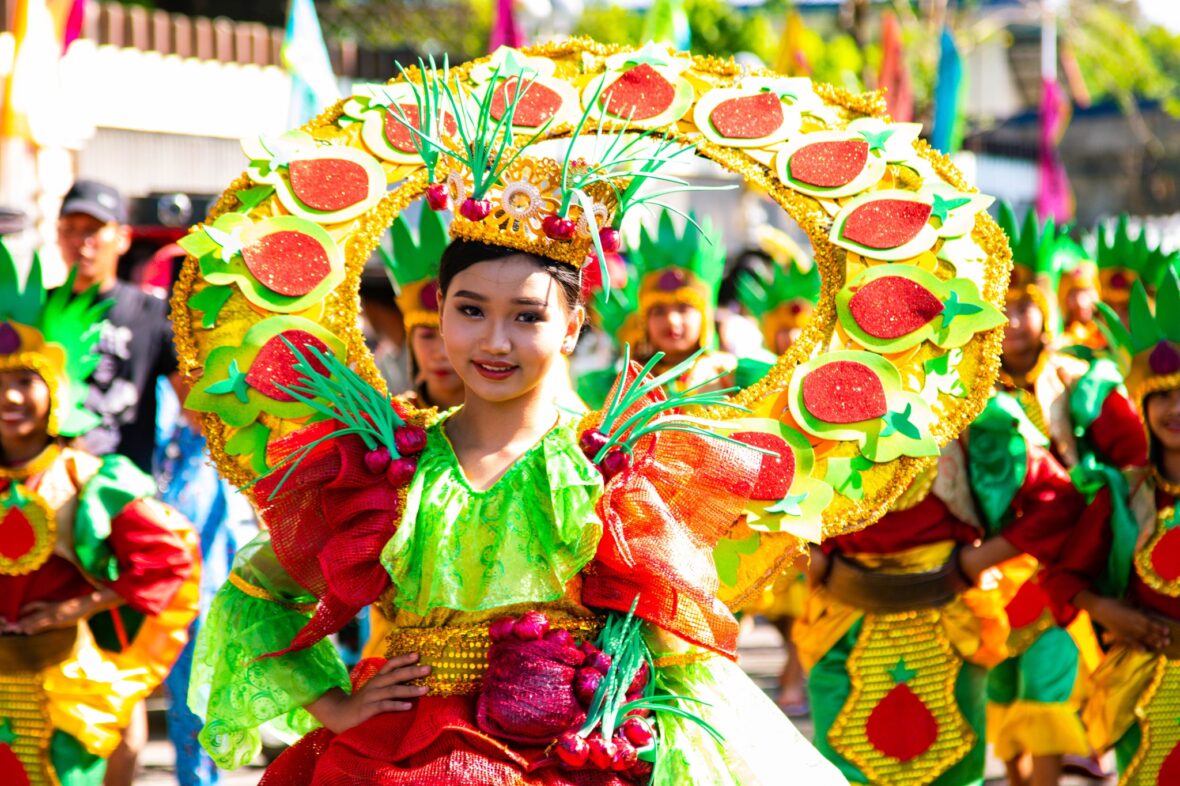
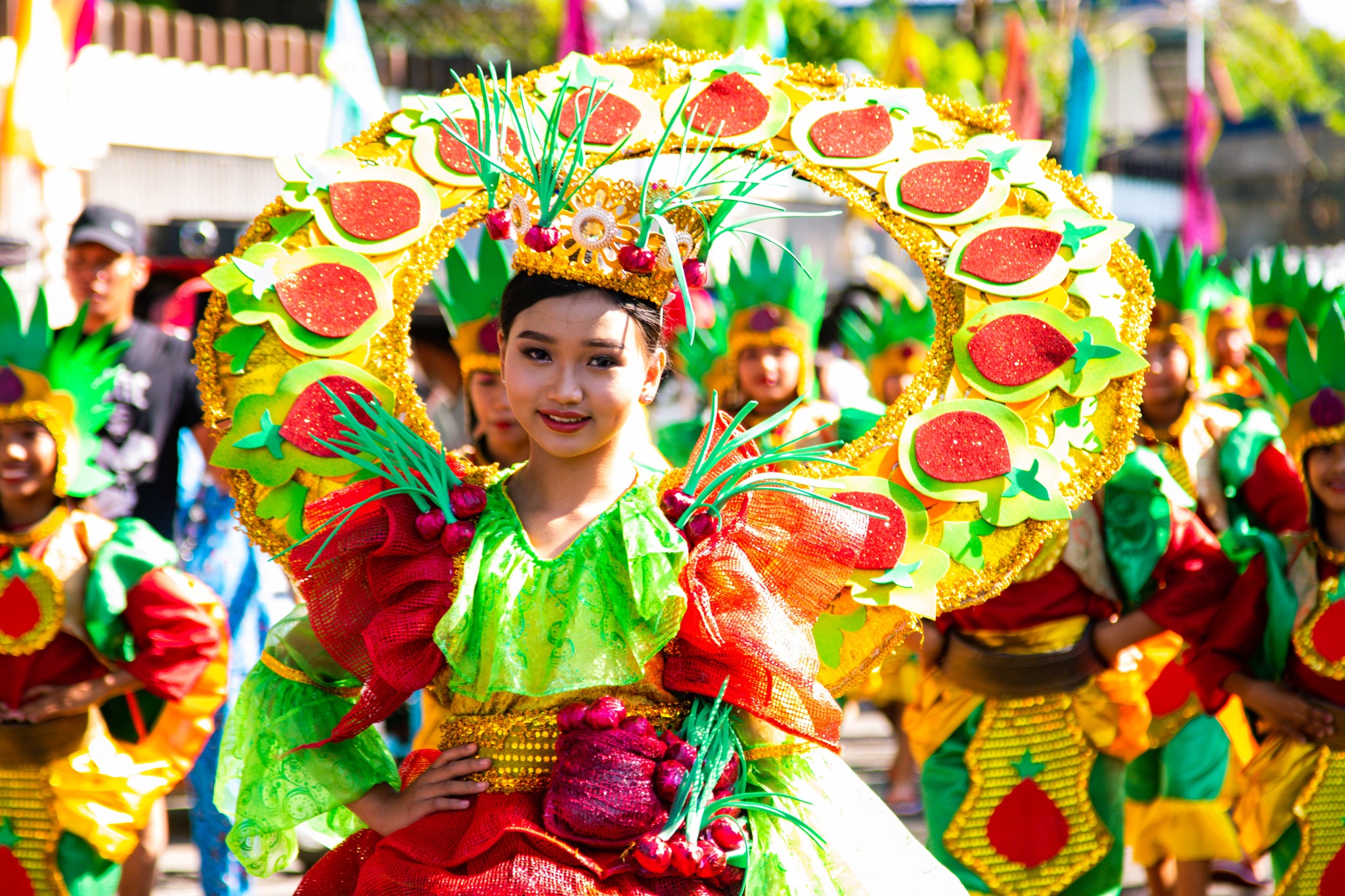
During the festival, the streets of Bongabon fill with dancers wearing costumes decorated with onions. Some outfits are playful, others elaborate, but all reflect gratitude for a crop that sustains thousands of families.
There are street dancing competitions, agricultural exhibits, and displays of onion varieties. The festival is both fun and practical. It highlights the hard work behind farming while promoting local produce.
What makes the Sibuyas Festival special is how it turns something as ordinary as an onion into a symbol of pride and perseverance.

Tanduyong Festival of San Jose City
San Jose City also celebrates onions, but with its own distinct flavor. The Tanduyong Festival, held on the fourth Sunday of April, focuses on a local variety of shallot called tanduyong.
This festival is a thanksgiving for a successful harvest of onions, garlic, and rice. Street dancers wear costumes inspired by farm life, with colors reflecting soil, crops, and sunlight. There is a strong agricultural theme running through every performance.
For farmers, this festival is a moment to pause and celebrate the results of months of labor. For visitors, it is a chance to understand how deeply agriculture shapes daily life in Nueva Ecija.
Araquio Festival of Peñaranda
In Peñaranda, faith takes the form of theater. The Araquio Festival, usually held in May, is one of the oldest traditions in the province.
Araquio is a form of komedya or folk drama that reenacts the quest for the Holy Cross. Performers wear elaborate Spanish-era costumes and deliver poetic lines accompanied by brass bands. The performances can last for hours and sometimes span several days.
This is not street dancing or quick entertainment. Araquio requires patience, attention, and appreciation for storytelling. It reflects a time when religious instruction and entertainment were deeply intertwined.
Watching Araquio feels like stepping into another era. It shows how faith and art have long gone hand in hand in Nueva Ecija.
Pandawan Festival of Pantabangan
Pantabangan’s identity is closely tied to water, specifically the massive Pantabangan Dam. Every late April, the town celebrates the Pandawan Festival, named after the word pandaw, which means checking a freshwater catch.
The festival honors the abundance provided by the dam and the resilience of the community. When the dam was built, the original town of Pantabangan was submerged, and residents had to relocate. This festival celebrates how the community rebuilt their lives.
Activities include boat races, street dancing, and displays featuring giant tilapia. Fishing plays a central role, reminding everyone of how the dam supports both livelihoods and food supply.
Pandawan Festival is about adaptation and gratitude. It celebrates how people can thrive even after major change.
Kariton Festival of Licab
Every March 28, the town of Licab goes back to its roots through the Kariton Festival. A kariton is a carabao-drawn cart, once the primary means of transportation for early settlers.
During the festival, beautifully decorated kariton are paraded through the streets. Some are simple, others are artistic, but all represent the journey of Licab’s pioneers.
This festival honors perseverance and humble beginnings. It reminds residents that progress started with simple tools, shared effort, and determination.
Pagibang Damara of San Jose City
Another meaningful celebration in San Jose City is Pagibang Damara, held during the second week of September. A damara is a temporary bamboo shelter built by farmers in the fields during planting and harvest season.
Pagibang Damara literally means dismantling the shelter. This act signals that the harvest season has ended. Farming work slows down, and it is time to celebrate.
The festival includes communal meals, music, and gatherings. It is less about spectacle and more about shared relief and gratitude. For farmers, it marks the end of long days under the sun and the reward of their labor.
A Harvest of the Soul
The festivals of Nueva Ecija are deeply connected to land, faith, and history. They reflect a province where people work hard, pray earnestly, and remember their roots.
From the muddy devotion of Taong Putik to the colorful onion festivals and the solemn reenactments of revolutionary history, these celebrations tell stories that go beyond entertainment. They show how faith guides daily life, how agriculture shapes identity, and how history continues to inspire pride.
Visiting Nueva Ecija during festival season is not just about seeing performances or taking photos. It is about understanding the rhythm of life in the province. It is about seeing how gratitude is expressed, how communities come together, and how traditions continue to nourish both the land and the soul.
If you ever find yourself in Central Luzon, time your visit with one of Nueva Ecija’s festivals. You might arrive as a guest, but chances are, you will leave feeling like part of the story.
FAQ: Festivals in Nueva Ecija
1. What makes the festivals of Nueva Ecija unique compared to other provinces?
Nueva Ecija’s festivals are deeply rooted in everyday life. Many of them are tied to farming, faith, and local history rather than just entertainment. From farmers celebrating the end of harvest to devotees covering themselves in mud as an act of devotion, these festivals feel personal and meaningful. They reflect how closely the people are connected to the land, their beliefs, and their shared past.
2. Which festival in Nueva Ecija is the most unusual to witness?
The Taong Putik Festival in Aliaga is easily the most unusual and unforgettable. Seeing devotees completely covered in mud and banana leaves at dawn is both surprising and moving. It is not performed for show but as a sincere act of faith and gratitude, which makes the experience even more powerful for visitors.
3. Are these festivals suitable for travelers who are not familiar with local traditions?
Yes, absolutely. While the traditions may be unfamiliar at first, the festivals are very welcoming. Locals are usually happy to explain the meaning behind the rituals and celebrations. As long as visitors are respectful, these festivals offer a wonderful opportunity to learn and connect with the culture of Nueva Ecija.
4. When is the best time to visit Nueva Ecija to experience multiple festivals?
March to May is a great time to visit. During these months, you can catch the Kariton Festival in Licab, the Sibuyas Festival in Bongabon, the Tanduyong Festival in San Jose City, the Araquio Festival in Peñaranda, and the Pandawan Festival in Pantabangan. This period gives a rich glimpse into both the agricultural and cultural life of the province.
5. Why do many festivals in Nueva Ecija focus on farming and harvest?
Farming is at the heart of Nueva Ecija’s identity. As the Rice Granary of the Philippines, agriculture shapes daily life and provides livelihood for many families. Festivals centered on harvest, onions, fishing, and farming tools are ways of giving thanks for abundance, honoring hard work, and reminding the community that progress begins with the land.