Northern Samar is one of those places that quietly stays with you long after you leave. It is rugged and raw, shaped by strong waves from the Pacific and stories of survival passed down through generations. This is a province where history feels close to the surface and where gratitude is expressed not only in prayer but also in music, dance, and community gatherings.
While Northern Samar is often known for its dramatic rock formations, hidden lagoons, and windswept coastlines, its festivals reveal something deeper. They show the heart of the Waray-Waray people. Brave, faithful, resilient, and proud of where they come from.
Festivals in Northern Samar are not just scheduled events on a calendar. They are moments when history, faith, and daily life come together. They honor heroes who fought for freedom, celebrate blessings from the sea and the land, and bring communities together in joyful thanksgiving. To experience these festivals is to understand Northern Samar beyond postcards and travel photos. It is to feel the pulse of a province that has learned how to celebrate even after storms, both literal and historical.
Content
Ibabao Festival in Catarman
The Ibabao Festival is the biggest and most anticipated celebration in Northern Samar. Held every June 19, it coincides with the founding anniversary of the province. The word Ibabao refers to the ancient name of the northern part of Samar Island, and the festival itself feels like a grand reunion of the entire province.
Catarman, the provincial capital, becomes a center of color and movement during this time. Delegations from different municipalities travel to the city to showcase what makes their town unique. Each group brings its own story, dance style, and interpretation of local life. The streets come alive with high-energy street dancing competitions where performers wear elaborate costumes inspired by nature, history, and everyday Waray life.
What makes the Ibabao Festival special is its sense of shared identity. Even though each town competes, there is an underlying feeling of unity. You can feel that this is not just about winning trophies. It is about being seen, being proud, and being part of something bigger than one municipality.
Aside from the street dances, the festival also features cultural performances and agri-trade fairs. Local products such as rice, coconut-based goods, seafood, and handicrafts are proudly displayed. Walking through these fairs feels like taking a quick tour of Northern Samar’s economy and creativity. For visitors, it is a chance to taste local delicacies and talk to farmers, fisherfolk, and artisans who shape everyday life in the province.

Sumuroy Festival in Palapag
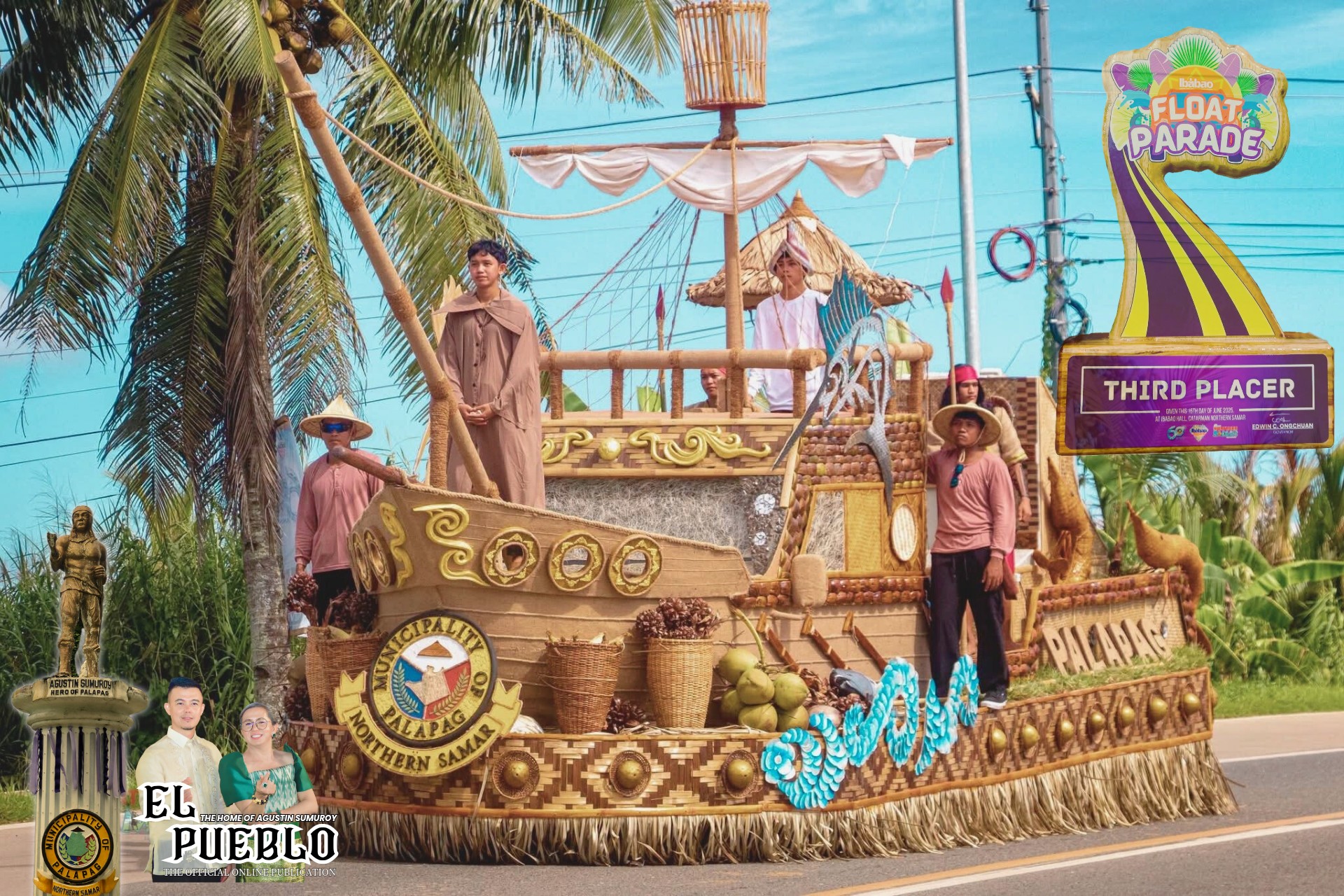
If there is one festival in Northern Samar that captures the fierce love for freedom of the Waray people, it is the Sumuroy Festival in Palapag. Celebrated every June 1, this event honors Juan Sumuroy, a local hero who led a rebellion against Spanish colonial rule in 1649.
This was not just any uprising. Sumuroy’s revolt was sparked by resistance to polo y servicio, the forced labor imposed on Filipino men. His bravery resonated far beyond Palapag and inspired similar revolts in other parts of the country. The festival that bears his name is both a celebration and a remembrance.
During the Sumuroy Festival, history is brought back to life through dramatic reenactments of the rebellion. Locals dress in period costumes, portraying Spanish soldiers, villagers, and revolutionaries. These performances are emotional and powerful, especially when staged in places tied to the actual events.
There are also parades and commemorative rites that honor Sumuroy and other unnamed heroes who stood up against oppression. What stands out is how deeply personal the festival feels. This is not distant history taught from textbooks. It is a shared memory passed down through families, reminding everyone that courage and resistance are part of Northern Samar’s identity.
Agta Festival in Bobon
The Agta Festival in the town of Bobon is one of the most energetic and visually striking celebrations in the province. Held on the second Sunday of January, it is Northern Samar’s version of the Ati-Atihan and is a religious tribute to the Santo Niño.
Participants paint their faces and bodies black and wear indigenous-inspired attire to represent the Agta or Aeta, believed to be among the earliest inhabitants of the island. As the drums start beating, dancers flood the streets, moving in rhythm, chanting, and offering prayers to the Holy Child.
The atmosphere during the Agta Festival is electric. It is loud, joyful, and deeply spiritual at the same time. You will see people of all ages dancing together, from young children to elders, all united by faith and tradition.
What makes this festival meaningful is how it blends devotion with cultural remembrance. While it honors the Santo Niño, it also acknowledges the island’s earliest communities. It becomes a reminder that Northern Samar’s story did not begin with colonization, but long before that.
Bankaton Festivals in Lavezares
Lavezares is a coastal town where life revolves around the sea, and its festivals clearly reflect this deep connection. The town celebrates two major events that honor both faith and livelihood.
Later in the year, usually during the third week of June, Lavezares celebrates the Bankaton Festival. This is a lively boat racing event that highlights the seafaring skills of the locals. Teams compete in fast-paced races, cheered on by crowds lining the shore.
The Bankaton Festival is a thanksgiving for the bounty of the sea. It celebrates not only physical strength and teamwork but also the community’s dependence on the ocean for food and livelihood. After the races, the town comes together for food, music, and shared celebration.
The Living Spirit of Northern Samar
What ties all these festivals together is the unmistakable Waray spirit. It is a spirit shaped by storms, by history, and by a deep sense of faith. The people of Northern Samar know hardship, but they also know how to celebrate life with sincerity and strength.
These festivals are not polished performances created only for tourists. They are living traditions that continue because they matter to the people who celebrate them. Each dance step, drumbeat, and procession carries meaning rooted in everyday life.
Visiting Northern Samar during festival season allows you to see the province at its most open and expressive. You are welcomed into communities that are proud of their stories and eager to share them. You will find that the celebrations are not just something to watch. They invite you to feel, reflect, and participate.
In Northern Samar, festivals are reminders of who the people are and what they have survived. They honor heroes, give thanks for blessings, and strengthen the bonds that hold communities together. To experience them is to understand why the Waray people remain unbowed, faithful, and joyful through the centuries.
If you ever find yourself in Northern Samar during one of these festivals, take the time to stay, listen, and join the celebration. You may arrive as a visitor, but you will leave with a deeper appreciation of a province whose heart beats loudly through its festivals.
Frequently Asked Questions About Festivals in Northern Samar
1. What is the best time of year to visit Northern Samar for festivals?
The best time to visit Northern Samar for festivals is between January and June. January is perfect if you want to experience the lively Agta Festival in Bobon or the fluvial Embarkasyon Festival in Lavezares. June is especially festive, with major events like the Ibabaonon Festival in Catarman and the Sumoroy Festival in Palapag. This period gives visitors a rich mix of religious, historical, and cultural celebrations.
2. Are Northern Samar festivals tourist-friendly for first-time visitors?
Yes, very much so. While these festivals are deeply rooted in local traditions, they are welcoming and easy to enjoy even if it is your first visit. Locals are generally friendly and happy to explain what is happening, whether it is a street dance, a historical reenactment, or a fluvial procession. You do not need special knowledge to appreciate the celebrations, just curiosity and respect.
3. What makes the Ibabaonon Festival different from other provincial festivals?
The Ibabaonon Festival stands out because it brings together all the municipalities of Northern Samar in one grand celebration. It feels like a reunion of the entire province rather than just a single town fiesta. Each municipality presents its own identity through dance, costumes, and products, making it a powerful showcase of unity and local pride.
4. Are the festivals in Northern Samar mostly religious or historical?
They are actually a blend of both, with a strong sense of thanksgiving woven in. Some festivals, like the Agta Festival and Embarkasyon, are deeply religious. Others, such as the Sumoroy Festival, focus on history and heroism. Even the more festive events like boat races and street dances often carry themes of gratitude for blessings from the land and sea.
5. What should visitors keep in mind when attending these festivals?
Visitors should come with an open mind and a respectful attitude. Many of these festivals are meaningful to the local community, so it helps to observe customs, ask politely before taking close-up photos, and follow local guidelines during religious events. Comfortable clothing, sun protection, and patience with crowds will also make the experience more enjoyable.