The smell of freshly steamed rice cakes has a way of bringing people together.
A tray of warm puto placed on the table rarely stays untouched for long. Someone prepares coffee, another person opens a container of grated coconut and, within minutes, an ordinary afternoon snack becomes a small family gathering.
In Imus City, Cavite, native rice delicacies once took center stage through the Kakanindayog Festival.
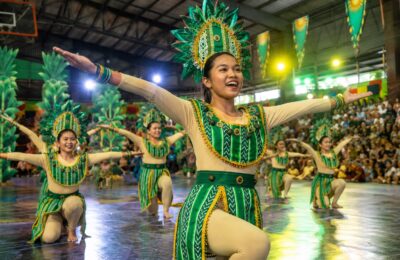
The celebration combined food, faith and movement. Streets filled with dancers wearing costumes inspired by rice cakes, cooking tools and local ingredients. Floats carried oversized representations of native delicacies, while food mascots and towering higantes entertained spectators.
At the heart of the festival was puto lansong, one of the rice delicacies most closely associated with Imus.
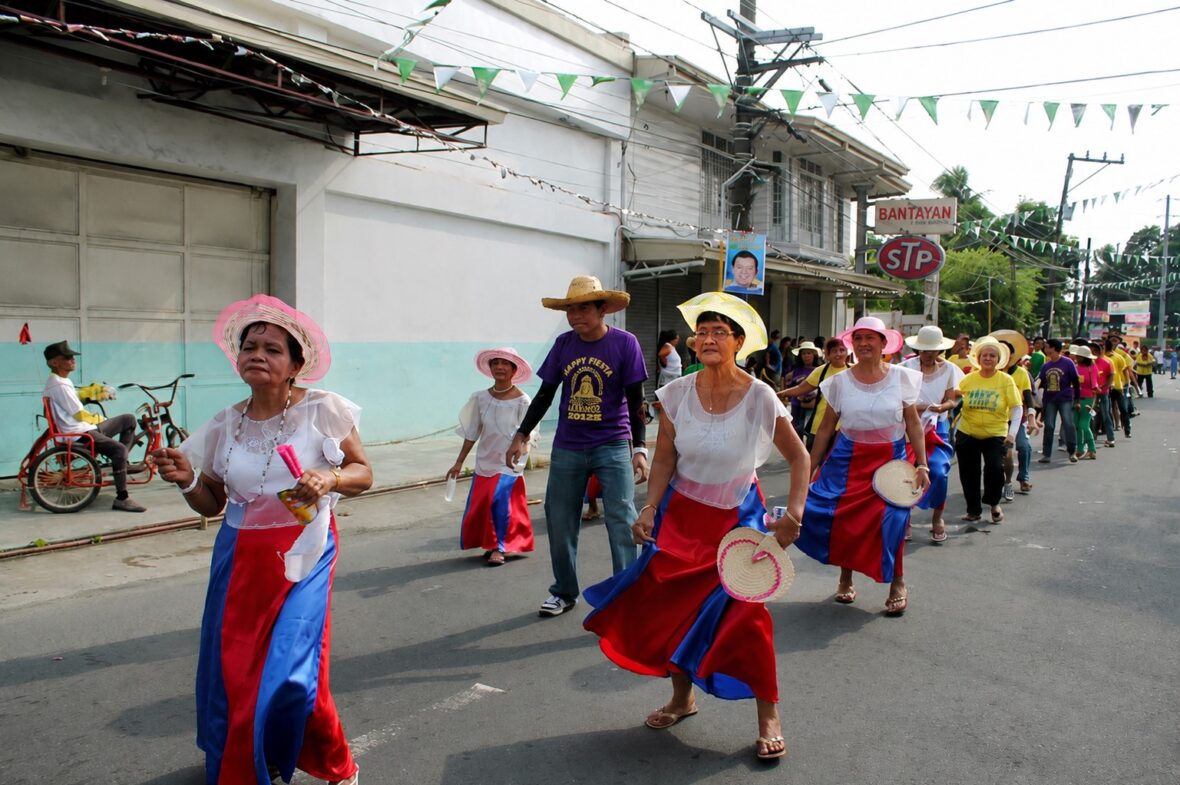
The celebration also formed part of the city’s October fiesta season honoring Nuestra Señora del Pilar, affectionately called Nana Pilar by Imuseños. Alongside food-centered activities, devotees participated in the traditional karakol, dancing through the streets as an expression of thanksgiving and devotion.
Although recent October programs in Imus have generally been promoted under names such as Fiesta ng Imus, Karakol ng Imus, Pillar Festival and the ImuSarap at Saya Food Bazaar, Kakanindayog remains part of the city’s documented festival heritage and culinary identity.
For visitors, its story offers a meaningful introduction to Imus beyond its revolutionary landmarks. It shows how rice, coconut, sugar, community labor and religious devotion can come together in one distinctly Caviteño celebration.
Content
What Is the Kakanindayog Festival?
Kakanindayog Festival is a traditional October celebration associated with Imus City, Cavite.
It was organized to promote the city’s native rice delicacies, especially puto lansong, while honoring Nuestra Señora del Pilar and commemorating Imus’ founding-anniversary season. Festival descriptions identify street dancing, food presentations and the traditional karakol procession among its defining activities.
Earlier editions included:
- Kakanin-inspired street dancing
- A grand parade
- Food-themed floats
- Higantes and food mascots
- Culinary displays
- Giant puto lansong presentations
- Local-product fairs
- Karakol and religious activities
- Programs connected with the Imus fiesta
A documented 2008 edition featured a float parade promoting local delicacies, street-dancing performances by Imus secondary schools, higantes, food mascots and the ceremonial slicing of a giant puto lansong.
The festival presented kakanin not merely as food but as part of Imuseño culture.
Every tray represented local ingredients, household skills and recipes passed between generations. By transforming those foods into costumes, dances and public exhibits, Imus gave everyday delicacies a place in the city’s cultural calendar.
What Does “Kakanindayog” Mean?
The festival name combines the words kakanin and indayog.
Kakanin refers to Filipino delicacies generally prepared from rice or glutinous rice. Many varieties also use coconut milk, grated coconut, sugar and other local ingredients.
Indayog means rhythm, swaying or graceful movement.
The name can therefore be understood as kakanin moving to the rhythm or the rhythm of native delicacies.
It is a fitting title for a festival in which food is interpreted through dance.
A rice cake cannot literally perform in the street, but dancers can represent its ingredients, preparation and cultural meaning. Costumes may resemble rice grains, coconut leaves, woven trays and colorful delicacies, while choreography depicts grinding, mixing, steaming, wrapping and serving.
The festival name turns cooking into movement.
Is Kakanindayog Still an Active Standalone Festival?
Kakanindayog continues to appear in Imus tourism descriptions as a recognized local festival held during October and associated with puto lansong, Nana Pilar and the city’s fiesta traditions.
However, recent official October celebrations have generally used different event names.
In 2024, the city promoted the ImuSarap at Saya Food Bazaar during the feast of Nuestra Señora del Pilar. In 2025, the religious calendar featured the Fiesta del Pilar, the 45th Karakol ng Diyosesis ng Imus and the fourth Pillar Festival.
This suggests that Kakanindayog now functions partly as a legacy festival identity whose food, fiesta and karakol elements continue through newer October programs.
It would be misleading to promise visitors that a full Kakanindayog street-dancing competition is automatically staged every year.
As of July 2026, I could not verify a separately published official Kakanindayog Festival 2026 program. Imus’ October 2026 schedule had also not yet been completed in the official sources available at the time of writing.
Travelers should look for announcements carrying any of these names:
- Fiesta ng Imus
- Fiesta del Pilar
- Karakol ng Imus
- Pillar Festival
- ImuSarap at Saya Food Bazaar
- Kakanindayog
- October service-month activities
The cultural tradition remains relevant, but the branding and format can change.
Why Kakanin Is Important in Filipino Culture
Kakanin is closely connected with Filipino gatherings.
Rice delicacies are served during birthdays, fiestas, Christmas celebrations, wakes, family reunions and ordinary merienda. A household may prepare them as an offering, a gift for neighbors or food for guests arriving throughout the day.
The word kakanin is generally linked with kanin, meaning cooked rice.
However, not every kakanin looks like ordinary rice. Grains may be soaked, ground, pounded, mixed with coconut milk or transformed into flour before being steamed, boiled, baked or grilled.
Common ingredients include:
- Glutinous rice
- Ordinary rice
- Coconut milk
- Grated coconut
- Brown or white sugar
- Banana leaves
- Food coloring
- Ube
- Cassava
- Mung beans
- Sesame seeds
The exact recipe depends on the delicacy and region.
Kakanin also reflects cooperation.
Traditional preparation can require soaking rice overnight, grinding it, squeezing coconut milk, preparing leaves, controlling a wood-fired steamer and watching several batches for hours.
One person can do the work, but families often share the tasks.
That collective effort makes kakanin especially appropriate for a community festival.
Puto Lansong: The Signature Delicacy of Imus
The delicacy most strongly associated with Kakanindayog is puto lansong, also written in some sources as puto lunsong.
Imus tourism materials continue to identify it as one of the city’s best-known local foods and an important part of the Kakanindayog tradition.
Puto lansong is a steamed rice cake traditionally prepared in a large round form rather than as the small individual pieces commonly associated with ordinary puto.
It may be sliced into triangular or rectangular portions before serving.
Depending on the household recipe, its texture can be dense, soft and slightly chewy. The flavor is generally mild, allowing it to pair well with grated coconut, sugar, coffee, hot chocolate or savory dishes.
The delicacy’s simple appearance hides the work required to produce a good batch.
Rice must be prepared properly, the batter should have the correct consistency and the steamer must maintain enough heat to cook the cake evenly without making it excessively wet or dry.
Why Is It Called Puto Lansong?
The name is commonly associated with the traditional steaming vessel or cooking method used to prepare the delicacy.
A large circular steamer allows the batter to be cooked as one broad rice cake. This distinguishes puto lansong from smaller puto varieties placed in individual molds.
The exact spelling varies in local and provincial references.
You may encounter:
- Puto lansong
- Puto lunsong
- Putolansong
Imus City Tourism commonly uses puto lansong, making it the most practical spelling for a modern travel article.
Rather than focusing too heavily on spelling differences, visitors should appreciate the delicacy as a living household tradition. Recipes, proportions and toppings may vary among makers.
How Puto Lansong Is Traditionally Prepared
Recipes differ, but preparation generally involves several basic stages.
Preparing the Rice
Rice is cleaned and soaked to soften the grains.
Traditional cooks may grind the soaked rice into a smooth batter. Modern producers may use prepared rice flour, although the resulting texture can differ from freshly ground rice.
Making the Batter
The rice mixture is combined with water, coconut milk, sugar or other ingredients according to the family recipe.
The batter must be thick enough to hold together but fluid enough to spread across the steaming pan.
Preparing the Steamer
The cooking surface may be lined with cloth, leaves or another material intended to prevent sticking and allow steam to circulate.
The batter is poured into a broad circular layer.
Steaming
The cake is steamed until the center is completely cooked.
Because the puto is large, heat management matters. The outer portion may cook before the center when the steamer is too hot or the layer is too thick.
Cooling and Slicing
The finished puto is allowed to cool enough to hold its shape.
It is then sliced and served with grated coconut, sugar or another accompaniment.
The best time to eat it is usually while it remains fresh and soft.
Giant Puto Lansong
One of the most memorable attractions from earlier Kakanindayog editions was the presentation and slicing of a giant puto lansong.
A giant food display creates an immediate visual attraction. It also allows many residents and visitors to share the city’s signature delicacy during one public event.
The 2008 festival included the slicing of an oversized puto lansong alongside food-themed floats, higantes and street dancers.
Producing a large rice cake creates practical challenges.
Organizers must consider:
- Even cooking
- Food-safe preparation
- Protection from dust and handling
- Proper slicing
- Serving utensils
- Crowd control
- Safe holding temperature
- Distribution time
The finished delicacy should not remain exposed for hours simply for photographs.
A food celebration succeeds only when the product is both impressive and safe to eat.
Kakanin-Themed Street Dancing
Street dancing gave Kakanindayog its movement and color.
Performers represented schools, barangays and community organizations. Their costumes drew inspiration from native delicacies, rice farming and traditional cooking.
Common visual elements could include:
- White fabric representing rice
- Green banana-leaf patterns
- Brown and gold coconut-shell details
- Pink, purple and yellow kakanin colors
- Woven baskets and trays
- Cooking-pot props
- Oversized rice grains
- Food-shaped headdresses
- Farmers’ hats and traditional clothing
The choreography often followed the journey from field to table.
Some dancers portrayed farmers planting or harvesting rice. Others represented cooks grinding grains, mixing batter and steaming delicacies.
The final formation became a fiesta scene in which food was shared with the community.
This kind of performance helps audiences understand that kakanin does not begin inside a plastic container at a market stall.
It begins with agriculture and ends with people gathering around a table.
Food Mascots and Higantes
Earlier Kakanindayog parades included higantes and food mascots.
A mascot could transform a familiar delicacy into a cheerful festival character. Large eyes, smiling faces and exaggerated shapes made rice cakes recognizable to children watching from the roadside.
Higantes added another visual layer.
These oversized papier-mâché figures could portray cooks, farmers, vendors or traditional Imuseño characters. A performer carried the lightweight structure from inside, making the giant appear to walk and dance.
Creating these figures required knowledge of:
- Frame construction
- Papier-mâché
- Painting
- Fabric work
- Balance
- Ventilation
- Safe movement
The people operating them had limited visibility and needed enough room to turn.
Spectators should never pull a higante’s clothing or walk directly in front of it during a parade.
Food-Themed Floats
Festival floats offered participating groups an opportunity to build entire scenes around Imus cuisine.
A float might show:
- A traditional kitchen
- A large steaming pot
- A rice field
- Coconut trees
- A market stall
- A family preparing kakanin
- A giant tray of puto lansong
- Nana Pilar blessing the community
Food-shaped decorations needed to be large enough for spectators to recognize from a distance.
Designers used fabric, foam, paint, bamboo and recycled materials to imitate rice cakes without placing large amounts of real food under the sun.
The strongest floats did more than display oversized delicacies.
They showed the relationship between food, family, labor and faith.
Nuestra Señora del Pilar: Nana Pilar of Imus
Kakanindayog was connected with the October feast of Nuestra Señora del Pilar, the patroness of Imus and the Diocese of Imus.
Imuseños affectionately call her Nana Pilar.
Her principal feast day is October 12, and the annual celebration includes Masses, processions and karakol.
The Diocese of Imus traces the local devotion to an image brought to Cavite by Augustinian Recollect missionaries in the 17th century. The image is now enshrined at the Diocesan Shrine and Parish of Our Lady of the Pillar in central Imus.
Nana Pilar received a canonical coronation in December 2012, a formal distinction granted under papal authority to particularly venerated sacred images.
For devotees, the October fiesta is not simply a city entertainment program.
It is a period of prayer, gratitude and renewed devotion.
Karakol ng Imus
The karakol is one of the most important traditions associated with the Imus fiesta.
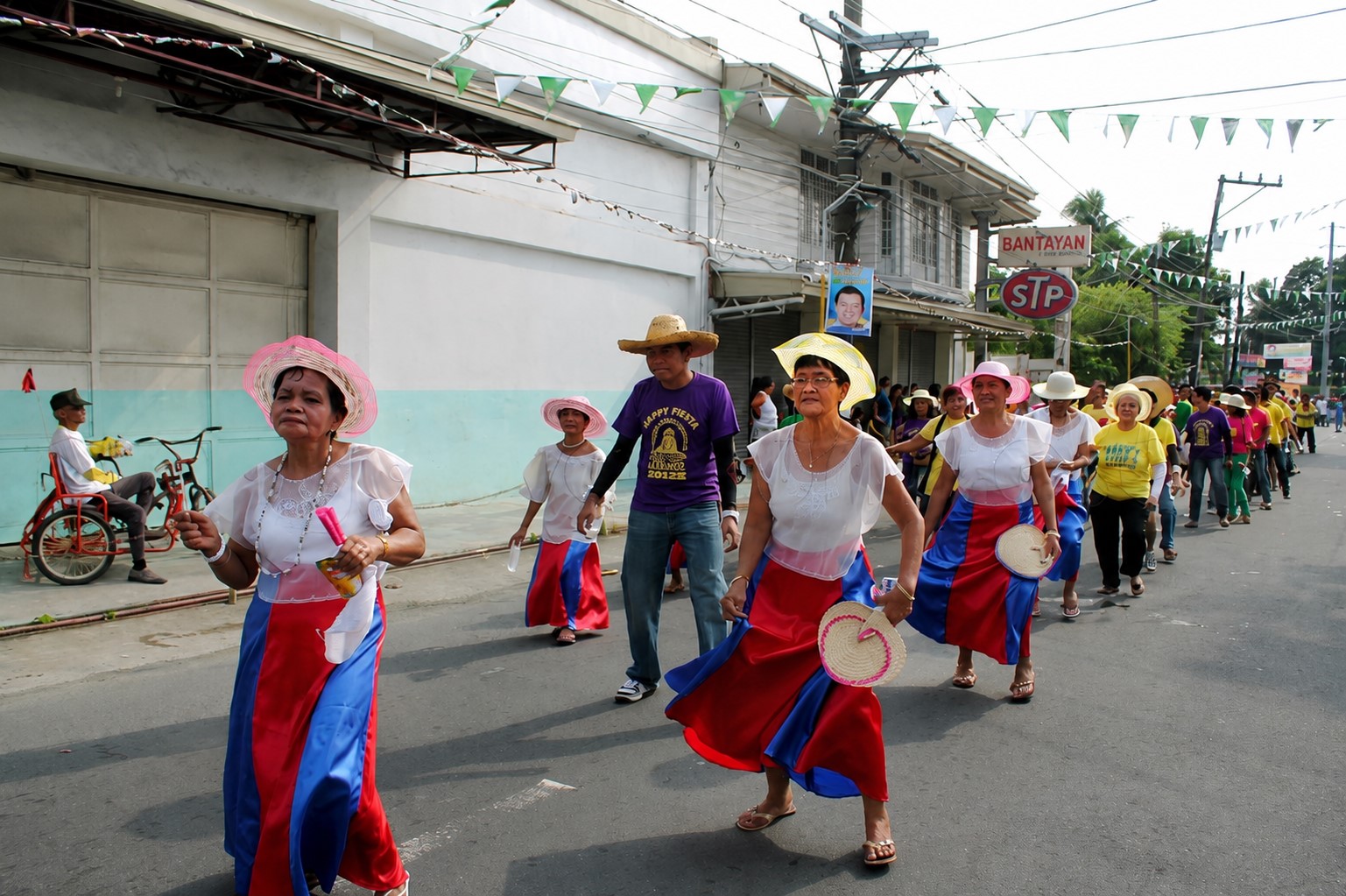
During the procession, devotees dance while accompanying the image of Nana Pilar through the streets. Brass-band music provides the rhythm, and participants offer their movement as thanksgiving, petition or fulfillment of a personal promise.
The City Government described the 2022 Karakol ng Bayan as an annual expression of gratitude and devotion led by the shrine and parish community.
The tradition remained active in 2025, when Imus held the 45th Karakol ng Diyosesis ng Imus on October 11, the eve of the feast.
Karakol should not be confused with an ordinary street-dancing contest.
Participants may wear coordinated clothing and move to lively music, but the religious image remains the center of the procession.
Visitors should avoid blocking the andas, walking backward directly in front of devotees or interrupting prayers for a photograph.
Why Food and Faith Belong Together
Food and religious fiestas have always been closely connected in the Philippines.
Families prepare their best dishes when celebrating a patron saint. Tables are opened to relatives, neighbors and unexpected visitors.
The meal becomes part of the thanksgiving.
In Kakanindayog, local delicacies represented the material blessings received by the community, while karakol and religious activities expressed gratitude through faith.
These are not separate ideas.
Rice, coconut and sugar come from agricultural work. A successful harvest depends partly on human effort and partly on conditions people cannot control completely.
Farmers can prepare the land, but storms, drought, pests and changing prices can still affect the outcome.
A festival meal recognizes both the work and the uncertainty.
October as Service Month in Imus
Imus also observes October as a period of civic and community programs connected with the feast of Nana Pilar.
The city’s official heritage page describes October as Service Month, during which local programs and activities are offered in the spirit of the patroness’s generosity.
This expands the meaning of the fiesta.
The celebration is not limited to parades and entertainment. It can include projects intended to assist residents, recognize community service and bring public programs closer to different barangays.
That spirit fits the traditional culture of kakanin.
Native delicacies are rarely prepared only for the person cooking them. They are sliced, wrapped and distributed.
Service Month applies the same principle to the wider city: blessings are meant to be shared.
Food Bazaars in Modern Imus Fiesta Celebrations
Although recent celebrations have not always used the Kakanindayog name, food remains an important part of the October fiesta.
During Fiesta ng Imus 2024, the city opened the ImuSarap at Saya Food Bazaar on October 9 and 10, featuring food prepared by Imuseño businesses and vendors.
Food bazaars allow a broader range of businesses to participate.
Visitors may encounter:
- Native rice delicacies
- Pastries
- Rice meals
- Grilled food
- Drinks
- Local snacks
- Home-based food brands
- Modern interpretations of Caviteño dishes
The format may look more contemporary than the older Kakanindayog parade, but it continues the festival’s goal of giving visibility to Imus food.
A bazaar also allows small producers to test products and meet customers without immediately opening a permanent store.
Other Kakanin to Look For
Puto lansong may be the featured Imus delicacy, but a food fair can introduce visitors to a wider selection of Filipino kakanin.
Bibingka
Bibingka is traditionally baked in a clay oven lined with banana leaves.
Common toppings include salted egg, cheese, butter, sugar and grated coconut.
Kutsinta
Kutsinta is a soft, chewy steamed rice cake with a brown or orange color.
It is commonly served with freshly grated coconut.
Sapin-Sapin
Sapin-sapin is made in colorful layers, often using coconut milk and glutinous rice flour.
Flavors may include ube, coconut and jackfruit.
Biko
Biko combines glutinous rice, coconut milk and brown sugar.
It may be topped with latik or a thick coconut caramel.
Suman
Suman is glutinous rice wrapped in banana or palm leaves before steaming.
It can be eaten with sugar, coconut caramel, ripe mango or hot chocolate.
Puto Bumbong
Puto bumbong is associated particularly with the Christmas season.
Purple glutinous rice is traditionally steamed inside bamboo tubes and served with butter, sugar and grated coconut.
Availability at an October event depends on the participating vendors.
How to Buy Fresh Kakanin
Kakanin is generally best eaten fresh.
Because many varieties contain coconut milk or grated coconut, they can spoil more quickly than dry biscuits or packaged snacks.
When buying, check:
- Whether the product is covered
- Whether serving utensils are used
- How long it has been displayed
- Whether the coconut smells fresh
- Whether the packaging is clean
- Whether refrigeration is required
- The recommended consumption date
Avoid kakanin with a sour or fermented smell unless fermentation is intentionally part of the recipe.
Do not leave coconut-rich delicacies inside a hot vehicle for several hours.
An insulated bag can help during a long journey, but refrigeration remains necessary for products requiring cold storage.
Where Is the Celebration Held?
Kakanindayog and related October fiesta activities have historically been centered around Imus City Plaza, the cathedral and roads in the old city center.
Recent Karakol ng Imus and Fiesta del Pilar programs continue to use the Diocesan Shrine and Parish of Our Lady of the Pillar and surrounding central Imus areas.
Food bazaars, concerts and civic programs may use separate venues.
Before traveling, confirm:
- The cathedral Mass schedule
- Karakol assembly area
- Procession route
- Food-bazaar location
- Street closures
- Concert or stage venue
- Parking areas
- Public-transport drop-off points
Imus is a large city. A program in Vermosa, Malagasang, Alapan or the old poblacion may require a completely different route.
When Is Kakanindayog Celebrated?
Traditional references place Kakanindayog in October, usually within the fiesta and founding-anniversary season.
A widely reported edition was held on October 9, 2008, while an October 9 date was also listed for the 2016 festival.
The major religious dates remain more consistent:
- October 11: Traditional karakol and fiesta-eve activities
- October 12: Feast of Nuestra Señora del Pilar
In 2025, the wider Fiesta del Pilar calendar began in early October and continued until October 25, including the fourth Pillar Festival, novena activities, the feast and a procession of replica images.
For 2026, wait for official announcements from the City Government of Imus, Imus City Tourism and the Diocese of Imus.
How to Get to Imus from Metro Manila
From PITX
PITX is one of the most convenient starting points for commuters traveling to Imus.
Buses traveling toward Dasmariñas, Trece Martires, Tagaytay, Mendez, Alfonso and Nasugbu use Aguinaldo Highway and pass through Imus. PITX also accommodates modern jeepney and bus routes serving different parts of Cavite.
For the cathedral and old city center, tell the conductor that you are going to Imus Bayan, Imus Cathedral or the current fiesta venue.
Do not simply say “Imus.”
A vehicle may drop you along Aguinaldo Highway, while the cathedral is located inside the historic center. You may need to take a jeepney, multicab or tricycle for the final portion.
From Bacoor
Take a jeepney or bus traveling south along Aguinaldo Highway toward Imus or Dasmariñas.
Ask for the nearest drop-off point to Imus Bayan.
During the karakol, some roads near the cathedral may be closed and public vehicles may use temporary routes.
From Alabang or Las Piñas
Routes through Daang Hari, Molino and nearby roads can serve western and southern sections of Imus.
For the cathedral, you may need to transfer to another local vehicle after reaching a major Imus road.
By Private Vehicle
Imus is accessible through Aguinaldo Highway, Daang Hari, Open Canal Road and connecting roads from Bacoor, General Trias and Dasmariñas.
Use live navigation, but follow traffic personnel during fiesta closures.
Parking around the cathedral and city plaza can become extremely limited. Park only in authorized areas and prepare to walk.
Practical Tips for Visitors
Verify the Event Name
Do not expect every October program to be advertised as Kakanindayog.
Look for Fiesta ng Imus, Fiesta del Pilar, Karakol, Pillar Festival and food-bazaar announcements.
Arrive Early
The streets around the cathedral can become crowded before the karakol begins.
Early arrival also gives you time to explore food stalls before popular products sell out.
Bring Cash
Small kakanin vendors and temporary booths may not accept cards.
Bring small bills to make transactions easier.
Carry a Food Container or Reusable Bag
Kakanin can be delicate.
A rigid container prevents soft rice cakes from being crushed during the journey home.
Ask About Storage
Find out whether your purchase should be refrigerated and when it should be eaten.
Wear Comfortable Shoes
You may need to walk from the highway or a temporary transport stop.
Respect Religious Activities
Keep voices low inside the cathedral and avoid blocking the karakol route.
Watch Children Around the Parade
Higantes, floats and marching bands require space to move safely.
Prepare for October Rain
Bring a compact umbrella or raincoat.
Protect food purchases from moisture.
Bringing Children to the Festival
Kakanindayog can become an enjoyable food-and-culture lesson for children.
Show them how rice can become many different delicacies.
Explain that puto lansong, kutsinta, biko and suman may begin with similar basic ingredients but become different foods because of preparation, proportion and cooking methods.
Children can also learn about:
- Rice farming
- Coconut products
- Steaming
- Banana-leaf wrapping
- Traditional markets
- Religious fiestas
- Karakol
- Community sharing
Keep them away from hot steamers, cooking equipment and moving parade vehicles.
Ask vendors before allowing a child to touch food displays or decorations.
Nearby Attractions in Imus
Diocesan Shrine and Parish of Our Lady of the Pillar
The shrine is the most important place for understanding the religious side of the festival.
It houses the venerated image of Nana Pilar and celebrates her feast every October 12.
Attend respectfully and confirm current Mass schedules.
Imus City Plaza
The plaza is part of the city’s traditional civic and fiesta center.
Public programs, performances and community gatherings may be held here during October.
Imus Historical Museum
The museum presents important episodes from Imus’ revolutionary past.
Check current operating hours before traveling, especially when roads are closed for fiesta activities.
Battle of Imus Site
The Battle of Imus was an important Filipino victory during the Philippine Revolution.
Its memorials help visitors understand why Imus is remembered not only for food and religious devotion but also for its contribution to the struggle for independence.
Battle of Alapan Site and Heritage Park
The Battle of Alapan took place on May 28, 1898.
The victory is associated with the first unfurling of the Philippine flag following battle, which supports Imus’ identity as the Flag Capital of the Philippines.
A visit allows travelers to connect the city’s October culinary traditions with its better-known May historical celebrations.
Why the Festival Matters
Kakanin businesses often begin at home.
A family may prepare rice cakes before sunrise, sell them through neighborhood orders and gradually build a loyal customer base.
These producers face several challenges:
- Rising ingredient prices
- Short product shelf life
- Competition from commercial snacks
- Limited packaging
- Inconsistent market access
- Fewer young people learning the recipes
- Loss of agricultural land
- Changing consumer habits
A festival creates visibility.
It gives traditional makers an opportunity to meet new customers, demonstrate their food and remind younger residents that local delicacies are part of the city’s identity.
Even when the formal Kakanindayog program is not staged in its original format, October food bazaars can continue supporting the same purpose.
Preserving Recipes Through Practice
A recipe does not survive simply because it is written on paper.
Traditional cooks understand details that are difficult to express through exact measurements.
They know:
- How soaked rice should feel
- When coconut milk is too thin
- Whether the steamer is hot enough
- How to recognize cooked batter by smell
- How long the puto should cool
- Which banana leaves are suitable for wrapping
This knowledge develops through repetition.
Younger family members need opportunities to watch, assist and eventually prepare the food themselves.
A festival can encourage that transfer by giving traditional products public value.
When residents see that people still appreciate puto lansong, they have another reason to keep making it.
Kakanin in a Rapidly Urbanizing City
Imus has changed from an agricultural town into a densely populated and highly urbanized city.
New subdivisions, commercial areas and roads continue to reshape the landscape.
Many residents now buy food through malls, supermarkets and delivery apps rather than from neighborhood producers.
Kakanindayog preserves a connection with an older food system.
It recalls a time when rice cakes were made at home, wrapped by hand and delivered personally to neighbors or sold in the public market.
Preserving that tradition does not require rejecting modern life.
Local producers can use improved packaging, digital marketing and delivery services while protecting the taste and story of their food.
The goal is not to keep kakanin frozen in the past.
It is to help it remain meaningful in the present.
More Than a Rice Cake Festival
Kakanindayog may appear to be about food, but its meaning is broader.
It is about farmers who produced the rice and coconuts.
It is about home cooks who transformed those ingredients into delicacies. It is about dancers who carried the food story into the streets and devotees who expressed thanksgiving through karakol.
It is also about a city balancing two strong identities.
Imus is known for revolution and the Philippine flag, but it is also a place of family recipes, fiesta tables and devotion to Nana Pilar.
Kakanindayog brings those quieter traditions into public view.
Final Thoughts
The Kakanindayog Festival is one of Imus City’s most flavorful cultural traditions.
Its earlier editions transformed native rice delicacies into street dances, floats, food mascots and giant displays. At the center was puto lansong, a simple but meaningful rice cake connected with Imuseño households and celebrations.
The festival was also closely tied to the October feast of Nuestra Señora del Pilar.
Through karakol, residents expressed thanksgiving not only with words but with music and movement.
The Kakanindayog name may not appear prominently in every modern October calendar. Recent celebrations have used newer formats such as Fiesta ng Imus, Pillar Festival and the ImuSarap at Saya Food Bazaar.
Yet the tradition continues whenever an Imuseño prepares puto lansong, sells kakanin at a city fair or shares food with visitors during Nana Pilar’s feast.
Attend the October celebrations to experience the karakol, visit the shrine and explore the food stalls.
Bring home puto lansong when available, but ask how it was prepared and how soon it should be eaten.
Most importantly, appreciate the people behind every slice.
Rice cakes may look simple once they reach the table, but they carry agricultural work, family knowledge and hours of careful preparation.
Through Kakanindayog, Imus reminds us that food does more than satisfy hunger.
It preserves memory, expresses gratitude and keeps a community moving together in rhythm.