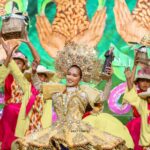
When you think of the Philippines, you might picture vibrant, colorful festivals filled with music and dancing. And while that’s a big part of the country’s spirit, some places offer a different kind of celebration, one that is deeply personal, historically rich, and a beautiful reflection of its people’s way of life. That’s what you’ll find in Sulu.
Sulu is a province with a proud and storied past, a place where life is intertwined with the sea. Its people, primarily the Tausug, have a culture that has been shaped by their seafaring heritage and strong Islamic faith. Their festivals aren’t always about public parades or big tourist crowds. Instead, they’re about celebrating their history, their faith, and their resilience. It’s a chance to see a culture truly thriving.
Let’s take a look at the celebrations that define this fascinating corner of the Philippines. While some of the large public festivals may not have a fixed annual date, the traditional celebrations that happen year-round offer a unique glimpse into the heart of the Tausug people.
Content
The Vinta Festival: A Tribute to the Sea
The most well-known festival associated with Sulu is the Vinta Festival. Even if you’ve never been to the province, you might have seen a picture of a vinta. It’s a traditional Tausug sailboat, instantly recognizable by its beautiful, multi-colored, striped sail. These sails are not just for looks. They are a symbol of the rainbow and the Tausug people’s close relationship with the sea, which has been their highway and their home for centuries.
The Vinta Festival is a beautiful tribute to this maritime heritage. It honors the skill and artistry of the Tausug seafarers and the resilience that has defined their culture. When it is celebrated, the main event is a stunning flotilla of these vinta sailboats. They parade and race along the coast, their sails a vibrant splash of color against the blue sea. It’s a breathtaking sight that captures the spirit of a people whose life is one with the waves.
While the festival is a powerful symbol of Sulu’s heritage, it’s important to know that its large-scale public celebration doesn’t have a fixed, annual date in Sulu itself. Due to a complex history, it has found a more regular home in nearby Zamboanga City, but its heart and soul truly belong to the Tausug people of Sulu. When it does happen in Sulu, it’s a major event, often held in the provincial capital of Jolo, and is accompanied by cultural performances and displays of traditional crafts that showcase the artistic talent of the community.
Rajah Baguinda Festival: Honoring a Historical Legacy
The Rajah Baguinda Festival is celebrated every year in Jolo in honor of Rajah Baguinda, the Muslim missionary prince from Sumatra who played a vital role in spreading Islam in the Sulu archipelago in the 14th century.
This festival is both a cultural and religious event, highlighting the Tausug people’s deep respect for their history and Islamic heritage. It usually takes place in the third week of August and features a variety of activities, including street parades, cultural presentations, and traditional Tausug music and dance performances. Local schools, community groups, and cultural organizations participate, showcasing Tausug pride and unity.
For the Tausug people, the Rajah Baguinda Festival is more than just a commemoration of their past. It is a reaffirmation of their faith, identity, and resilience. By celebrating the life and legacy of Rajah Baguinda, the people of Sulu not only honor their roots but also remind future generations of the strong foundations of their community and culture.

Traditional Tausug Celebrations
While the Vinta Festival may be the most recognizable, the true essence of Sulu’s culture shines brightest in its traditional celebrations. These are not tourist-centered events with set dates on the calendar. Instead, they are deeply woven into the everyday life of the people and happen all year round. Experiencing one of these occasions gives you an intimate look into Tausug life.
Pagkawin: The Tausug Wedding
One of the most significant traditions is Pagkawin, the Tausug wedding ceremony. Unlike modern weddings that may last only a day, Pagkawin is an elaborate celebration that can stretch for several days. It is a grand gathering of families and relatives who come together not just to witness a union but also to honor ties of kinship and friendship.
A Pagkawin is filled with rituals, feasts, music, and traditional dances. Guests are treated to the warmth and hospitality the Tausug are known for, with tables overflowing with local delicacies. For many, it is a powerful reminder of how central family is to Tausug identity. For a visitor, attending a Pagkawin feels less like being an outsider and more like being welcomed into a community.
Maulidin Nabi: Honoring the Birth of the Prophet Muhammad
Another important celebration is Maulidin Nabi, which commemorates the birth of the Prophet Muhammad. For the Tausug people, this day is filled with devotion and reflection. The community comes together for prayers, sermons, and religious gatherings. It is not celebrated with fanfare but with reverence, emphasizing the deep Islamic faith that grounds Tausug life. Families also share meals and open their homes to visitors, strengthening the bonds within the community.
Hariraya Puasa: The End of Ramadan
Hariraya Puasa is one of the most joyful times in Sulu. It marks the end of the holy month of Ramadan and is celebrated with great enthusiasm. The day begins with communal prayers at the mosque, followed by family visits and large feasts. Tables are filled with traditional food, and homes become open spaces where relatives, friends, and neighbors drop by to share in the joy.
It is a time to reflect on the spiritual journey of Ramadan, to celebrate the strength gained from fasting, and to renew bonds with loved ones. The sense of unity during Hariraya Puasa is palpable, as the whole community rejoices together.
Kanduli: A Feast of Gratitude
Kanduli is a Tausug tradition that best reflects the community’s spirit of thanksgiving. The word simply means “feast” or “celebration,” and it can be held for almost any reason. Families may host a Kanduli to celebrate a good harvest, a safe journey, or a milestone like a child’s birth or graduation.
What makes Kanduli so meaningful is its focus on sharing. Food is prepared in abundance, and everyone in the community is welcome to join. The practice reinforces the Tausug values of gratitude, generosity, and unity. To attend a Kanduli is to experience the Tausug way of saying, “Blessings are greater when shared.”
A Culture That Thrives
The festivals and traditions of Sulu are not about grand parades or glittering floats. Instead, they are about life, faith, and heritage. From the colorful sails of the Vinta Festival to the family-centered warmth of a Pagkawin, every celebration tells a story of a people who have endured challenges with strength and grace.
These traditions show a community that is deeply proud of its history, closely connected to the sea, and firmly rooted in its faith. They are a reminder that festivals are not only about entertainment but also about preserving identity, celebrating resilience, and honoring blessings.
For travelers, Sulu’s celebrations offer something rare: authenticity. These are not performances staged for visitors but living traditions that continue to thrive. To witness them is to gain a deeper understanding of the Tausug spirit and to experience a culture that is both rich and resilient.
Final Thoughts
Sulu may not be the first destination that comes to mind when thinking of festivals in the Philippines, but that is exactly what makes it special. Its celebrations are intimate, meaningful, and deeply tied to the daily life of its people. Whether it is the stunning sight of vintas sailing along the coast, the joy of Hariraya Puasa, or the generosity of a Kanduli feast, every moment offers a glimpse into a culture that is both beautiful and strong.
The best festivals in Sulu are not just events to watch. They are experiences that invite you to connect with a proud heritage and a community that celebrates life in all its forms. For anyone seeking to go beyond the postcards and dive deeper into Filipino culture, Sulu is a place that leaves a lasting impression.