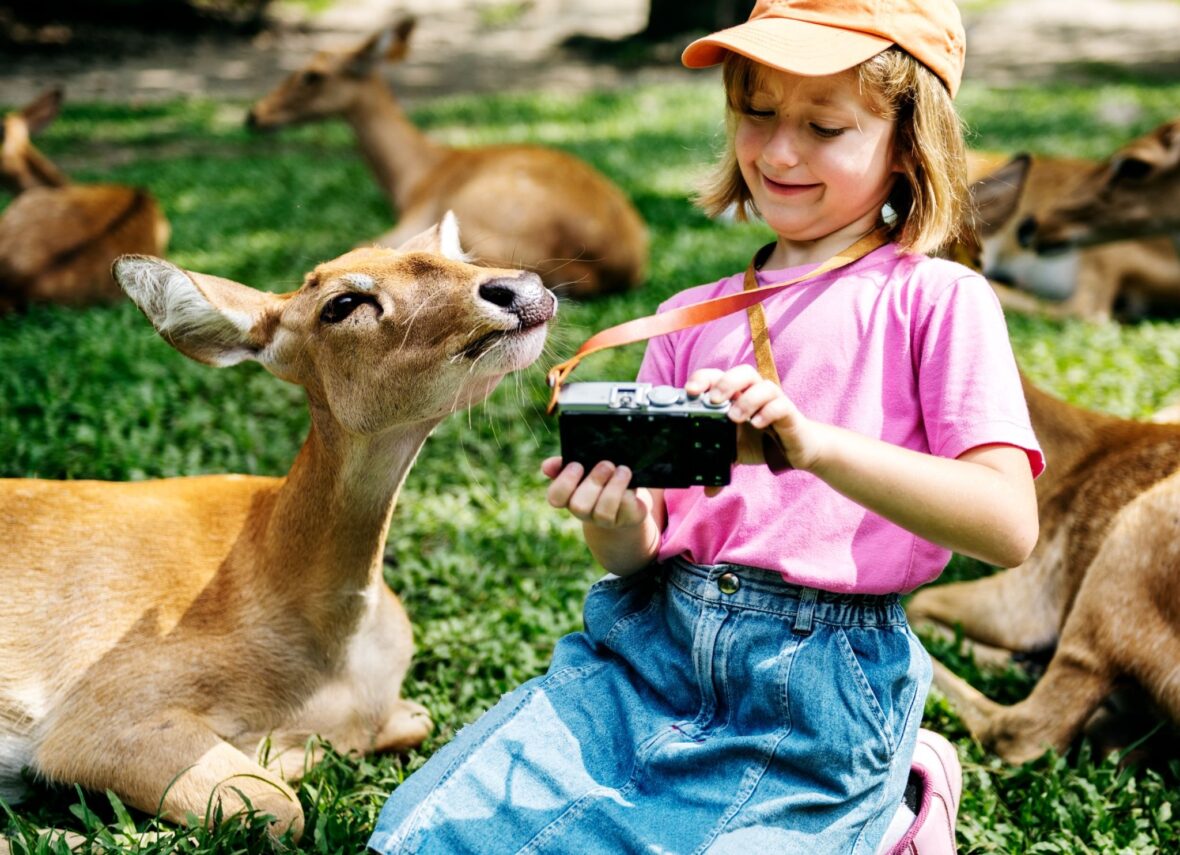
Summer break is one of those rare windows: weeks of open time when kids are genuinely curious, full of energy, and surprisingly receptive to learning something new. For families and educators trying to make those months count, animal care for kids has quietly become one of the most engaging and rewarding directions you can take.
Whether you’re looking into animal care tips at home, hunting for worthwhile summer learning activities, or asking yourself how to turn pet care in summer into a real teaching moment, the options run deeper than most people expect. Educational animal activities build empathy, sharpen a sense of responsibility, and introduce science in the most hands-on, memorable way possible.
Here’s a number that should stop you in your tracks: according to a 2024 Gallup survey, 45% of U.S. children lack structured summer learning opportunities; nearly half of all kids are missing out on exactly the kind of real-world, experiential education that actually sticks. That’s a significant gap. Animal care learning is one of the most accessible ways to close it.
When kids channel their summer curiosity into caring for animals, something meaningful happens. That energy doesn’t just burn off; it becomes a genuine learning tool. Let’s look at exactly why summer creates such ideal conditions for these experiences to take hold.
Content
Why Summer Is the Perfect Time for Animal Care Learning Adventures
Summer gives kids something the school year rarely does: room to breathe. Flexible schedules, outdoor access, and longer days make it far easier for children to engage with animals in unhurried, meaningful ways.
The Natural Connection Between Warm Weather and Hands-On Learning
Outdoor environments come alive in summer. Kids get to observe, interact with, and care for animals in real settings, not through a worksheet or a video. That direct contact isn’t just enjoyable. It’s developmentally rich in ways that are hard to replicate elsewhere.
Experiential Programs Are Growing Fast
Interest in experience-based learning is genuinely rising, and for good reason. A structured animal healthcare summer program can give middle schoolers hands-on access to skills like reading vital signs, following animal care protocols, and visiting zoological facilities—practical exposure that simply doesn’t happen inside a traditional classroom.
Now that you have a sense of why summer is such a powerful window, it’s time to get practical. Great intentions only go so far without the right knowledge behind them.
Top Animal Care Tips for Kids and Families During Summer
Caring for animals well takes real knowledge. Summer is the ideal time to build it. These essentials apply whether you’re managing pets at home or participating in a structured program.
Keeping Pets Safe and Comfortable in the Heat
Pet care in summer means staying ahead of heat-related risks before they become problems. Fresh water should be available at all times. Outdoor animals need shaded resting spots that are genuinely ventilated, not just a covered corner that traps heat and does more harm than good.
Smart, Seasonal Approaches to Animal Feeding
Feeding schedules often need adjusting when temperatures climb. Lighter meals during peak heat hours reduce digestive stress for many animals. Homemade frozen treats; broth ice cubes for dogs, for instance; are both enriching and surprisingly practical.
Eco-Friendly and Creative Pet Care Ideas
DIY cooling mats made from damp towels, shade structures built from recycled materials, and backyard sensory stations all make excellent summer projects. They’re hands-on, genuinely educational, and directly useful for the animals kids are learning to care for. Hard to beat that combination.
With the fundamentals in place, the real fun begins because learning sticks best when it’s creative, hands-on, and just a little bit adventurous.
Creative Educational Animal Activities to Try This Summer
The best learning rarely feels like learning at all. These activities blend skill-building with genuine excitement, keeping kids engaged and curious well into August.
DIY Backyard Habitats and Mini Animal Shelters
Kids can build simple wildlife shelters using recycled cardboard, wood scraps, and natural materials. A small bird nesting box or a butterfly garden teaches animal care tips while connecting children to local ecosystems in a tangible, lasting way.
Interactive Summer Learning Activities with Family Pets
Training sessions, enrichment puzzles, and scent games are all excellent ways to make summer learning activities feel like play. Teaching a dog a new trick, for example, requires patience, careful observation, and real communication; genuine skills wrapped in a fun experience.
Exploring Veterinary Science Summer Program Options
If you’re evaluating structured programs, options range from virtual workshops to hands-on farm and zoo experiences. When assessing a veterinary science summer program, look for direct animal interaction, mentorship from experienced professionals, and a curriculum grounded in actual science.
Beyond building habitats and joining programs, these experiences are quietly shaping something far more valuable: the empathy, resilience, and character that define the next generation of animal advocates.
Developing Lifelong Skills Through Summer Animal Care
The skills kids build through animal care for kids experiences go well beyond feeding schedules and habitat maintenance. They’re practicing consistency, learning to read non-verbal cues, and discovering what genuine responsibility for another living being actually feels like.
Empathy, Responsibility, and Real-World Confidence
Research backs this up clearly. Participants in summer learning programs showed social-emotional learning (SEL) outcomes that were 0.13 SD higher on average, with academic behavior improvements of 0.23 SD (p < .01); concrete evidence that these experiences shape whole kids, not just skill sets.
Teamwork and Leadership Through Group Animal Projects
Group care projects; managing a community garden that supports pollinators, collaborating on a foster animal schedule; build leadership and cooperation in a completely organic way. Kids learn to communicate, delegate, and follow through. Together.
Technology is making educational animal activities more interactive and accessible than ever before, and it’s worth knowing how to use those tools effectively.
Integrating Technology and Innovation in Summer Animal Care Learning
Digital tools don’t replace hands-on learning. But they do extend it in genuinely useful ways. Several apps now allow kids to log pet health data, track feeding schedules, and connect with virtual mentors across animal care fields.
Apps and Platforms Worth Exploring
Tools like iNaturalist help kids document and identify local wildlife, turning backyard observations into citizen science. Some platforms offer gamified animal care simulations that build foundational knowledge before kids ever interact with a live animal; a smart on-ramp for younger learners.
Virtual Volunteering with Animal Shelters
Several shelters now offer remote volunteer opportunities; reading to shelter dogs over video, helping create enrichment content, or participating in digital fundraising campaigns. These options make animal care for kids genuinely accessible even when in-person access is limited.
A Quick Comparison: Summer Animal Care Learning Options
| Option | Best Age Range | Cost | Hands-On Level | Flexibility |
| At-home pet care projects | All ages | Free | High | Very high |
| Virtual animal care programs | 8–14 | Low–Moderate | Moderate | High |
| Zoo/farm field trips | 6–15 | Low–Moderate | High | Moderate |
| Residential vet science programs | 13–15 | Higher | Very high | Low |
| Community shelter volunteering | 10+ | Free | High | Moderate |
Animal Care Challenges and Projects for Summer Camp or Home
Nothing drives deeper learning like a structured challenge. A daily care calendar, a pet photo journal, or a creative “Adopt a Stuffed Animal” roleplay project gives kids something real to commit to throughout the summer months.
Building a Summer-Long Animal Care Calendar
Kids can design their own weekly care routines, tracking tasks like feeding, grooming, and enrichment. Sharing progress with a classroom group or community creates accountability and a genuine sense of pride.
Environmental Enrichment Projects
Designing enrichment activities for a real or imagined animal requires research, creativity, and careful planning. It’s a natural fit for science fair submissions or school project extensions, and kids rarely realize how much they’re learning while they’re doing it.
Safe and Fun Summer Outings Linked to Animal Care
Field trips to vet clinics, wildlife rehabilitation centers, animal sanctuaries, and interactive farms offer experiences that no book or screen can fully replicate.
Making the Most of Every Visit
Before any outing, help kids prepare two or three questions to ask the professionals they’ll meet. That one simple habit transforms a passive visit into an active learning experience. It also teaches kids to engage thoughtfully with experts, a skill they’ll use long after summer ends.
Safety and Respect Around Animals
Teach kids to approach animals calmly, avoid sudden movements, and always ask permission before making contact. These aren’t just safety rules; they’re core principles of respectful, thoughtful animal care tips that carry forward into everything else kids do with animals.
Essential Resources for Parents and Educators
Having the right resources makes all the difference when you’re planning field trips or deepening learning at home.
Recommended Books, Websites, and Organizations
The American Humane Society offers free printable activity packs, and the 4-H Animal Science program provides structured curricula across multiple age groups. The National Wildlife Federation also publishes excellent educator guides for backyard habitat building;well worth bookmarking.
Open-Access Webinars and Printable Packs
Many state veterinary associations now host free public webinars geared toward youth audiences. It’s an underutilized resource that can meaningfully supplement any home or classroom program, and the price is hard to argue with.
Next Steps: Turning Summer Animal Care Learning into Lasting Change
Joining Local Animal Welfare Clubs
Many communities have youth chapters of animal welfare organizations that meet year-round. These groups offer mentorship, service opportunities, and a peer community that reinforces everything kids develop over the summer.
Connecting Summer Learning to School Projects
Summer animal care journals, habitat builds, and shelter volunteer logs can all translate into compelling science fair entries, community service hours, or independent study projects. The work kids do over summer doesn’t have to stay there; and it shouldn’t.
What Families and Educators Are Asking Most
Which summer learning activities best help teach animal care for kids?
Hands-on options; shelter volunteering, backyard habitat building, and structured vet programs tend to be most effective. Pairing physical activity with guided reflection, like journaling, deepens the learning considerably.
Are there veterinary science summer programs for different age groups?
Yes. Programs range from family-friendly farm days for younger children to intensive residential experiences.
What are the biggest mistakes to avoid with summer pet care?
Forgetting hydration during high heat, skipping shade structures, and overlooking seasonal diet adjustments top the list. Consistent routines matter more in summer than most pet owners initially expect.