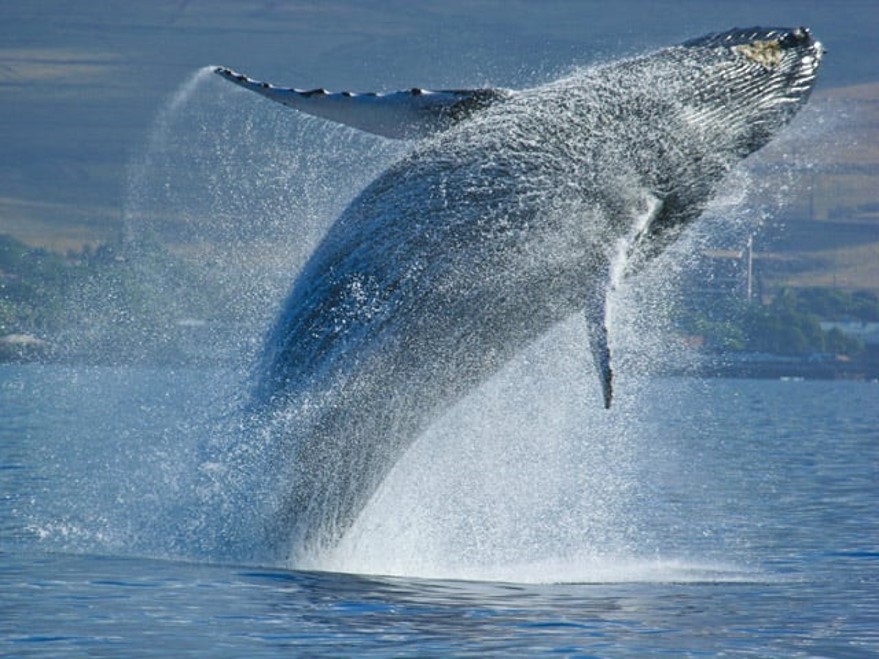
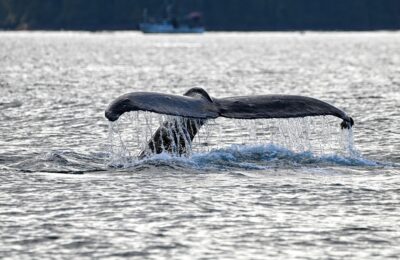
January to March is the best period for Kona’s wildlife experiences, as humpback whale sightings are more frequent. However, the season typically begins in November and can continue through April or May. Booking your tour in advance is a sensible way to secure your preferred date and time.
Kona, the sunny, dry western district of Hawaii, is known for its crystal clear blue waters, volcanic landscapes, and aquatic creatures. Its coastline offers plenty of opportunities to explore the Pacific Ocean. During winter, visitors have an added reason to head out on the water: the annual arrival of humpback whales.
If you are planning a trip, knowing the best time for whale watching in Kona can make a real difference to your experience. Whale season offers chances to see these enormous marine mammals breaching, slapping their tails, and swimming with their calves in Hawaii’s warm waters.
Content
When Is Whale Watching Season in Kona?
According to NOAA’s Hawaiian Islands Humpback Whale National Marine Sanctuary, the main season generally runs from November through May. The highest numbers are usually recorded between January and March. It is the time when humpback whales migrate thousands of miles from colder northern waters to Hawaii each winter.
Here’s what you can expect throughout the season:
- November to December: The first humpbacks begin arriving, although sightings may be less frequent early in the season.
- January to February: Whale activity increases, making these months excellent choices for watching humpbacks.
- March: Sightings remain common, and visitors may have opportunities to see mothers swimming alongside their calves.
- April to May: Whale numbers gradually decline as the migration season comes to an end.
What Is the Best Time of Day for Whale Watching?
Morning departures are a popular choice when wondering the best time for whale watching in Kona. Because they allow you to enjoy the ocean before the day’s activities get underway.
NOTE: Hawaiian regulations prohibit approaching humpback whales within 100 yards. Responsible boating helps protect these animals, particularly mothers and newborn calves.
When Should You Book a Whale Watching Tour?
If you are visiting Kona during the peak season, especially for January and February, it’s best to reserve your whale watching tour several weeks ahead.
Consider these booking tips:
- Book early to secure your preferred date and time.
- Keep an extra day in your itinerary in case of weather-related cancellations.
- Check the operator’s cancellation and rescheduling policies.
- Compare boat sizes to find an experience that suits your preferences.
A Few Tips for a Better Whale Watching Experience
Keep these practical suggestions in mind before heading out:
- Bring sunscreen, sunglasses, and a hat to protect yourself from the Hawaiian sun.
- Carry a light jacket, as the ocean breeze can feel cool during the boat ride.
- Take motion sickness medication beforehand if you’re prone to seasickness.
- Bring binoculars or a camera with a zoom lens for distant sightings.
- Follow your crew’s instructions and maintain a respectful distance from marine wildlife.
Quick Takeaways
- January to March is the best time for whale watching in Kona, with more frequent humpback whale sightings.
- Whale watching season generally runs from November through May.
- Morning tours are a popular choice for calmer ocean conditions.
- Book several weeks ahead, especially during peak season.
- Bring sunscreen, a light jacket, and motion sickness medication if needed.