Some wedding venues simply provide a room. Others bring a story, atmosphere, and sense of place that already exist before the first flower arrangement or table setting arrives.
That difference matters when couples want their wedding to feel personal rather than assembled from standard event elements.
Historic wedding venues can offer original architecture, craftsmanship, cultural character, and visual details that modern spaces often have to recreate through décor. These features can shape everything from the ceremony atmosphere to wedding photography and the overall guest experience.
The venue often becomes the foundation for many other planning decisions, so choosing a space with the right character can make the rest of the design process easier.
Content
Why Venues With History Keep Winning Hearts
Rochester, New York has a rich architectural legacy influenced by generations of craftsmanship and European design traditions.
Historic wedding venues in the region can offer more than visual appeal. Original features, preserved materials, and distinctive architecture give couples a setting that already has personality.
Instead of building an atmosphere from an empty room, couples can work with the character that is already present.
A Historic Wedding Venue in Rochester
For couples looking for a venue that combines architectural character with cultural heritage, the Historic German House Wedding & Event Venue is one option to explore in Rochester.
The property reflects German heritage through architectural and decorative details, giving couples a setting with a strong sense of history.
When comparing historic venues, look beyond appearance. Consider whether the venue supports your guest count, ceremony plans, catering requirements, accessibility needs, and overall wedding style.
A beautiful historic setting still needs to work practically for the celebration you are planning.
Wedding Venue Research and Resources
Venue selection plays a major role in the early stages of wedding planning.
According to The Knot wedding data and insights, a large majority of couples select their venue before hiring many other wedding vendors.
The same research also highlights the importance couples place on incorporating personal, cultural, and religious customs into their celebrations.
These trends help explain why venues with distinctive architecture, heritage, and built-in character continue to appeal to couples looking for a celebration that feels personal.
Atmosphere That Does the Heavy Lifting
Wedding venues with history can create an immediate sensory experience.
Guests may notice original architecture, antique detailing, stained glass, woodwork, stone, or other period features before the ceremony even begins.
Those elements help establish the mood without requiring extensive decorative installations.
A historic venue may also provide natural focal points for:
- Ceremony backdrops
- Wedding portraits
- Cocktail-hour spaces
- Reception entrances
- Family photographs
The architecture becomes part of the event rather than simply surrounding it.
Architecture That Elevates Everything Around It
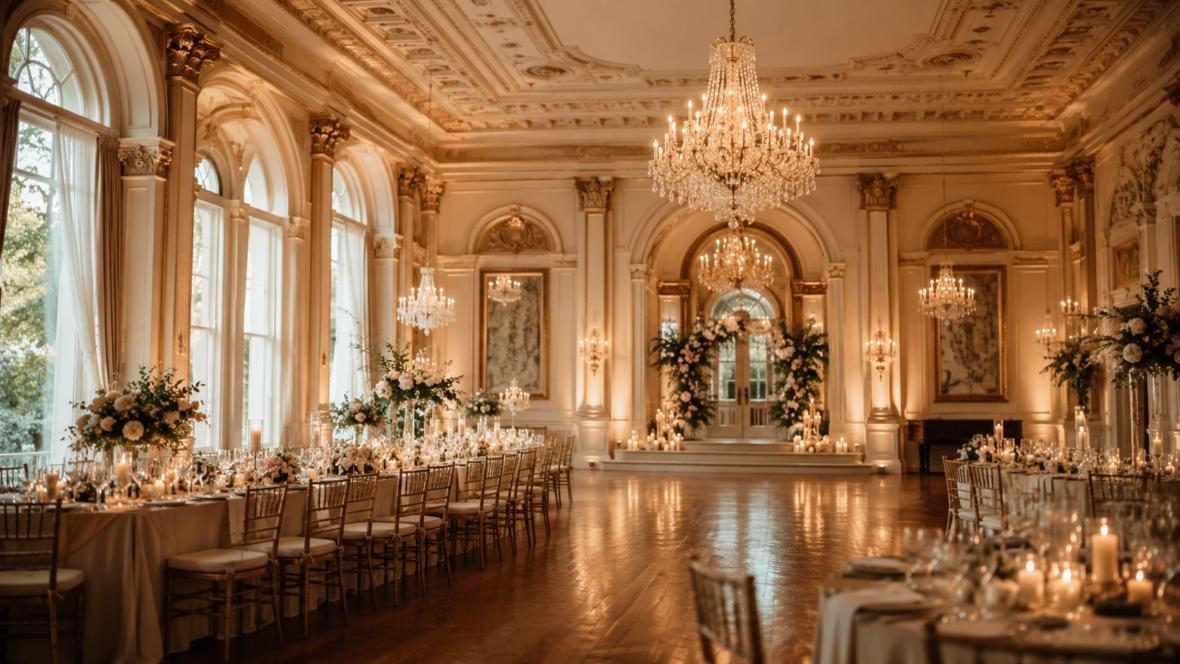
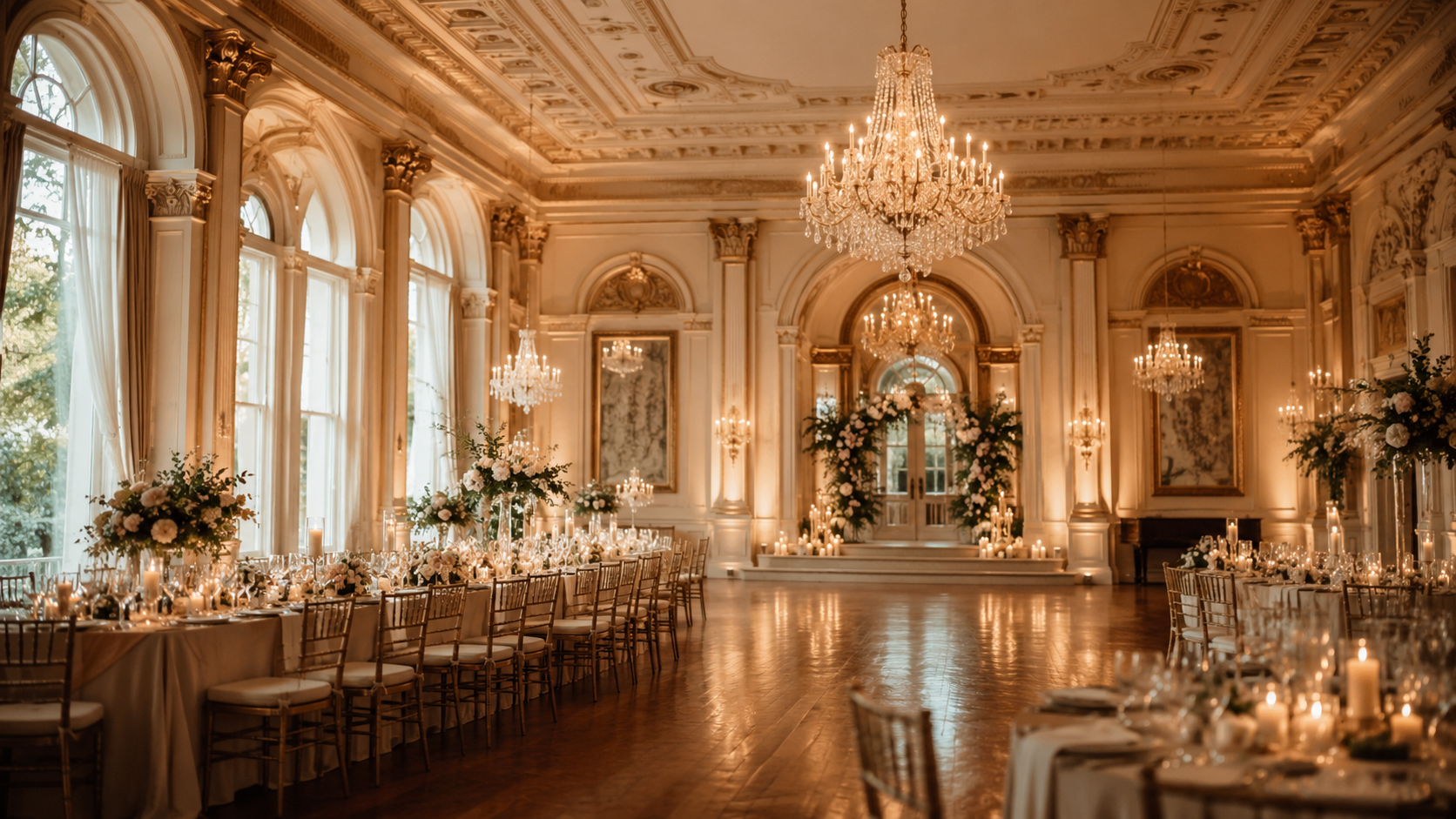
One of the biggest advantages of a historic ballroom wedding venue is architectural detail that does not need to be recreated.
Tall ceilings, original windows, woodwork, moldings, decorative walls, and historic flooring can give the space visual depth.
These features can also influence how lighting, music, and photography work throughout the event.
Period Details and Majestic Spaces
Architectural character can make simple wedding styling feel more intentional.
Instead of covering every surface with décor, couples can choose elements that complement the building.
For example:
- Minimal floral arrangements can highlight detailed architecture.
- Candlelight can bring warmth to darker wood finishes.
- Metallic details can echo period features.
- Simple linens can keep attention on the room itself.
A German heritage building wedding can also offer cultural meaning for couples or families who feel connected to that history.
The important thing is to use the venue’s heritage thoughtfully rather than treating it as a decorative theme.
Layering Modern Style Over Timeless Architecture
Historic does not have to mean traditional.
Older venues can work surprisingly well with contemporary wedding styles.
Soft lighting and greenery can create contrast against dark wood or stone. Minimalist tables can allow architectural details to remain visible. Modern floral designs can introduce freshness without competing with the building.
The strongest approach usually involves working with the space instead of trying to transform it into something completely different.
Reception Halls That Create Real Experiences
Historic reception spaces can support both intimate gatherings and larger celebrations depending on their layout and capacity.
A venue with multiple rooms or distinct architectural areas can also help different parts of the event feel separate without requiring guests to travel between locations.
Intimate and Larger Celebrations
When evaluating a historic reception hall, think about how the guest count will interact with the space.
For smaller weddings, consider whether sections of the venue can be used independently so the event still feels full and welcoming.
For larger weddings, check:
- Maximum seated capacity
- Ceremony capacity
- Cocktail-hour space
- Dance-floor size
- Catering setup
- Guest flow between rooms
Capacity should support the experience you want rather than simply meeting the maximum number of guests.
Historic Venues Compared With Modern Banquet Halls
Both historic venues and modern banquet halls can work well, but they offer different starting points.
Historic Venue
Common characteristics include:
- Original architectural features
- Built-in visual character
- Natural photography backdrops
- Cultural or local history
- Less dependence on decorative installations
Modern Banquet Hall
Common characteristics include:
- Neutral architecture
- Greater flexibility for complete transformation
- Consistent modern infrastructure
- Décor-driven atmosphere
- Fewer existing visual constraints
Neither option is automatically better.
The right choice depends on whether you want the venue itself to become part of the wedding story or prefer a more neutral space you can redesign extensively.
Culinary Experiences With a Sense of Place
Food can complement the history and character of a venue.
Couples using a heritage property may choose menus or drinks inspired by family traditions, regional cuisine, or the cultural background associated with the space.
Examples might include:
- Family-inspired recipes
- Regional dishes
- Heritage desserts
- Traditional wine pairings
- Custom cocktails connected to family stories
The goal does not have to be a fully themed menu.
Even one or two meaningful culinary references can help connect the dining experience with the venue or the couple’s background.
When planning, confirm catering rules early because historic properties may have specific kitchen arrangements or vendor requirements.
Personalized Touches and Modern Conveniences
Historic character does not mean couples have to give up modern functionality.
Many older venues have been updated to support current event requirements while preserving original features.
Customizable Spaces With Character
Historic venues may contain multiple rooms with different functions.
Couples might use them for:
- Rehearsal dinners
- Wedding-party preparations
- Cocktail hours
- Ceremonies
- Receptions
- Farewell brunches
Using several areas of the same venue can create variety while maintaining a consistent visual identity.
Technology and Tradition
When touring a historic venue, ask about modern amenities such as:
- Wi-Fi
- Sound systems
- AV equipment
- Lighting controls
- Electrical access
- Accessibility accommodations
- Climate control
Never assume these features are available simply because the venue regularly hosts weddings.
Confirm what is included and whether outside equipment is permitted.
Photo Opportunities Beyond the Ballroom
Historic architecture often provides more photography options than a single neutral event room.
Potential backdrops can include:
- Staircases
- Stained glass
- Original flooring
- Archways
- Gardens
- Period windows
- Historic entrances
Seasonal changes can also influence the way these features photograph.
Autumn foliage may complement warm wood tones, while spring flowers can brighten outdoor spaces. Winter lighting or seasonal décor can create a completely different atmosphere.
Ask your photographer to tour or review the property before the wedding so they can plan around natural light and key architectural features.
Creating a Memorable Guest Experience
Historic venues can give guests more to experience than the ceremony and reception alone.
If appropriate for the property, couples may incorporate subtle storytelling elements such as information about the building’s history, historic photographs, or displays connected to the venue.
These details should remain optional and unobtrusive.
The wedding should still feel centered on the couple rather than becoming a venue tour.
Common Questions About Historic Wedding Venues
What Makes a Historic Wedding Venue Different From a Modern Banquet Hall?
Historic venues typically offer original architecture, period details, and an established sense of character.
Modern banquet halls often provide a more neutral setting that couples can transform extensively through lighting, florals, furniture, and other décor.
Are There Restrictions for Decorating Historic Venues?
There can be.
Historic properties may restrict attachments to walls, open flames, heavy installations, or décor that could damage preserved features.
Ask about decoration policies before signing a contract.
Can Outside Vendors Be Used?
Policies vary by venue.
Some historic venues maintain preferred vendor lists, while others allow outside vendors with approval.
Confirm catering, photography, entertainment, floral, and rental policies early in the planning process.
Do Historic Venues Have Modern Amenities Like Wi-Fi and AV?
Many do, but availability varies.
Ask specifically about sound systems, internet access, lighting equipment, electrical connections, and other technology your vendors will need.
How Far in Advance Should You Book?
Popular historic venues may have limited availability because they cannot simply add another ballroom or event space.
If you have a specific season or date in mind, start contacting venues early and ask about current booking timelines.
Expert Tips for Planning a Historic Wedding
A few thoughtful choices can help the wedding feel connected to the venue without becoming overly themed.
- Ask your officiant whether the building’s history can be referenced naturally in the ceremony.
- Work with local artisans when their style complements the venue’s architecture.
- Schedule a site visit around the same season and time of day as your wedding.
- Ask how natural light changes throughout the venue.
- Choose invitations or stationery that subtly reference architectural details when appropriate.
- Avoid covering important historic features with unnecessary décor.
The venue’s existing character should do part of the design work for you.
Why a Historic Venue Can Be Worth Considering
Choosing a historic venue is about more than aesthetics.
Architecture, craftsmanship, heritage, and local history can give a wedding setting a sense of permanence that is difficult to create from scratch.
For couples who value character and storytelling, those details can become part of the experience from the moment guests arrive.
Start the venue search early, ask detailed questions about practical requirements, and think about how your own wedding style will interact with the space.
The best historic venue is not simply the oldest or most ornate one. It is the place where the building’s story leaves enough room for you to add your own.