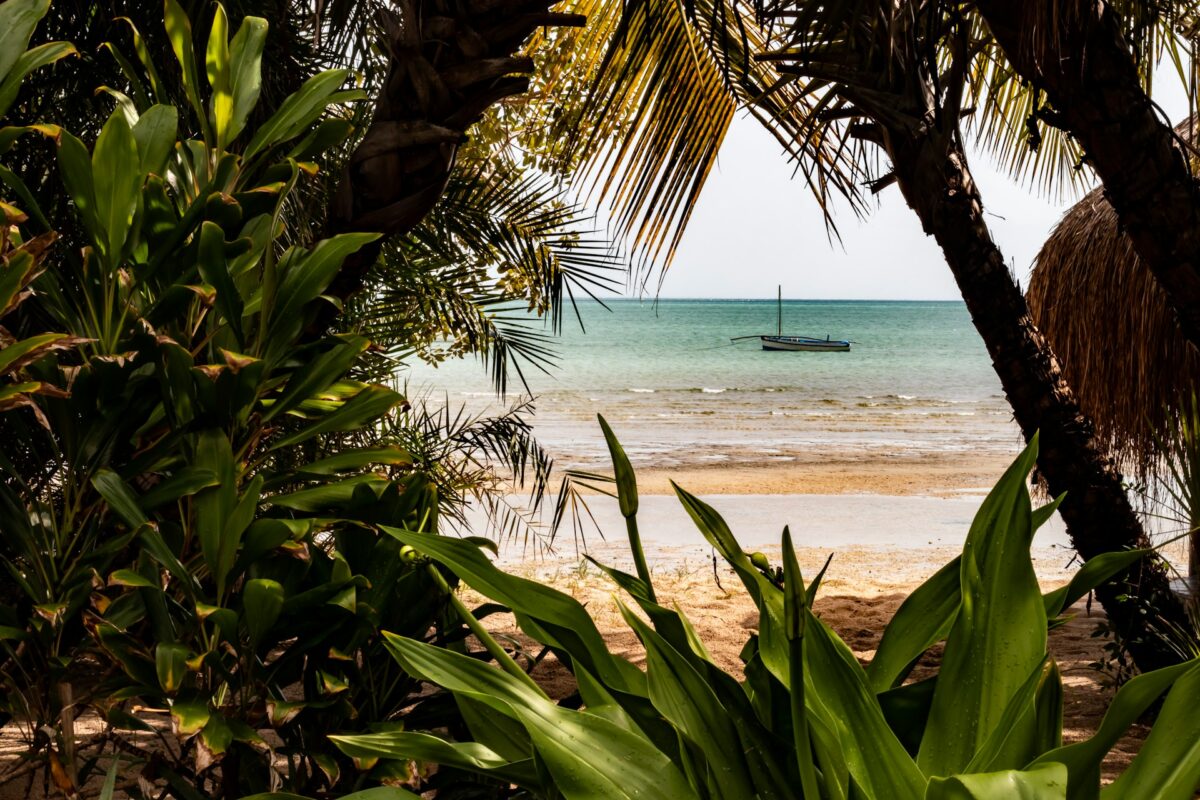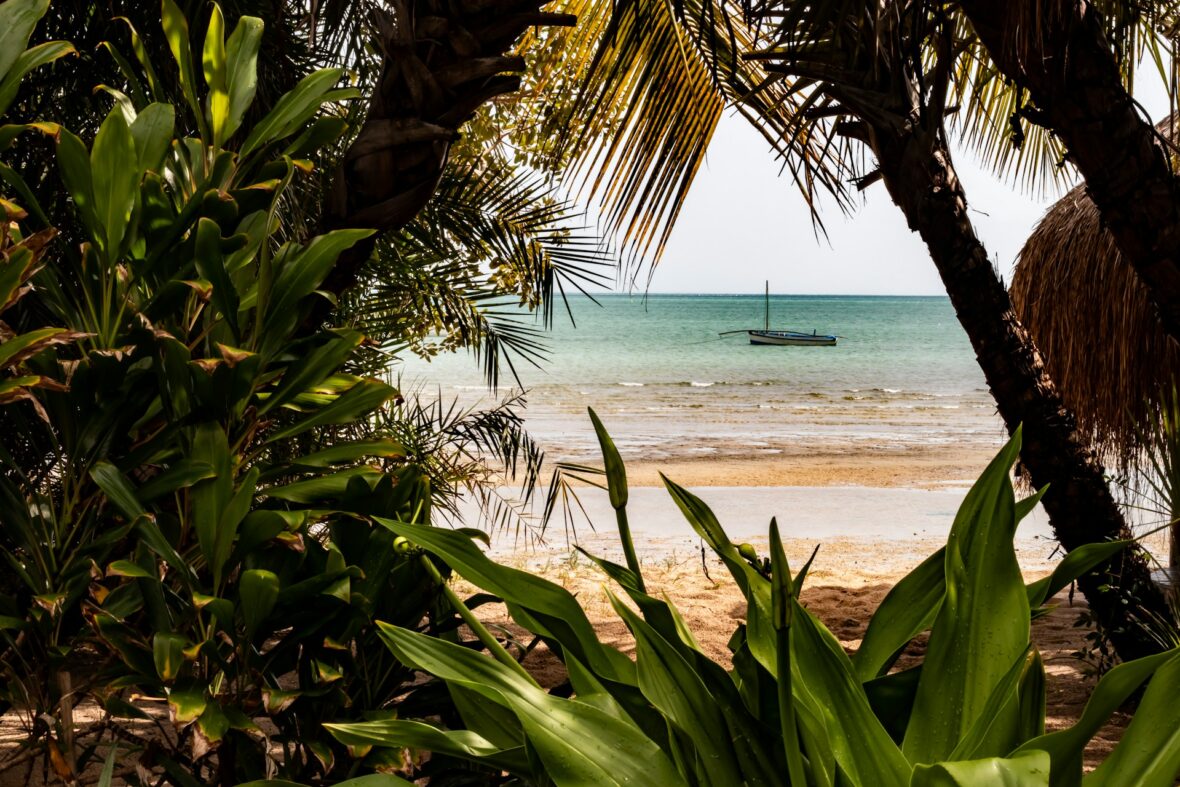
Mozambique is a stunning African nation known for its pristine beaches, vibrant culture, and incredible wildlife. If you’re planning a Mozambique safari, timing is crucial to ensure you have the best possible experience. In this article, we’ll explore the optimal times to embark on your wildlife viewing adventure in this captivating country.
Content
Understanding Mozambique’s Climate
Mozambique has a tropical climate with two distinct seasons: the dry season and the wet season. The dry season typically runs from April to November, while the wet season spans from December to March. These seasonal variations greatly influence wildlife behavior and visibility, making it essential to plan your safari accordingly.
The Dry Season: Prime Time for Wildlife Viewing
The dry season is generally considered the best time for a Mozambique safari. During these months, the vegetation becomes less dense, making it easier to spot animals in their natural habitats. Additionally, water sources become scarcer, causing wildlife to congregate around remaining water holes, increasing your chances of encountering a diverse array of species.
Peak Months: August to October
Within the dry season, the months of August, September, and October are particularly favored for wildlife viewing. At this time, the landscape is at its driest, and animals are more likely to be active during the day, seeking relief from the heat. This period also coincides with the great wildebeest migration in the Niassa Reserve, offering a spectacular sight for safari-goers.
The Wet Season: A Green Paradise
While the wet season may not be the most popular time for a Mozambique safari, it has its own unique charm. From December to March, the country transforms into a lush, green paradise. The abundant rainfall breathes new life into the landscape, and many animals give birth during this time, providing heartwarming sights of baby animals exploring their surroundings.
Birdwatching During the Wet Season
For avid birdwatchers, the wet season is a fantastic time to visit Mozambique. The country is home to over 900 bird species, and during the rainy months, migratory birds arrive in large numbers. The vibrant plumage of these feathered visitors adds an extra layer of beauty to the already stunning scenery.
Shoulder Season: April to July
If you prefer a quieter safari experience with fewer crowds, consider planning your trip during the shoulder season, from April to July. While wildlife viewing may not be at its peak, you can still enjoy excellent sightings and take advantage of lower prices and more intimate experiences in the national parks and reserves.
Choosing the Right Safari Destination
Mozambique offers several incredible safari destinations, each with its own unique features and wildlife populations. Some popular choices include the Gorongosa National Park, known for its diverse ecosystem and thriving lion population, and the Niassa Reserve, home to large herds of elephants and the elusive African wild dog.
When planning your Mozambique safari, consider your specific interests and the type of experience you’re seeking. Whether you’re eager to witness predators in action, marvel at large herds of herbivores, or simply immerse yourself in the beauty of the African wilderness, Mozambique has something to offer.
In conclusion, the best time to go on a Mozambique safari for wildlife viewing is during the dry season, particularly from August to October. However, the wet season and shoulder months also have their own unique advantages. By understanding the climate and seasonal variations, you can plan your safari adventure to align with your preferences and maximize your chances of unforgettable wildlife encounters in this breathtaking African gem.