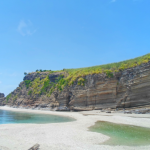
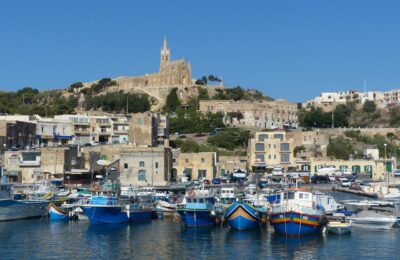
Antigua is a small, volcanic island located in the Caribbean. It’s a popular vacation destination, thanks to its beautiful beaches and warm climate.
Antigua is rich in history and culture. In the capital St John’s, you will find many old forts and forts that are part of the UNESCO World Heritage Site. The capital itself is small and quaint, with a number of markets and shops selling local crafts.
Content
Natural Beauty
The island is also home to a nature reserve in the form of English Harbour, providing some of the most incredible snorkelling and scuba diving opportunities in the West Indies. The Barrier Reef is a must for all divers. The reef is home to a large number of fish and marine animals, including rays, turtles, and sharks. Other activities include horse riding, golf, fishing, sailing, and the island’s best-known activity, bonefishing.
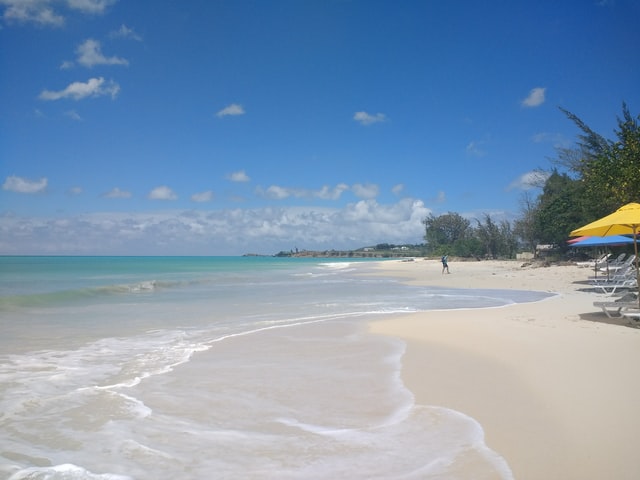
There are over 30 stunning beaches in Antigua, providing the perfect place to relax and unwind. Once you have seen the natural beauty of the island, you may want to explore the many incredible sights and attractions that the island has to offer.
Weather
Antigua is renowned for its year-round sunshine, and its year-round temperature of 23-26 degrees Celsius. The surrounding islands of Antigua, Barbuda, Guadeloupe, Montserrat, St Kitts, Nevis, St Lucia, and the Grenadines are home to some of the most amazing marine life in the world, as well as the most beautiful beaches and are ideal for the ultimate sailing experience.
Yachting in Antigua
Antigua is also a yacht haven, with several marinas and boatyards that offer a vital service to both the local and visiting yachtsmen. Antigua is the perfect destination for a Caribbean sailing holiday, where you can experience the beauty of the sea and the warmth of the people.
One of the Leeward Islands, Antigua offers the opportunity to experience the world-famous trade winds, providing hours of sailing suitable for both experienced and novice sailors alike. The long coastline is home to an abundance of beautiful secluded coves and small bays, each with powdery white sand that is lapped by stunningly clear turquoise water, perfect for exploring the underwater kingdom of exotic marine life and natural coral that the Caribbean is famous for.
A Rich History
The island was claimed by Spain in 1493. However, the Spanish did little to settle the island. In 1632, the English claimed the island, and the English were able to capture the island that same year.
In 1704, the French captured the island, and it became a popular setting for pirates. The British were able to conquer the island in 1708. The British established sugarcane plantations on the island. In 1733, the island became a formal part of the British Empire.
The island was again conquered by the French in 1778. However, the British returned to the island in 1782. The island was formally made part of the British Empire in 1871. In 1875, the island was granted a constitution. The constitution was reorganized in 1924.
The island became independent in 1981 and now welcomes vacationers from the world over as a spot of pure beauty and luxury.