Choosing a rug for your living room can feel surprisingly tricky. A rug has to handle daily life, not just look good in a catalog. From foot traffic and pets to sunlight and spills, the wrong choice can wear out quickly and make the whole room feel tired.
That is why understanding wool vs synthetic rugs matters before you buy. In this guide, we will compare the comfort, durability, and maintenance of each option so you can choose one of the best living room rugs for your space. If you want a stylish rug that also lasts for years, this breakdown will help you decide with confidence.
Content
Comparing Wool vs Synthetic Rugs: Key Features and Differences
Wool and synthetic rugs can both work beautifully in a living room. The real difference shows up after months of footsteps, vacuuming, sunlight, and everyday life.
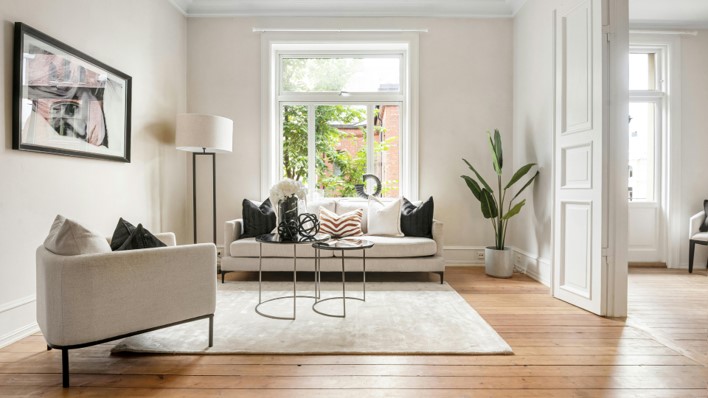
When you’re comparing colors, shapes, textures, or room styles, it helps to actually explore living room area rugs and see how different materials look in a real design setting, since close-up fiber shots only tell part of the story. The material you pick shapes not just the look, but how the rug feels underfoot, how easy it is to clean, and how well it holds up over time.
Natural vs Man-Made Origins
Wool comes from sheep, so it has natural warmth, bounce, and a slightly uneven texture that gives it character. Synthetic rugs are made from materials like nylon, polyester, and polypropylene, which gives manufacturers more control over price, color, and stain resistance.
Texture, Feel, and Appearance
Wool usually feels richer and warmer underfoot. It has that cozy, grounded feel people love in a main seating area.
Synthetic rugs can be soft too, especially better-quality options. Cheaper ones, though, may flatten, feel slick, or develop a shiny worn path over time.
Color Retention and Daily Resilience
Good wool takes dye deeply and tends to age in a softer, more graceful way. Many synthetics resist fading well at first, especially in bright rooms.
But daily traffic tells the truth. Some fibers recover. Others just give up and stay flat.
Durability Showdown: Wool and Synthetic Rugs in Busy Living Rooms
Wool’s natural crimp helps it spring back after pressure. That matters when chairs, coffee tables, kids, and guests all land in the same spots week after week.
Synthetic rugs often win when spills are the main concern. Still, not every synthetic fiber performs the same.
Wool Area Rug Durability in High-Traffic Rooms
Strong wool area rug durability comes from elasticity. When furniture or foot traffic presses down on wool, the fibers often recover better than many synthetic piles.
A well-made wool rug can resist crushing and pilling for years. The catch? Wool dislikes constant moisture, harsh cleaners, and strong direct sun every afternoon.
Synthetic Rug Performance Under Pressure
Synthetic rugs can be tough, practical, and easier on the budget. But “durable” can mean different things.
Polypropylene is common and affordable. Polyester gives you softness and bright color. Nylon is usually the strongest synthetic option, especially for busy areas.
Spills, Pets, and Sunlight
Wool naturally repels some liquid at first, so you get a small window to blot before trouble sets in. That window is helpful, but short.
Synthetic rugs often handle pet accidents, juice spills, and family-room chaos better. If your dog treats the rug like a napkin, that matters.
Maintenance, Cleaning, and Real-Life Longevity
A rug’s lifespan depends heavily on care. Honestly, even the best rug can look sad if it’s ignored.
Cleaning habits, vacuuming, rug pads, and spill response all decide whether a rug ages well or heads for replacement early.
Everyday Cleaning Needs
Wool does best with regular vacuuming using gentle suction. Blot spills quickly, and avoid scrubbing like you’re cleaning a garage floor.
Synthetic rugs are usually easier to spot clean. Still, rough scrubbing can damage the pile or push stains deeper.
Deep Cleaning and Professional Care
Wool rugs often benefit from professional cleaning to help preserve their color, texture, and overall quality. Although this adds to the maintenance cost, proper care can keep a wool rug looking beautiful for many years.
Synthetic rugs are generally easier to clean at home and can handle everyday maintenance with less effort. However, it is still important to avoid excessive moisture, as lower-quality backing materials may weaken or become uneven over time. When comparing the two, it is worth considering long-term durability and maintenance needs rather than focusing only on the initial purchase price.
Real-World Lifespan Patterns
In real homes, wool often ages slowly when rotated, cleaned, and protected with a pad. It may soften and settle rather than suddenly look worn out.
Synthetic rugs can look terrific for several years. Then traffic lanes, flattened fibers, or curled edges may show up fast.
The True Cost: Buying, Owning, and Replacing Rugs
The checkout price is only one part of the story. You also have to think about cleaning, repair, replacement, and how long you actually plan to keep the rug.
A cheap rug that gets replaced every few years may not feel so cheap later.
Initial Price vs Long-Term Value
Synthetic rugs usually cost less upfront. That makes them great for renters, young families, first apartments, or rooms you like to refresh often.
Wool costs more at the start. But if it lasts decades, the long-term value can be excellent.
Repairs, Cleaning, and Replacement
Wool rugs can often be repaired, rebound, or professionally revived. That’s a big advantage if you bought a quality piece.
Many synthetic rugs are replaced instead of repaired. Sometimes the repair costs more than the rug.
Eco-Friendly Considerations
Wool is renewable and biodegradable, though responsible sourcing still matters. Synthetic rugs may use recycled fibers, which is a plus.
Disposal is trickier with many synthetics because they are petroleum-based. Not glamorous to think about, but worth knowing.
Value, Style, and Comfort Beyond Durability
Durability matters, but it is not the whole story. You also live with the rug every day.
It should feel good, look right, soften sound, and make the room feel finished.
Are Wool Rugs Still Worth It?
For homeowners who want a rug to last, wool is still a strong choice. It offers comfort, texture, warmth, and a natural look that often improves with age.
If you want something timeless, wool is hard to beat.
Where Synthetics Make Sense
Synthetic rugs make sense in homes with toddlers, pets, rentals, or tight budgets. They are also great when you want a bold trend without marrying it forever.
Want a bright pattern for two years? Synthetic may be your friend.
Comfort, Allergies, and Family Use
Wool can hold dust until vacuumed, which may help keep particles from floating through the air. Some people love that.
New synthetic rugs may have odors at first, so airing them out is smart. Your nose will thank you.
Creative Uses: Layering Wool and Synthetic Rugs
You do not always have to pick one material and call it a day. Layering can give you beauty and practicality in the same room.
It also looks intentional, like you have a designer on speed dial.
Mixing Fibers for Function
A flat synthetic base can protect the floor and handle spills. A smaller wool rug on top adds softness, depth, and character.
This works especially well under coffee tables or in conversation areas.
Rug Pads and Wear Control
A good rug pad reduces slipping, cushions impact, and protects the backing. It also helps the rug wear more evenly.
Skip the pad, and the rug may move, bunch, or age faster than it should.
Style Ideas That Actually Work
Try a neutral jute-look synthetic under a patterned wool rug. You get texture without too much visual noise.
Or use a low-pile synthetic under a wool accent rug if pets like to claim the best seat in the house.
Decision Guide: How to Choose the Best Living Room Rugs for Your Needs
Start with how the room lives, not with color. That sounds boring, but it saves headaches.
Kids, pets, shoes, sunlight, and snack habits should all influence your choice.
Lifestyle Checklist
Choose wool if you want long-term beauty, softness, and better recovery from foot traffic. It is ideal when you plan to keep the rug for years.
Choose synthetic if spills, budget, and easy cleaning are your biggest concerns.
Room-by-Room Material Match
Formal living rooms often suit wool because texture and longevity matter there. Busy family rooms with spills, shoes, or pets may be better served by synthetic rugs or stain-protected wool.
The best material is the one that matches the mess level. Glamorous? No. True? Absolutely.
Trend Alert: New Rug Materials
Eco-friendly synthetics, recycled wool blends, washable constructions, and better stain treatments are changing the rug world.
The gap between synthetic vs natural fiber rugs is smaller than it used to be.
Comparison Table: Wool vs Synthetic Rugs for Living Rooms
Use this table as a quick gut check before buying. It will not choose for you, but it will make the trade-offs easier to see.
How to Read the Table
No single category tells the whole story. A rug that fits your habits will usually outlast a “better” rug used in the wrong space.
At-a-Glance Comparison
| Factor | Wool Rugs | Synthetic Rugs |
| Durability | Excellent recovery and long wear | Good short-term toughness |
| Maintenance | Needs gentle care | Easier spot cleaning |
| Cost | Higher upfront price | Lower upfront price |
| Feel | Warm, dense, natural | Soft, varied, sometimes slick |
| Style | Rich texture and depth | Wide color and pattern range |
| Eco Impact | Renewable and biodegradable | Some recycled options available |
| Best Use | Long-term main living spaces | Pets, kids, rentals, trend updates |
Expert Recommendations and Final Verdict
Experts usually agree on one thing: the longest-lasting rug is the one matched to the room and cared for properly.
Material matters. So do habits.
What Designers Often Recommend
Designers often prefer wool for main seating areas where comfort, texture, and long wear are priorities. For messier rooms, they may recommend performance synthetics or layered rugs.
It is less about “best” and more about “best for this home.”
Tips to Extend Rug Life
Rotate your rug. Use a rug pad. Vacuum regularly. Blot spills fast.
Also, move heavy furniture now and then if you can. Permanent dents are not exactly a design feature.
Final Thoughts on Wool vs Synthetic Living Room Area Rugs
When comparing long lasting area rugs, wool usually wins for lifespan, comfort, and graceful aging. Synthetic rugs win for affordability, stain resistance, and low-stress everyday use.
The smartest choice is not always the priciest one. It is the rug that fits your room, your habits, and your patience for cleaning. Pick well, care for it, and let it earn its place.
Common Questions About Wool and Synthetic Living Room Area Rugs
1. What is the best material for a living room area rug?
Wool is often best for long-term comfort, warmth, and durability. Synthetic materials are better when stain resistance, lower cost, and easy cleaning matter most. The right choice depends on pets, kids, traffic, and budget.
2. How long should a wool area rug last?
If you’re wondering how long a wool rug lasts, the short answer is: a very long time. With proper care, a quality wool rug can serve for decades and may even become an heirloom piece.
3. Do wool rugs shed more than synthetics over time?
New wool rugs can shed at first, especially if they’re tufted. Shedding usually slows with regular vacuuming. Synthetic rugs shed less, but lower-quality versions may flatten, pill, or lose texture sooner.