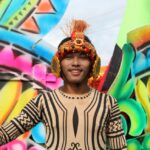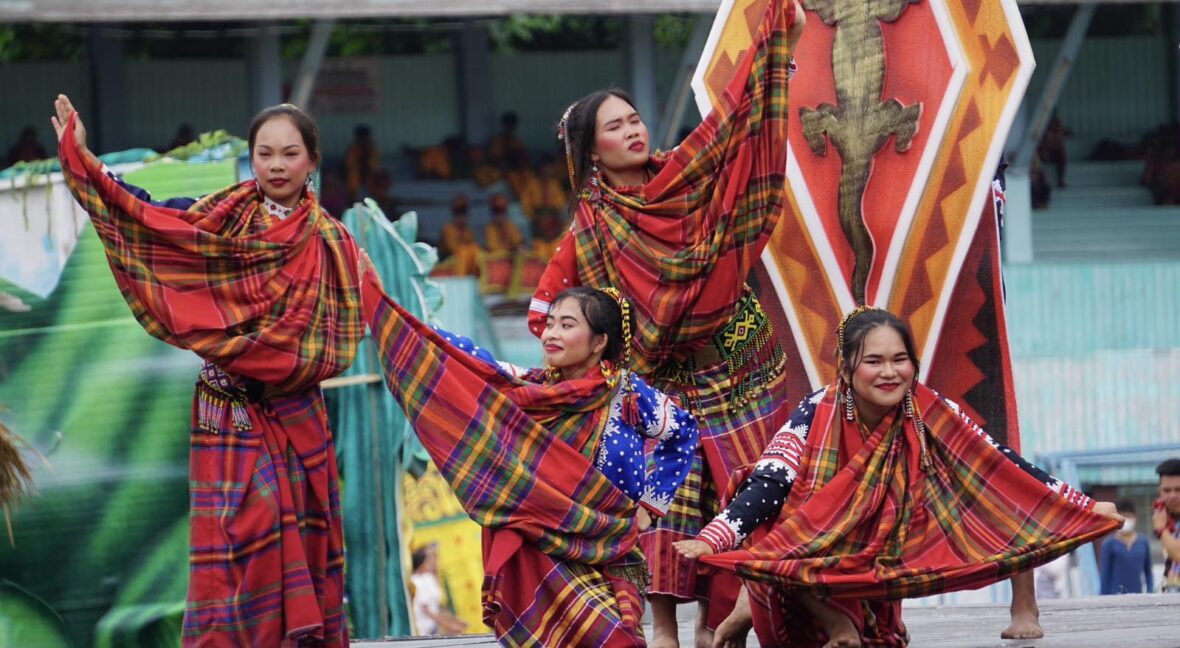
South Cotabato is one of those provinces that makes you feel like you’re stepping into a living storybook. It’s not just about the scenery, though the rolling mountains, clear lakes, and green landscapes are stunning. What truly makes South Cotabato special is its people.
Known as the “Tri-people” province, it’s home to a beautiful blend of cultures: the indigenous T’boli and B’laan, Muslim settlers, and Christian migrants. This diversity isn’t just written in history books; it’s alive in daily life and most powerfully expressed through its festivals.
Festivals in South Cotabato are more than just colorful events. They’re a chance to see unity in action, to feel the pride people have in their roots, and to celebrate life’s blessings together. From dream-inspired weaves to joyful street dances, every celebration is an invitation to experience something uniquely Filipino, uniquely South Cotabateño.
Let me walk you through some of the best festivals you can experience in this vibrant province.
Content
T’nalak Festival: The Dream Weave of South Cotabato
When people think of South Cotabato, the first thing that usually comes to mind is the T’nalak Festival. This is the biggest and most well-known celebration in the province, and for good reason. Held every July in Koronadal City, the T’nalak Festival coincides with the province’s founding anniversary on July 18.
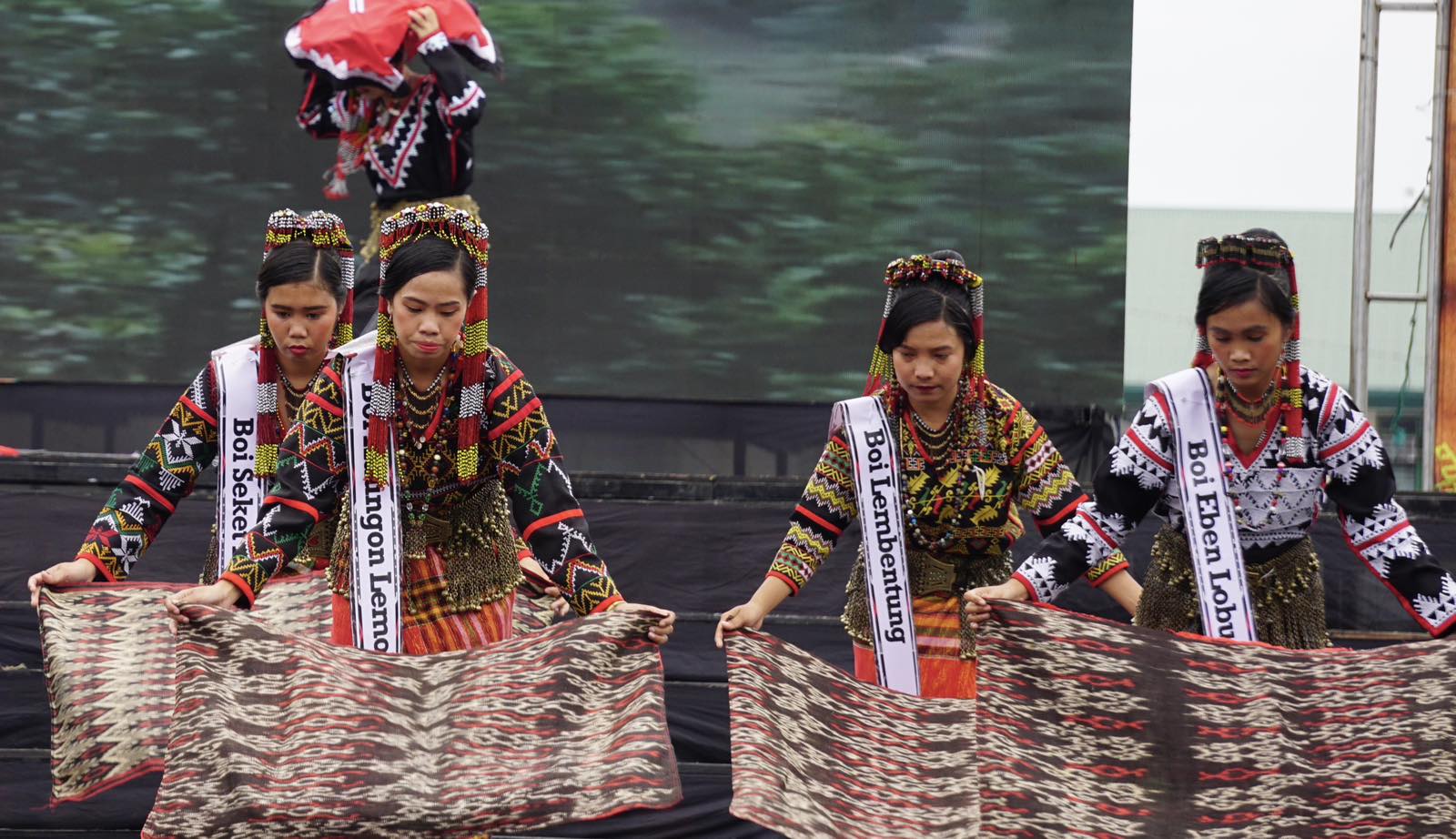
The name itself comes from the T’nalak, a sacred handwoven abaca cloth created by the T’boli women known as “dreamweavers.” These artisans believe the patterns of the cloth come to them in dreams, making each weave both a masterpiece and a spiritual expression. Because of this, the T’nalak has become more than just fabric—it’s a symbol of South Cotabato’s cultural identity and the unity of its three major groups.
During the festival, the whole city comes alive with energy. The Tri-People Grand Parade is the highlight, featuring dazzling street dances that showcase the traditions of indigenous, Muslim, and Christian communities. Beyond the parade, you’ll find the Bahay Kubo competition, where towns build creative native houses to display local products, and the Mutya ng South Cotabato pageant, which crowns the province’s most graceful and confident young women. It’s a week filled with music, art, dance, and the heartbeat of the province itself.
Hinugyaw Festival: Koronadal’s Own Celebration
If you find yourself in Koronadal City in January, you’re in for another treat: the Hinugyaw Festival. Celebrated every January 10, it marks the founding anniversary of the city. The word “hinugyaw” comes from “hugyaw,” meaning merry-making, and that’s exactly what you’ll see—an explosion of fun and festivity.
This week-long event pays tribute to the pioneers who built Koronadal from the ground up. It’s a celebration of the city’s growth and its people’s resilience. Expect lively street dancing, colorful float parades, and cultural performances that showcase both tradition and modern identity. Add in a beauty pageant and various contests, and you’ve got a festival that perfectly balances heritage and progress.
For me, what makes Hinugyaw so special is its energy. It feels like a giant community party where everyone, young and old, comes together to celebrate not just history, but also where the city is headed.
Seslong Festival: A Deep Dive Into T’boli Culture
If you want a festival that truly immerses you in the indigenous culture of South Cotabato, then the Seslong Festival in Lake Sebu is a must-see. Held every March, this celebration centers on the T’boli people, their traditions, and their way of life.
The word “seslong” means marketplace or gathering, and that’s exactly what this festival feels like: a gathering of people, ideas, and cultures. It’s one of the most authentic ways to experience T’boli heritage up close.
You’ll see the Kadal Tahaw, a graceful bird dance performed in traditional attire. You’ll witness live demonstrations of T’nalak weaving, a skill passed down through generations. There are also traditional sports like horse fighting, which may be surprising to outsiders but is an important part of the community’s customs. The festival is also filled with music, brass accessories, and the stunning attire of the T’boli, making it a colorful and unforgettable event.
Other Municipal Celebrations Worth Experiencing
Beyond the major festivals, South Cotabato is full of smaller yet equally vibrant celebrations. Each one highlights local pride and traditions that make the province so diverse.
- Kamayadan Festival (Norala) – Celebrated every March, this festival’s name comes from the Ilonggo word “mayad,” meaning good. It’s a thanksgiving celebration for the town’s rich agricultural harvests. Expect food, music, and lots of smiles.
- Lemlunay Festival (Lake Sebu) – Held every third week of September, this is also known as the T’boli Tribal Festival. The word Lemlunay refers to a mythical paradise, and the festival brings together six major tribes of the province. It’s filled with rituals, cultural dances, and an atmosphere that feels both sacred and joyful.
- Helobung Festival (Lake Sebu) – Every November 9 to 11, Lake Sebu hosts this festival, which coincides with its founding anniversary. “Helobung” means never-ending joy, and the celebration lives up to its name with music, dances, and thanksgiving activities that honor both culture and community.
- Kalilangan Festival (General Santos City) – While General Santos is technically a highly urbanized city, it shares deep ties with South Cotabato. Every February 27, the city celebrates its founding anniversary with the Kalilangan Festival. The event is a grand showcase of cultural diversity, much like the T’nalak, but on a citywide scale.
- Tuna Festival (General Santos City) – Held every September, this week-long festival celebrates the city’s most famous product: tuna. Known as the “Tuna Capital of the Philippines,” General Santos goes all out with parades, culinary competitions, and events centered on this beloved fish.
Why South Cotabato’s Festivals Matter
South Cotabato’s festivals aren’t just about entertainment. They’re about connection. They connect people to their roots, to their neighbors, and to their community. They highlight the province’s diversity while also celebrating its unity.
When you attend these festivals, you’re not just a spectator—you’re part of the story. You’ll dance along with the crowds, taste local food, hear the beat of traditional drums, and see the pride in people’s eyes as they share their heritage.
For travelers, it’s an unforgettable way to experience the Philippines beyond the usual tourist spots. For locals, it’s a reminder that despite differences in language, religion, or background, they all share one home and one heartbeat.
A Tapestry of Joy and Heritage
At the end of the day, the festivals of South Cotabato are more than just events. They’re living traditions that carry forward the stories of the past while creating new memories for the future. From the iconic artistry of the T’nalak to the joyful celebrations in Koronadal and the rich heritage of Lake Sebu, these festivals weave together a tapestry of joy, resilience, and gratitude.

If you’re looking for an experience that goes beyond sightseeing and lets you truly feel the soul of a community, South Cotabato’s festivals are waiting for you. They invite you not just to watch, but to take part, to celebrate, and to understand what it means to be part of this vibrant cultural mosaic.