When people talk about traditional dances in the Philippines, Tinikling is almost always one of the first dances that comes to mind. It is lively, graceful, exciting to watch, and honestly, a little nerve-wracking too—especially when you see dancers stepping in and out of moving bamboo poles without getting their feet caught.
For many Filipinos, Tinikling is more than just a folk dance taught in school. It is one of those cultural performances that instantly feels familiar. You may have seen it during school programs, town fiestas, cultural shows, tourism events, or even Filipino gatherings abroad. The sound of bamboo poles clapping on the floor, the quick footwork, and the cheerful rhythm all come together to create a dance that proudly says: this is Filipino culture in motion.
Content
What Is Tinikling?
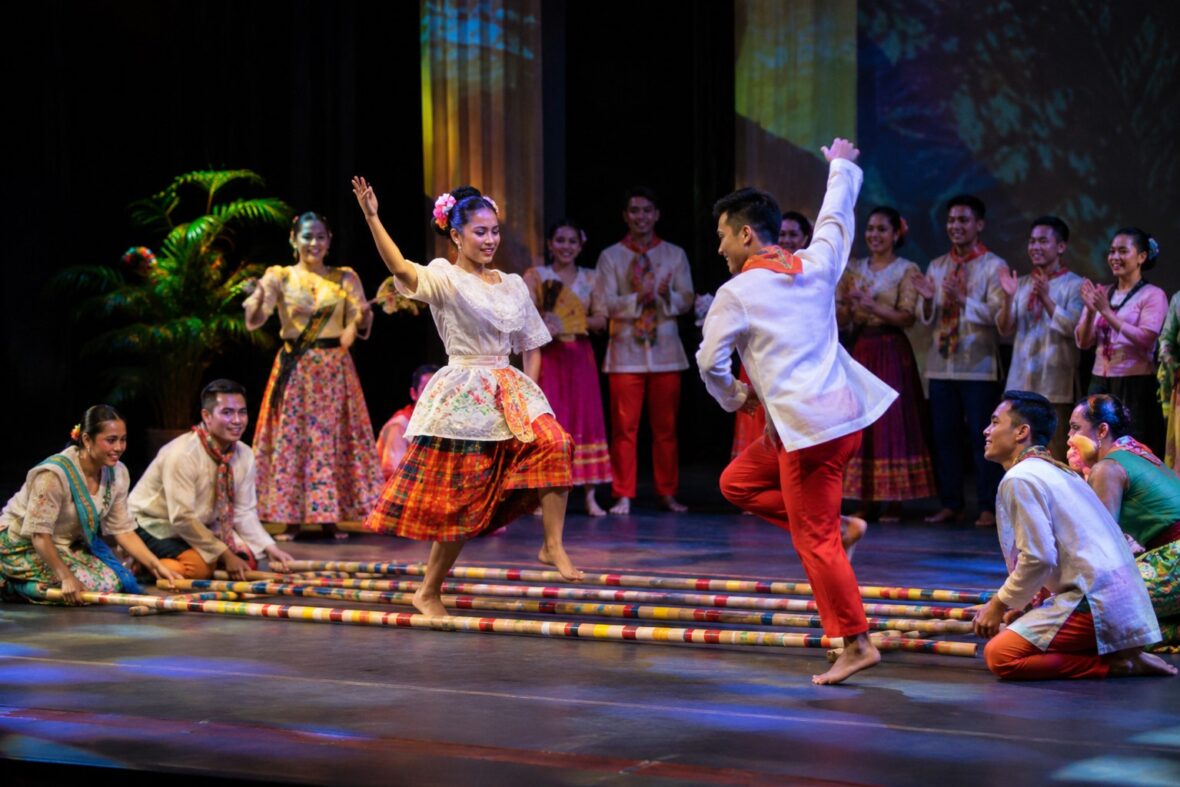
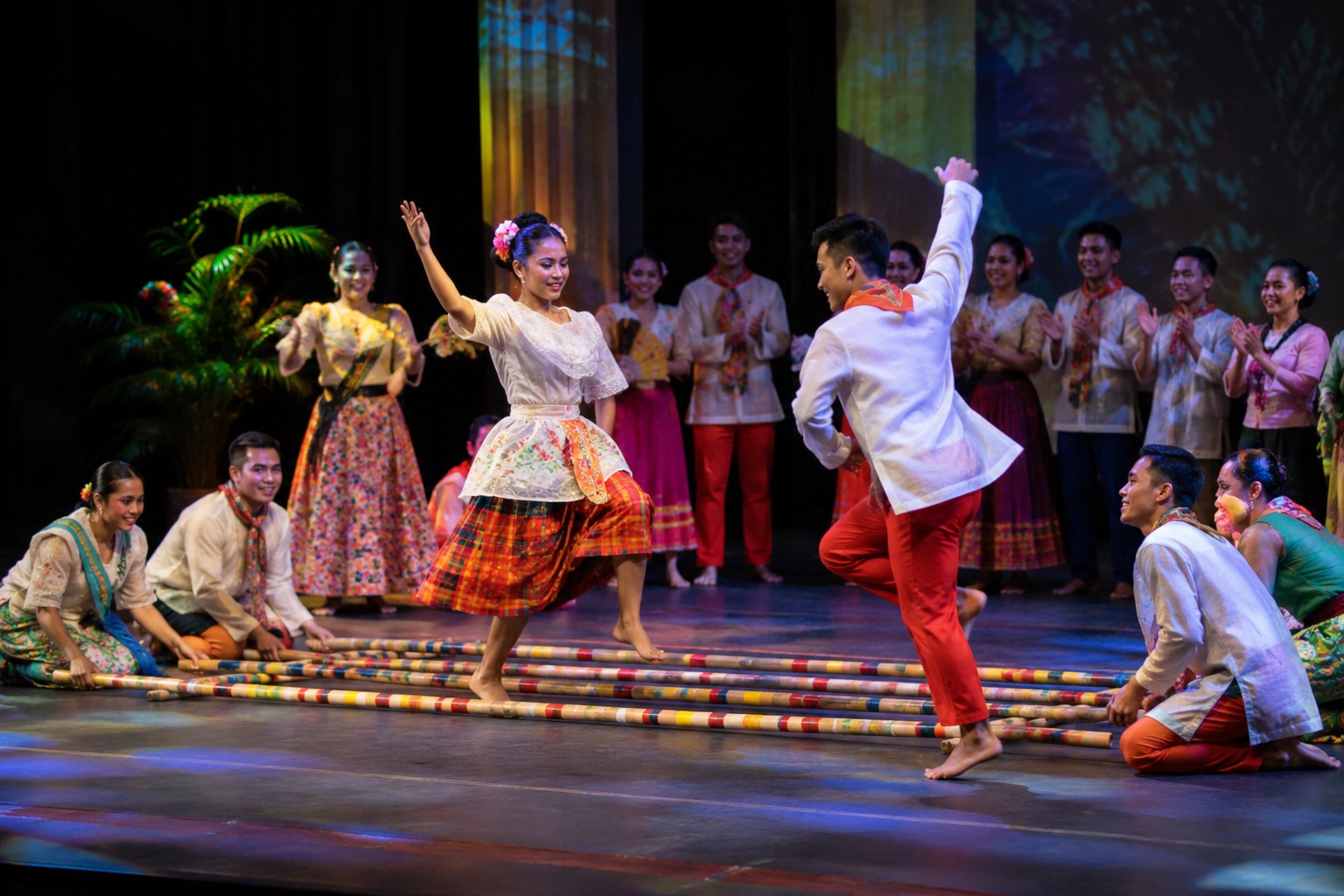
Tinikling is a traditional Philippine folk dance best known for its use of bamboo poles. In a typical performance, two people sit or kneel on the ground while holding long bamboo poles. They tap the poles on the floor and clap them together in rhythm, while dancers step, hop, and move between the poles without getting trapped.
It looks simple at first, but once the bamboo starts moving faster, you realize how much timing, coordination, and confidence the dance requires. One wrong step and the dancer’s ankle can easily get caught between the poles. That is part of what makes Tinikling so exciting to watch.
The dance is commonly associated with Leyte in the Visayas, and it is said to imitate the movements of the tikling bird, a local bird known for moving quickly through grass, branches, and traps set by farmers. The word “Tinikling” itself is connected to the idea of moving “tikling-like,” or like the tikling bird.
The Origin of Tinikling
Like many traditional dances, Tinikling has stories, legends, and cultural explanations behind it.
One popular explanation is that the dance was inspired by the movements of the tikling bird. Farmers would see these birds moving through rice fields, dodging bamboo traps, hopping over branches, and escaping with quick, graceful steps. Over time, those movements were turned into a dance, with the bamboo poles representing the obstacles that the bird had to avoid.
There is also another story often connected to Tinikling. Some versions say that during the Spanish colonial period, workers who moved too slowly in the fields were punished by being made to stand between bamboo poles that were clapped together near their feet. According to this story, workers learned to jump and move quickly to avoid being hit. While this version is often shared, it is better understood as a popular legend rather than a fully documented historical fact.
Whether you focus on the bird-inspired origin or the colonial-era legend, both stories point to something very Filipino: the ability to turn hardship, movement, rhythm, and daily life into art.
Why Tinikling Is So Popular
Tinikling is popular because it is both entertaining and meaningful. Even if you do not know the history behind it, the dance immediately catches your attention. The bamboo poles create a strong beat. The dancers move with energy and grace. The steps become faster and more challenging as the performance goes on.
It is also a dance that feels very accessible. Many Filipinos first encounter Tinikling in school, especially during MAPEH classes, cultural presentations, or foundation day programs. It is one of those dances that students practice again and again, sometimes nervously at first, until they finally learn how to move with the rhythm.
Outside the Philippines, Tinikling is also one of the most recognizable Filipino cultural dances. Filipino communities abroad often perform it during cultural festivals, heritage months, school events, and community celebrations. Groups like the Bayanihan Philippine Dance Company helped bring Philippine folk dances to international audiences, and the company has long been recognized for showcasing Filipino music and dance on global stages.
How Tinikling Is Performed
The main feature of Tinikling is the bamboo pole movement. Usually, two bamboo poles are placed horizontally on the ground. Two people control the poles by tapping them on the floor and then clapping them together in rhythm.
The basic rhythm is often described as:
tap, tap, clap
tap, tap, clap
The dancers then move their feet in and out of the poles, following the beat. As the performance continues, the movement may become faster or more complex. Some dancers perform in pairs, while others may perform in groups. More advanced versions include turns, jumps, crossing steps, and playful choreography.
What makes Tinikling beautiful is the balance between precision and grace. The dancers need to be alert, but they should not look stiff. They need to move quickly, but still appear light and elegant. A good Tinikling performance makes the dancers look like they are floating over the bamboo.
The Music of Tinikling
Tinikling is traditionally performed with lively folk music. It is often associated with rondalla music, which uses string instruments such as the bandurria, guitar, laud, and octavina. Smithsonian Folkways describes Tinikling as a dance where dancers step to the music between two bamboo poles, and recordings by the Bayanihan Philippine Dance Company helped preserve and share these kinds of Philippine folk performances.
The music gives the dance its joyful energy. It sets the pace, guides the bamboo pole handlers, and helps the dancers time their steps. Without the music, the dance would still be impressive, but with the music, it becomes festive and alive.
Traditional Costumes Used in Tinikling
Costumes add another layer of beauty to Tinikling. Female dancers often wear traditional Filipino dresses such as the balintawak or patadyong-inspired outfits, while male dancers may wear the barong Tagalog or rural-style Filipino attire.
The costumes are usually colorful, light, and easy to move in. Since Tinikling requires quick footwork, dancers need clothing that allows them to hop, step, and turn comfortably. The goal is not just to look traditional, but also to move freely while performing.
Barefoot dancing is also common in many performances. It gives dancers a better feel for the floor and helps them move naturally with the bamboo rhythm.
The Meaning Behind Tinikling
At its heart, Tinikling is a dance of rhythm, agility, teamwork, and resilience.
The dancers cannot perform well without the bamboo pole handlers, and the bamboo pole handlers must stay perfectly in rhythm with the dancers. Everyone depends on each other. If one person loses timing, the entire dance can fall apart.
That teamwork reflects an important part of Filipino culture. Many Filipino traditions are built around community, cooperation, and shared celebration. Tinikling captures that beautifully. It is not a solo performance where one person shines alone. It is a group effort, and the beauty comes from everyone moving together.
The dance also shows the Filipino ability to find joy in movement. Even with the risk of getting caught between the poles, the dancers smile, play, and move with confidence. That is one reason Tinikling remains so loved. It is graceful, but it is also fun.
Tinikling in Filipino Schools and Celebrations
Ask many Filipinos about Tinikling, and there is a good chance they will remember practicing it in school. For some, it brings back memories of nervous rehearsals, classmates laughing after missed steps, and teachers reminding everyone to follow the beat.
Tinikling is commonly performed during school programs, Buwan ng Wika celebrations, United Nations events, cultural days, and town fiestas. It is also a favorite performance for tourism showcases because it is visually impressive and easy for audiences to appreciate.
Even people who are not familiar with Philippine folk dances can understand the excitement right away. The bamboo poles create suspense. The dancers bring energy. The music makes it festive. It is the kind of performance that can make people stop, watch, and clap along.
Why Tinikling Still Matters Today
In a modern world where many young people are more exposed to pop dances, viral dance trends, and global entertainment, traditional dances like Tinikling remain important.
They remind us where we came from.
Tinikling connects today’s generation with the stories, movements, and creativity of the past. It shows that Filipino culture is not only found in museums or history books. It is alive in music, movement, costumes, festivals, and community performances.
The dance also continues to evolve. Some groups perform traditional versions, while others mix Tinikling with modern music or contemporary choreography. While purists may prefer the classic style, these modern versions also show that the dance is still alive and meaningful to younger generations.
Culture survives not only by being preserved, but also by being practiced, performed, and shared.
Tinikling as a Symbol of Filipino Culture
Tinikling is often described as one of the most iconic folk dances of the Philippines. It may be simple in concept—dancers moving between bamboo poles—but its impact is powerful.
It represents grace under pressure. It shows quick thinking and coordination. It reflects rural life, nature, music, and community. Most of all, it shows the Filipino talent for turning everyday inspiration into something beautiful.
The bamboo poles may look like obstacles, but in the hands of Filipino performers, they become music. The quick steps may look risky, but they become art. The dance may have started from local stories and folk traditions, but today, it has become one of the most recognizable cultural symbols of the Philippines.
Final Thoughts
Tinikling is more than just the famous bamboo dance of the Philippines. It is a celebration of rhythm, tradition, teamwork, and Filipino creativity.
It is the kind of dance that makes you hold your breath for a second, especially when the bamboo poles clap together and the dancers move faster. But it is also the kind of dance that makes you smile because it carries so much life and energy.
Whether you see it in a school program, a fiesta, a cultural show, or a Filipino community event abroad, Tinikling always brings something special. It reminds us that Philippine culture is colorful, graceful, joyful, and full of movement.
And perhaps that is why Tinikling continues to be loved after all these years. It is not just performed—it is felt.