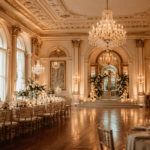
Here’s the truth nobody tells you when you start planning events: guests rarely remember the centerpieces. What they remember, what they talk about on the drive home, is how they felt. Were they welcomed? Did they feel lost trying to find parking? Was it too loud to actually hold a conversation? Vinterra Wedding & Event Venue
A study published in Managing Sport and Leisure found that visitor satisfaction is directly tied to ambient conditions, amenities, and venue convenience. That’s not a minor footnote. It’s the whole argument for why guest comfort deserves to sit at the very center of your planning process, not get tacked on at the end.
Whether you’re coordinating an intimate wedding or a large corporate event, these event planning tips will help you build experiences guests genuinely don’t want to leave.
Content
Essential Event Planning Tips for Maximizing Guest Comfort
The groundwork for guest comfort at events gets laid weeks before the actual day. Decisions about parking flow, check-in logistics, and directional signage aren’t glamorous, but they shape how every single guest walks through your door.
Tulsa, Oklahoma has quietly grown into a surprisingly rich destination for weddings and special celebrations. Venues across the region are raising the bar on personalized hospitality, and within that competitive scene, Vinterra Wedding & Event Venue has built a genuine reputation for treating every event with the kind of care that guests actually feel.
Early Preparations to Ensure a Smooth Arrival Experience
Nobody should arrive at your event flustered. Clear, accurate directions and well-placed signage eliminate that sinking “where do I even go?” feeling before it starts. A greeter with a simple sign near the entrance? That small gesture communicates something important: you were expected here.
Efficient check-in systems keep lines moving and set a calm, welcoming tone right from minute one. Getting this right is low-cost. Getting it wrong is expensive, because a frustrated arrival colors everything that follows.
Prioritizing Accessibility for Every Guest
Real hospitality means every guest feels included, not just accommodated. Wheelchair-accessible pathways, reserved seating options, and properly equipped restrooms aren’t upgrades; they’re the floor. The minimum. Full stop.
And don’t stop at mobility. Guests with food allergies, sensory sensitivities, or dietary restrictions deserve the same thoughtful experience as everyone else at the table. Overlooking these needs isn’t just a logistics failure. It’s a hospitality failure.
Comfort-Driven Seating Arrangements
Seating sounds simple until you’re crammed elbow-to-elbow at a table that’s three inches too small. Ergonomic chair options, adequate spacing between tables, and a layout designed with actual human movement in mind- these things add up fast. Crowded seating turns a good event uncomfortable in a hurry.
Once logistics are locked, the environment itself demands the same level of attention.
Environmental Factors That Shape the Experience
You can have the most stunning venue in the city, but if it’s sweltering, acoustically chaotic, or bathed in harsh fluorescent light, guests will be miserable. The physical environment quietly determines everything.
Optimizing Climate Control and Ventilation
Seasonal planning isn’t optional. Summer outdoor events need misting systems or generously shaded zones. Winter gatherings need reliable heating solutions that actually work. Guests who are physically uncomfortable won’t enjoy the food, the entertainment, or the company, no matter how good any of it is.
Lighting Solutions for Ambiance and Comfort
Layered, adjustable lighting consistently outperforms single-source overhead setups. Warm ambient lighting helps guests relax; task lighting helps them read menus or navigate the space confidently. Avoiding harsh fluorescent overheads is one of those decisions guests will feel without quite being able to name why.
Managing Event Noise and Acoustics
Acoustic management rarely appears in mainstream event planning tips conversations, but it should. Sound zoning, keeping live music physically separate from conversation areas, makes a massive difference, especially for elderly attendees or guests with hearing sensitivities. Designating a quiet retreat zone isn’t excessive. It’s thoughtful.
Strong environmental planning sets the stage. Thoughtful amenities take the experience further.
Innovative Amenities That Lift the Event Guest Experience
The small, unexpected details are what guests actually carry home with them. According to Informa’s Corporate Event News, immersive experiences influence 64% of positive attendee sentiment, while comfortable seating still accounts for 22%, meaning planners have to work on both emotional and physical comfort simultaneously.
Personalized Welcome Gifts and Amenities
Custom welcome packages, a hydration kit, a small comfort item, a themed token- tell guests they were genuinely thought about. These don’t need a big budget. They need intention. Something that feels specific to the event rather than generic goes a long way.
Wellness Stations and Onsite Guest Support
Hydration stations, mobile charging areas, and comfortable lounge zones sustain guest energy through longer events. Visible first aid, lost and found, and a concierge presence give everyone quiet confidence that support exists if they need it.
Modern Technology Solutions for Guest Convenience
Event apps with real-time agendas, seating maps, and live updates hand guests control over their own experience. Digital check-in, online menus, and multilingual displays reduce friction for diverse attendees and keep busy moments from turning into bottlenecks.
Thoughtful Food and Beverage Planning for Guest-Friendly Events
When thinking about how to plan guest-friendly events, ask yourself one honest question: Did every person at that table feel genuinely considered? The food and beverage experience is where that question gets its most honest answer.
Menu Customization for Dietary Needs and Preferences
Allergen labeling, chef consultations, and clearly marked vegan and gluten-free options aren’t extras; they’re table stakes for inclusive catering. Guests with dietary restrictions shouldn’t have to hunt for what they can safely eat or feel like an afterthought.
Catering Stations Designed for Comfort
Station layout determines flow. Long lines and crowded service areas frustrate guests fast. Stations accessible at all mobility levels ensure no guest navigates a harder experience than the person standing next to them.
Activities and Entertainment That Support Guest Comfort
Comfort isn’t purely logistical. What guests do at your event shapes how they feel just as directly as where they sit or what’s on the menu.
Interactive Experiences That Foster Inclusion
Thoughtfully designed icebreakers and social spaces that invite easy conversation help guests, especially those who don’t know many people in the room, feel genuinely at ease. Quiet activity zones for introverted guests, elderly attendees, or children give everyone a comfortable entry point into the experience.
Flexible Event Flow and Scheduling
Built-in downtime between activities is underrated. Guests who feel overscheduled fatigue quickly. Flexible pacing and easy re-entry options for multi-day events respect the range of energy levels and preferences in any crowd.
Final Thoughts on Building Events Guests Actually Love
Strip away the décor, the catering, the entertainment, and what you’re left with is a question: Did every person there feel genuinely cared for? That’s what these event planning tips are really building toward.
Creating a comfortable event means anticipating physical, emotional, and logistical needs before guests ever walk through the door. From accessible seating to inclusive menus to quiet retreat spaces, every decision compounds.
If you’re ready to plan something guests will actually talk about, starting a conversation with Vinterra Wedding & Event Venue might be exactly the right first move.

Planning Questions Answered: What Hosts Most Often Ask
What are the most overlooked comfort features when planning events?
Acoustic management and quiet retreat spaces. Most planners focus on décor and catering while noise levels and the absence of a calm zone quietly undermine the guest experience throughout.
How can outdoor events be made more comfortable?
Seasonal solutions are essential: misting fans for summer, patio heaters for cooler months. Shaded seating, accessible terrain, and weather contingency plans all matter significantly.
How do I accommodate elderly or mobility-impaired guests?
Smooth, flat pathways, reserved accessible seating near key event areas, and clearly marked accessible restrooms. Assigning a staff member to assist when needed ensures these guests feel welcomed rather than merely accommodated.
What’s the best way to collect real-time attendee feedback?
Event apps with in-session polling work well. Simple QR-code surveys at tables or stations give guests a low-pressure, easy way to share honest feedback while the experience is still fresh.
How do follow-up practices leave a lasting impression?
Personalized thank-you notes that reference specific moments from the event go surprisingly far. Paired with prompt lost-item follow-up and a thoughtful departure experience, these gestures shape how guests ultimately remember your event.