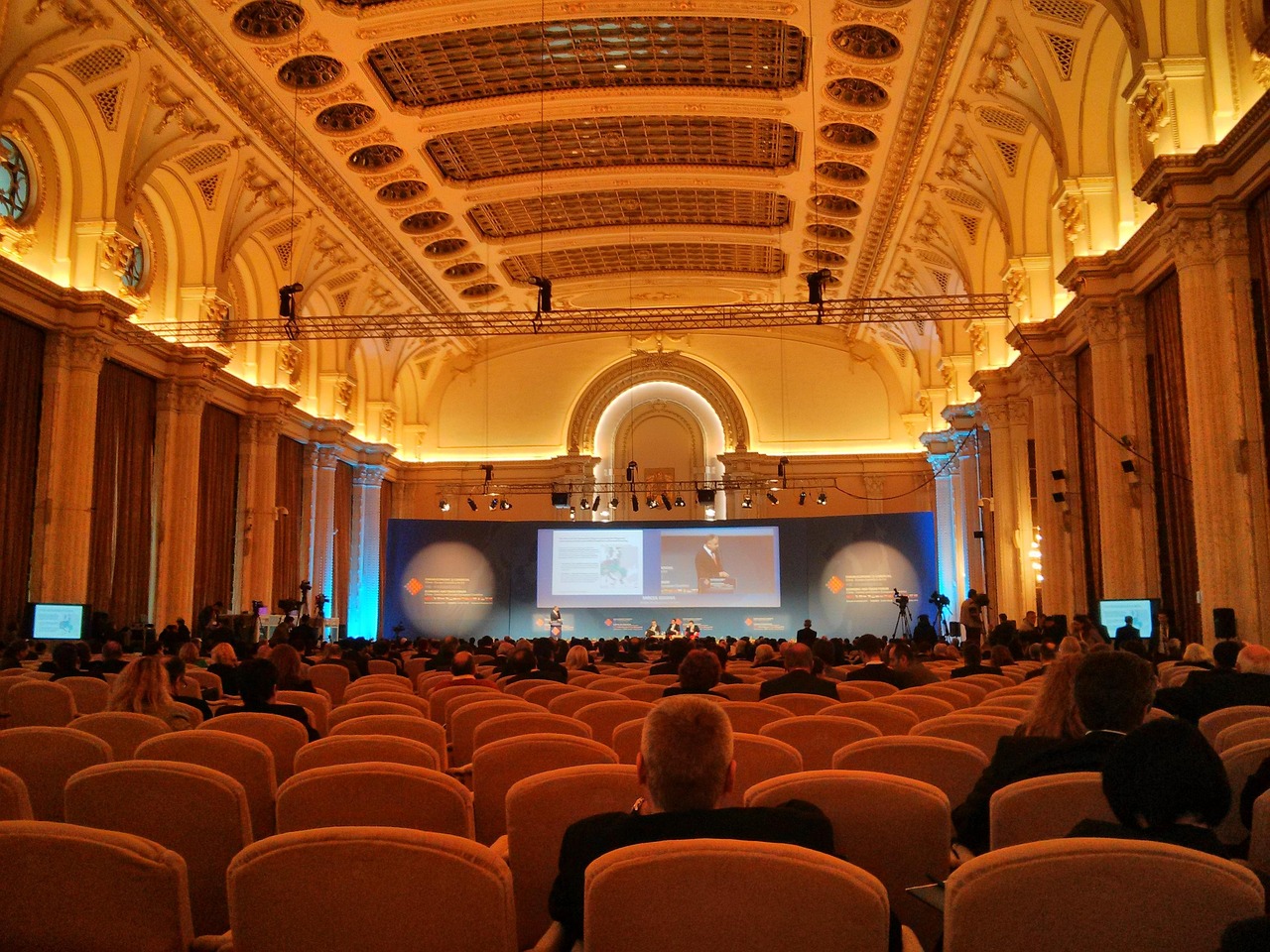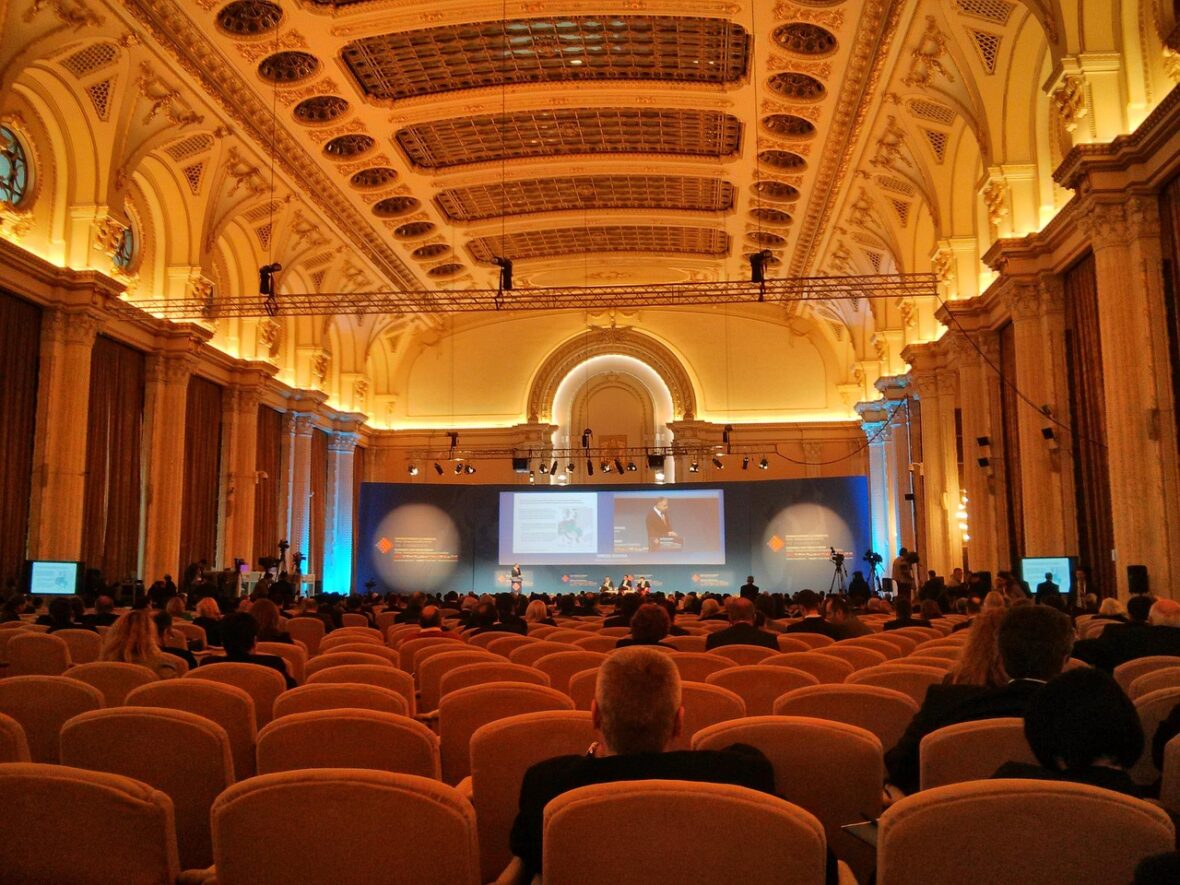
A thorough venue checklist can run to around 26 items you should confirm before signing a contract. That’s a lot of fine print for something that often gets booked after one site visit and a nice lunch. The number matters because most of the expensive surprises in corporate events come from things nobody thought to ask about: who supplies the projector, whether the walls move. Knowing the main venue types before you start makes those 26 questions far easier to answer.
Content
Hotels, Rooftops and Hybrid Studios: What Counts as a Meeting Venue
The term covers more ground than most first-time planners expect. Corporate venue categories commonly include hotels, restaurants and private dining rooms, entertainment venues, outdoor or rooftop spaces, and hybrid studios built for streaming to remote attendees. Add purpose-built conference centres and the looser group of “unique” spaces like lofts and museums, and you have a wide field.
Any room can host a meeting. What separates a good venue from a merely available one is how well it handles the parts around the meeting: food, sleep, sound, sightlines, and the walk between sessions.
Hotel Ballrooms and the Single Contract
Hotels are the default for a reason. A hotel ballroom usually bundles guest rooms and meeting space under one contract, and that simplicity is hard to beat when most of your attendees are flying in. You negotiate once and get one invoice, and people roll out of bed and into the opening session without a shuttle or a taxi queue.
There are trade-offs to understand going in. Hotel meeting spaces often outsource AV, which means the screens and the technician may come from a separate company with its own pricing and its own contract terms. Ask early who the provider is and if bringing your own is allowed. Layouts can also be less flexible than you’d like. A ballroom set theatre-style for a keynote may not convert easily into small discussion clusters an hour later, and breakout rooms might be on a different floor.
None of this rules hotels out. It just means the convenience of one contract works best when your agenda is fairly predictable.
Conference Centres and Convention Centres in the City
These two get confused constantly, and they serve different jobs.
A conference centre is purpose-built for meetings. Expect breakout rooms close to the main hall and AV that’s part of the building rather than wheeled in. If your event involves a lot of switching between plenary talks and small-group work, a conference centre tends to make that smoother than a hotel ballroom would. Planners running training programmes and multi-track internal events often find this is where the day flows best.
Convention centres are the heavy machinery. They make sense when you need large exhibition space alongside meeting rooms in an urban location: a trade show with vendor booths, say, or a product launch with demo floors and seminars running at the same time. The scale is the point.
The catch is accommodation. A convention centre usually requires attendees to book a nearby hotel, so you’ll be managing room blocks with one or more hotels in addition to the venue itself. Build that into your timeline, because the good blocks near big convention centres can go quickly when a large event is in town.
Lofts, Museums and Studios
Unique venues are the ones people remember. A product briefing in a converted warehouse loft or a leadership session in a photography studio with high ceilings and big windows: the setting does some of the work of making the event feel like an occasion.
That memorability comes with more legwork. Unique venues often require you to book AV and catering separately, so a museum might give you a beautiful empty hall and a list of approved caterers, and leave the chairs, tables, staging and sound to you. Budget time as well as money for coordinating three or four suppliers instead of one.
If you’re new to planning, a unique venue works well for a single evening or a half-day event, where the logistics stay manageable and the atmosphere pays off.
Award Dinners, Team Mixers and the Contract Checklist
Start with what the meeting is for, then pick the style of room.
Formal venues tend to suit presentations and recognition ceremonies. These are moments where polish signals respect: good acoustics, proper staging, attentive table service, and a setting that makes guests feel looked after. A well-run corporate meeting venue with dedicated presentation rooms and on-site dining fits this kind of agenda neatly, carrying a group from an afternoon of client sessions into an awards dinner without anyone leaving the property.
Interactive or entertainment venues are often chosen for the opposite effect. When the goal is to mix teams or break down workplace hierarchies, a room with games, a shared activity or a casual rooftop layout gets people talking in ways a boardroom rarely does. Nobody stands on ceremony while losing at bowling to the intern.
Many events need both. A sales kickoff might open with a formal keynote and close with a team social, which can point you toward a venue that has a polished main hall and a more relaxed space for the evening.
Once you’ve narrowed it down, the questions before signing are where that 26-item checklist earns its keep. Ask who provides AV and whether outside suppliers are allowed. Ask how quickly a room can be reset between sessions and what that costs. Find out what’s included in the room rental and what’s billed separately: furniture, linens, staff, cleaning, security. Confirm the cancellation terms and the date by which your final headcount is due, and check the food and beverage minimum. For hotels, check how the room block works and what happens if attendees book fewer rooms than you’ve committed to. For convention centres, ask which nearby hotels the venue works with. For unique venues, ask for the list of approved caterers and rental companies before you fall in love with the space.
Accessibility deserves its own conversation: step-free routes, accessible restrooms near the meeting rooms, hearing loops, and captioning for presentations.
One last tip that saves real grief: on your site visit, ask to see the room set the way your event will be set, or at least ask for a floor plan with your exact headcount drawn in. A ballroom that looks enormous empty can feel cramped once round tables, a stage, a buffet line and a registration desk go in, and you want to find that out before the contract is signed.