If you’re looking for a vibrant mix of culture, history, faith, and fun—Rizal Province has a festival for you. Just a short drive east of Metro Manila, Rizal isn’t just about stunning views of Laguna de Bay and the Sierra Madre mountains; it’s also home to some of the most unique and meaningful celebrations in the Philippines.
As someone who loves exploring places that blend tradition with community spirit, I find the festivals in Rizal truly captivating. They’re not just parties—they’re living stories. Let me walk you through two of the most beloved festivals in the province that perfectly capture this colorful tapestry of life.
Content
Angono’s Higantes Festival: Where Giants Walk and History Talks
Every November, the quiet art town of Angono bursts into life with the Higantes Festival, a spectacle famous for its towering papier-mâché puppets called higantes. These giants, some standing up to 15 feet tall, aren’t just whimsical art pieces—they’re a tribute to the town’s spirit of creativity and resistance.
This tradition actually began as a clever protest during the Spanish colonial era. Back then, Angono was under strict rule, and the locals were only allowed one fiesta per year. So, they created giant puppets that mocked their landlords—a bold move that turned into a symbol of freedom and expression.
Over time, the festival evolved. Thanks to the influence of Filipino National Artist Carlos “Botong” Francisco, the higantes became less about protest and more about celebration—particularly to honor San Clemente, the town’s patron saint and protector of fishermen.

Here are some of the highlights I loved:
- The Higantes Parade – Each barangay brings its own giant puppet, often representing a trade, character, or local identity. It’s quirky, fun, and full of color!
- Basaan Tradition – Everyone gets splashed with water, a playful ritual believed to bring blessings and good luck.
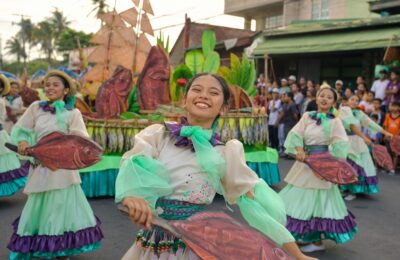
- Parehadores Procession – Young girls in bright costumes carry wooden paddles (sagwan) and shout “Viva San Clemente!” while marching alongside bands.
- Fluvial Procession on Laguna de Bay – A beautiful water parade carrying the image of San Clemente, complete with decorated boats and festive cheers.
The Higantes Festival goes beyond just being a fun event. It’s an art form, a history lesson, and a community gathering all rolled into one. It’s no wonder Angono has earned its title as the “Arts Capital of the Philippines.”
Antipolo’s Sumakah Festival: A Delicious and Devout Celebration
Next up is Antipolo City, known far and wide as the Pilgrimage Capital of the Philippines. Come May 1st, the city comes alive with the Sumakah Festival, named after its local specialties—Suman, Mangga, Kasoy, and Hamaka (a traditional hammock used for carrying people up the hills).
This festival beautifully blends faith and food. It kicks off the Maytime pilgrimage honoring Our Lady of Peace and Good Voyage, with thousands of devotees visiting the famous Antipolo Cathedral throughout the month.

Here’s why this festival stands out:
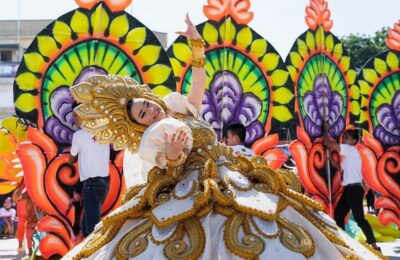
- Grand Street Dancing Parade – Schools compete with colorful costumes and energetic performances that celebrate Antipolo’s culture and local products.
- Local Markets & Food Fairs – You can feast on freshly made suman wrapped in banana leaves, juicy mangoes, and roasted cashew nuts. Don’t miss it!
- Trade Fairs and Exhibits – A great way to support local artisans and learn more about Antipolo’s crafts and industries.
- Pilgrimage and Masses – For many, this is a deeply spiritual journey. The whole city feels like it’s moving in harmony with both celebration and prayer.
The best part about the Sumakah Festival is how it ties the city’s agricultural livelihood with spiritual devotion. It’s a celebration of blessings—both earthly and divine.
Baras: Tromba Festival – Faith in Motion
If you’re in Baras, Rizal, in May, you might find yourself dancing in the streets, getting caught up in the energy of the Tromba Festival. It’s Baras’ own version of Laguna’s “Turumba,” and let me tell you—it’s all about joyful devotion.
The festival started in the 1960s when a local doctor, Hermano Luncio Evangelista, initiated it as an expression of gratitude for a healing he experienced. Back then, it was called Pistang Paa ng Bundok and was more of a quiet procession. But over time, it grew into a full-blown community tradition embraced by the local church.
The celebration now includes:
- Holy Mass – Kicking off the day with reflection and gratitude.
- Pagoda Parade – A fluvial procession along the Baras River.
- Tromba in Ebb Tide – Lively street dancing that brings everyone together.
- Agape Meal – A community feast that celebrates not just faith, but togetherness.
It’s a beautiful blend of solemnity and joy—proof that even deeply personal devotions can blossom into something that binds a whole town.
Binangonan: Binalayan Festival – Bamboo, Boats, and Big Smiles
Come March 29, the lakeside town of Binangonan celebrates its roots with the Binalayan Festival. The name itself is a creative mix of Binangonan, lawa (lake), and kawayan (bamboo), giving you a hint of what to expect—nature, heritage, and craftsmanship.
This festival is all about celebrating the town’s founding anniversary and highlighting local livelihoods tied to the lake and bamboo. Pre-pandemic celebrations featured:
- Street Dances – With performers moving to the beat in colorful, nature-inspired costumes.
- Cultural Presentations – That pay tribute to local history and talents.
- Bamboo and Marine Exhibits – Showcasing handmade crafts and the town’s fishing industry.
It’s a great way to learn about how communities live in harmony with their environment—and how they celebrate it, too!
Cainta: Sumbingtik Festival – Sweet, Spirited, and So Much Fun
If you’ve got a sweet tooth and love a good celebration, the Sumbingtik Festival in Cainta is one for the books. Held every December 1, it celebrates three beloved native delicacies: Suman, Bibingka, and Latik—hence the name Sumbingtik.
Aside from being the town’s founding day, it’s also the feast of Our Lady of Light, making it both a civic and religious affair. The week-long event features:
- Caindakan sa Kalsada – A high-energy street dance competition.
- Serenata Concerts – Beautiful live orchestral music.
- Color Runs & Biker Fun Rides – For the sporty crowd.
- Youth Can Dance and Christmas Tree Lighting – Modern touches that make it appealing to all ages.
What makes this festival stand out is how it mixes tradition with today’s trends. It’s festive, inclusive, and full of flavor—literally and figuratively.
Cardona: Sayawan sa Sapao-an Festival – Dancing with Devotion
Every October 6, the small town of Cardona bursts into motion for the Sayawan sa Sapao-an Festival, honoring Our Lady of the Most Holy Rosary. It’s a day full of music, movement, and meaning.
The heart of the festival is the grand street dance parade, where:
- Groups from all walks of life—schools, churches, NGOs, and even businesses—come together.
- Dancers wear sparkling, colorful costumes and perform traditional Filipino folk dances.
- Each performance is an offering to the Virgin Mary, a gesture of faith wrapped in music and movement.
It’s a beautiful example of how dance can be more than entertainment—it can also be an act of love and gratitude.
Cardona: Kaluskos Bamboo Arch Festival – Art That Sings (Literally)
Still in Cardona, December brings another unique celebration: the Kaluskos Bamboo Arch Festival. This one pays tribute to a truly local art—the making of bamboo arches.
These bamboo structures are often used in weddings, fiestas, and other town events. The festival honors the artisans who keep this folk tradition alive. The word Kaluskos comes from the creaking or squeaking sound bamboo makes when worked on—kind of like the music of the craft itself.
Festival highlights include:
- Exhibits of Intricately Designed Arches – Built with pride and precision.
- Demonstrations – Where you can watch artisans shape and decorate bamboo.
- Community Recognition – Honoring the skill and creativity of local builders.
It’s a quieter, more reflective festival, but no less meaningful. It reminds us that even the creak of bamboo can tell a story—of resilience, skill, and deep cultural roots.
Jalajala: D’Dalaylay Festival – Dancing with Gratitude
Every September 29, the town of Jalajala honors its patron, St. Michael the Archangel, with the colorful and lively D’Dalaylay Festival. While it’s not as widely known as other festivals, it carries a powerful story of faith and thankfulness.
This celebration was born out of the town’s gratitude for being spared from the worst effects of Typhoon Ondoy. That sense of collective relief and spiritual protection became the heartbeat of the festival.
The highlight is the street dance competition, where students and locals don vibrant, creative costumes and fill the streets with energy and color. The dances aren’t just performances—they’re prayers in motion, thanking St. Michael for guarding the town.
Even though there aren’t many traditional food fairs or music events documented, the spirit of community resilience and devotion shines through, making it a festival that’s truly close to the hearts of the people of Jalajala.
Morong: Cordero Festival – A Sweet and Symbolic Tradition
One of the most unique and heartwarming festivals I’ve ever come across is Morong’s Cordero Festival, held every Maundy Thursday. “Cordero” means lamb—a reference to Jesus as the Lamb of God.
Here’s what makes it so special:
- A lamb figure made from mashed sweet potatoes and potatoes, covered in white icing to resemble wool, is paraded through town on a bamboo platform.
- People dress in traditional attire—barong Tagalog and terno, with matching umbrellas for flair and shade.
- A marching band livens up the atmosphere, and after a church blessing, the lamb’s head is ceremonially removed and shared at a community feast.
This one-of-a-kind celebration mixes culinary creativity, religious symbolism, and communal joy. It’s Morong’s way of bringing the story of Holy Week to life through food, art, and shared experience.
Morong: Sanrok Festival – Celebrating Language and Local Identity
Another fun and uniquely Morongueño celebration is the Sanrok Festival, also held on September 30 during the feast of St. Jerome. The name comes from “Sanrok,” which is how the locals say “sandok” (ladle) because of a charming linguistic quirk in their dialect—they often pronounce “D” as “R.”
The festival may not have a long list of activities, but its name alone celebrates something very meaningful: language as culture. It’s a reminder that even the way we speak is part of our identity—and worth celebrating.
Rodriguez (Montalban): Pamitinan Festival – Where History Meets Adventure
Held in Rodriguez, formerly known as Montalban, the Pamitinan Festival isn’t just a celebration—it’s a tribute to a powerful piece of Philippine history. Named after the Pamitinan Cave, this festival marks the town’s founding anniversary and commemorates the first declaration of independence from Spain by Andres Bonifacio and his fellow Katipuneros on April 12, 1895—a year before the Philippine Revolution officially began.
The highlight? A street dancing competition inspired by the legendary story of Bernardo Carpio, the mythical hero said to be holding apart two giant rocks in the Montalban mountains.
But it doesn’t stop there.
This festival also celebrates adventure tourism! With mountain biking, hiking, trail running, and even paramotor sky flying, it’s a dream for thrill-seekers. The celebration ties together history, myth, and nature—a perfect match for anyone who loves culture and the great outdoors.
San Mateo: Kakanin Festival – A Sweet Celebration of Culture and Community
Every September 9, the town of San Mateo turns into a colorful and delicious celebration for the Kakanin Festival. At the heart of this joyful day is their beloved patroness, Nuestra Señora de Aranzazu, who is also regarded as the patron of natural disasters.
This isn’t just a religious event—it’s also a celebration of San Mateo’s rich culinary tradition, especially its beloved rice delicacies or kakanin. The festival starts with a solemn mass, followed by a grand float parade where beautifully decorated floats are filled with kakanin treats like:
- Suman
- Kutsinta
- Puto
- Biko
- Sapin-sapin
- Palitaw
- Bibingka and Puto-Bumbong (for the holiday vibe)
Best part? These sweet treats are shared freely with the public! It’s a tasty way to promote local livelihood, especially for families who sell kakanin as their source of income. The festival is a feast not just for the stomach, but for the heart as well.
Tanay: Hane Festival – A Celebration of Culture, Nature, and Community
One of the most colorful and meaningful events in Rizal happens in Tanay every second week of January—the Hane Festival. If you’ve never heard the word “Hane?”, it’s a warm and familiar Tanayan expression, often used to seek agreement or connection in a conversation.
The Hane Festival celebrates Tanay’s founding anniversary (November 12, 1606) and is all about showcasing what makes this town so special: its adventurous spirit, lush nature, rich culture, and talented people.
Over several days, you’ll find:
- Parades with traditional costumes and music
- Cultural and eco-tourism exhibits
- Indigenous crafts and storytelling
- Food fairs with local delicacies
- Art shows, concerts, and sports competitions
- Community clean-ups and planning sessions
It’s more than just a celebration—it’s a movement for sustainability and heritage preservation, where every resident is encouraged to take part, volunteer, or showcase their craft. Tanay truly earns its title as the “Adventure Tourism Capital of the Philippines” during this time.
Tanay: Rodeo Festival – Yeehaw with a Filipino Twist
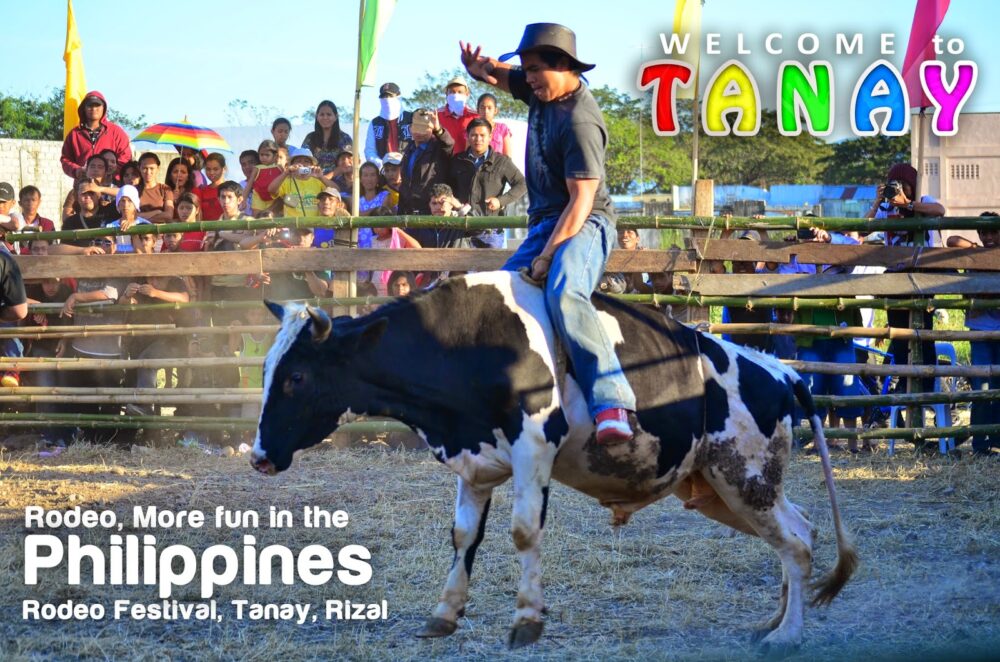
Held during the third week of January, the Tanay Rodeo Festival is a one-of-a-kind celebration that puts a spotlight on Tanay’s cattle industry. It happens in conjunction with the town fiesta and offers a platform for agri-eco tourism.
What’s exciting is that this festival draws veterinary students, animal science professionals, and rodeo enthusiasts from all over the country. Events focus on:
- Livestock handling
- Equestrian skills
- Agricultural exhibitions
Although it might not have the glitz of other festivals, it’s a deeply grounded celebration of local industry, and a great example of how a town can turn its everyday work—farming and livestock—into a unique source of pride and identity.
Binangonan: Giwang-Giwang and Caru-Caruhan – Faith in Motion
In Binangonan, one of the most touching sights during Holy Week is the Giwang-Giwang (or Gewang-Gewang) procession. Held during the Binalayan Festival, this tradition involves people carrying the image of the Santo Entierro (Dead Christ) and gently swaying it as they walk—hence the name, which means “to sway.” It’s solemn, emotional, and truly moving.
An adorable offshoot of this practice is the Caru-Caruhan de Binangonan—a child-friendly version where kids stage their own processions using small statues of saints. It’s not only cute, but also a clever way for the church to educate children about Holy Week and religious traditions in a way that feels fun and meaningful.
Binangonan: Sunduan – A Romantic Walk Down Memory Lane
Also from Binangonan comes the Sunduan, a charming street pageant inspired by an old Filipino courtship ritual. Back in the day, a man would formally “fetch” the woman he was courting, accompany her to town events, and then escort her back home.
Today, the Sunduan is a graceful reenactment of this romantic tradition, involving well-known locals and community figures. It’s an elegant and nostalgic celebration of Filipino chivalry and courtship, reminding us of the gentler times of harana and handwritten love letters.
Baras: Great Feast of San Jose de Baras & Founding Anniversary
Over in Baras, two important events mark the local calendar.
First is the Great Feast of San Jose de Baras, celebrated every March 19 in honor of St. Joseph, the town’s patron saint. Baras’ parish is considered a pilgrimage site, drawing both devotees and tourists who come for prayer, reflection, and thanksgiving.
Then there’s the Independence and Founding Anniversary on January 28. Unlike the typical festival vibe, this is a more community-centered celebration—with simple yet happy barangay parties, public service initiatives, and development programs. It’s a lovely reminder that celebrating doesn’t always mean dancing and parades; sometimes, it’s about togetherness and progress.
Morong: Linguistic Pride through the Sanrok Festival
We’ve mentioned the Sanrok Festival in Morong before, but it deserves another highlight—especially for its unique take on language. The name “Sanrok” itself is a playful twist on “sandok” (ladle), reflecting Morong’s distinct dialect, where “D” often becomes “R.”
This “singsong accent” isn’t just a quirk—it’s part of the town’s cultural identity, and it’s proudly celebrated. Imagine a festival that honors not just a patron saint, but the way people speak. It’s a beautiful example of how language shapes community pride and belonging.
Teresa: AMARA Festival – Beauty in the Earth and the People
In Teresa, Rizal, the AMARA Festival is a celebration rooted in both natural resources and local pride. Celebrated on the first Sunday of March, AMARA stands for:
- Adobe
- MARmol (marble)
- Apog (limestone)
These are the town’s main natural assets, and they play a big part in local industries—especially in the production of beauty and wellness products.
But the AMARA Festival isn’t just about showing off resources—it’s about showing gratitude. It honors St. Rose of Lima, Teresa’s patroness, and showcases the town’s progress in a way that blends faith, tradition, and economic growth. From social media campaigns to flyers, Teresa is proud to put itself on the map—and rightly so!