There are festivals in the Philippines that celebrate a bountiful harvest, others that honor patron saints, and some that bring local history and legends to life through colorful street performances.
In Silay City, Negros Occidental, one festival tells the story of a brave princess whose sacrifice became part of the city’s identity.
This is the Kansilay Festival, also known as the Hugyaw Kansilay Festival, one of the most important cultural celebrations in Silay City.
Every June, the city comes alive with colorful costumes, energetic street dancing, theatrical presentations, music, and community activities. But what makes this festival different is the story behind the performances.
Instead of simply dancing through the streets, participants portray characters from the Legend of Princess Kansilay, a local folktale about courage, love, sacrifice, and the origins of Silay’s name.
For visitors, Kansilay Festival is also a wonderful opportunity to explore a city known for its ancestral houses, preserved architecture, and rich cultural heritage.
If you’re planning to experience this celebration, here’s everything you need to know about Kansilay Festival, from its history and traditions to the best things to see and do in Silay City.
Content
What Is Kansilay Festival?
Kansilay Festival is an annual cultural festival celebrated in Silay City, Negros Occidental, traditionally culminating on June 12, the city’s Charter Day anniversary.
Also called Hugyaw Kansilay Festival, the celebration commemorates Silay’s establishment as a chartered city while honoring the local legend of Princess Kansilay.
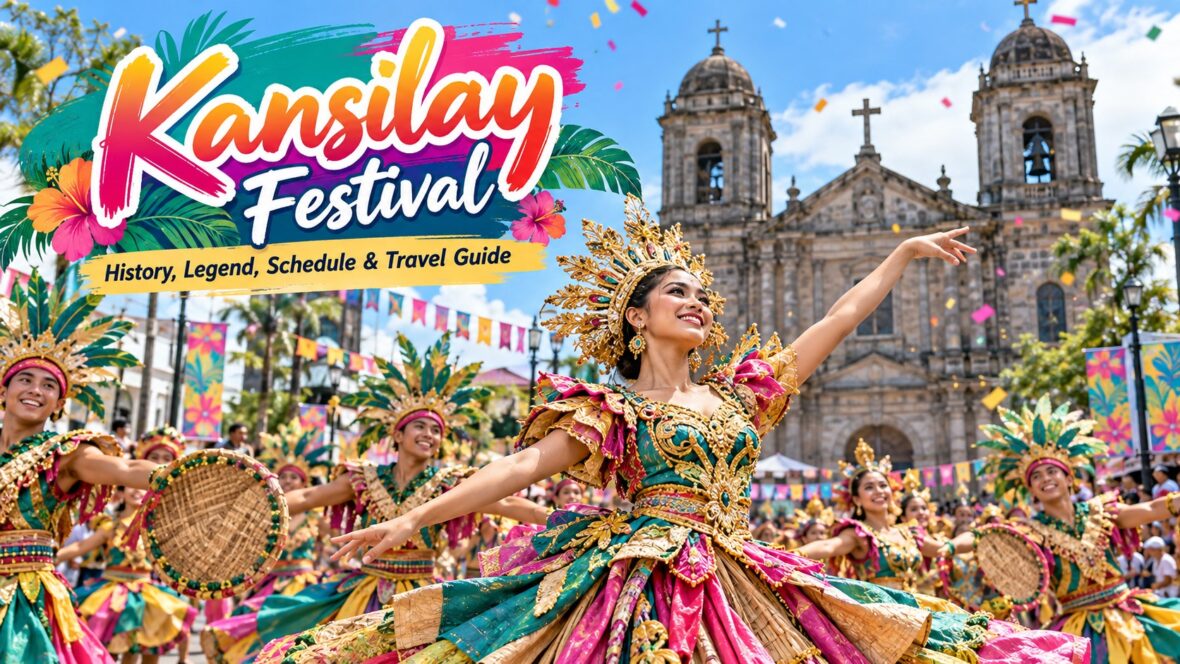
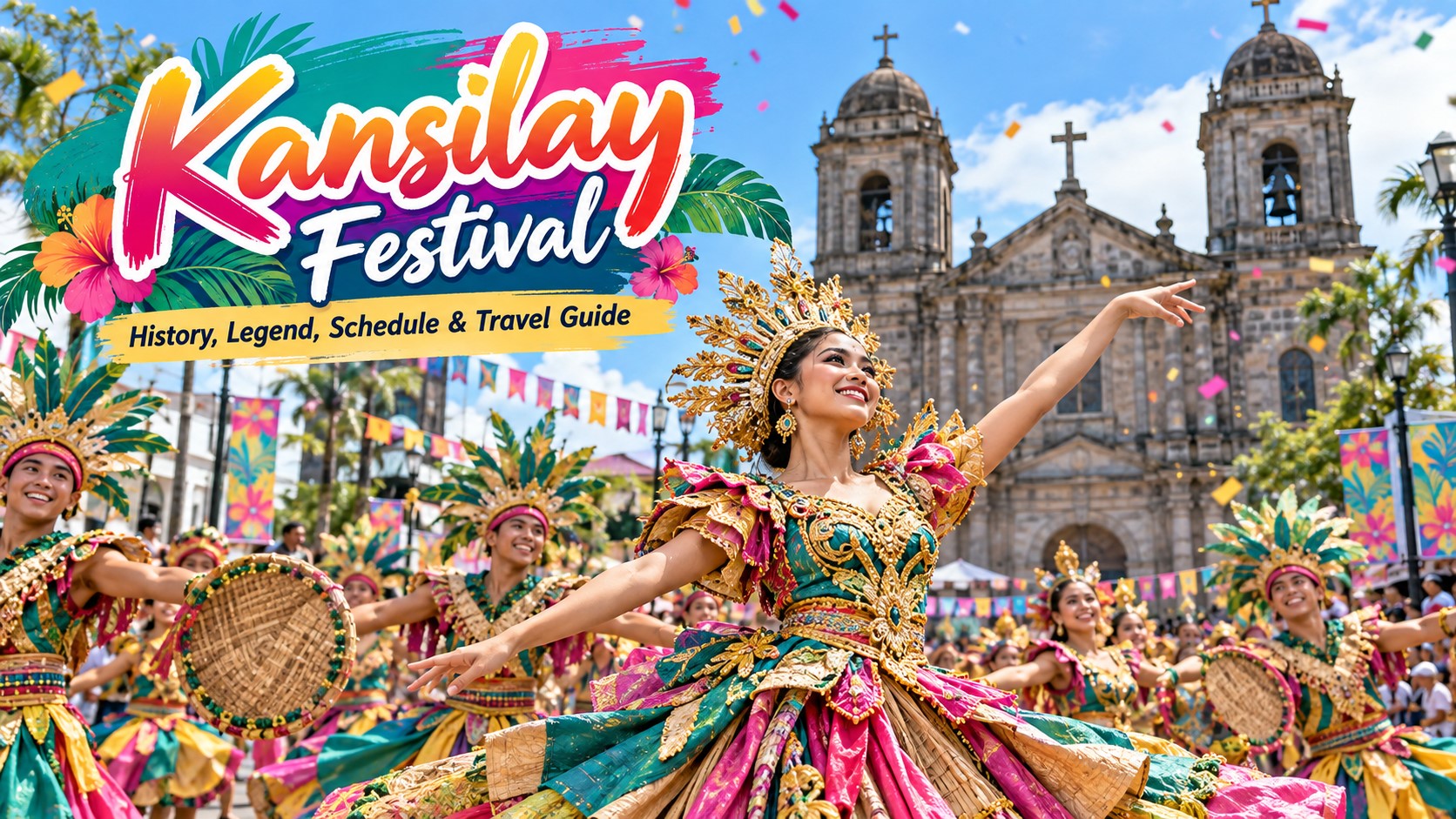
The highlight is a street-dancing and arena dance-drama competition featuring performers representing different barangays of Silay City.
Wearing elaborate costumes and headdresses, the participants bring the legend to life through choreographed dances, dramatic scenes, and music.
The festival also features community celebrations, cultural presentations, pageants, and other activities organized as part of the city’s Charter Day festivities.
One thing visitors should know is that Kansilay Festival is more than a street-dancing event. It is also an expression of Silay’s history, traditions, and identity as one of the cultural centers of Negros Occidental.
Kansilay Festival Quick Facts
| Details | Information |
|---|---|
| Festival name | Kansilay Festival |
| Other name | Hugyaw Kansilay Festival |
| Location | Silay City, Negros Occidental |
| Festival date | Traditionally June 12 |
| Festival season | Early June, with activities extending over several days |
| Main celebration | Silay City Charter Day |
| Festival highlight | Street dancing and arena dance-drama competition |
| Festival inspiration | Legend of Princess Kansilay |
| Type | Cultural and historical festival |
| Organizer | Silay City Government and festival organizers |
When Is Kansilay Festival Celebrated?
Kansilay Festival is traditionally celebrated every June 12 in Silay City, Negros Occidental.
This date is significant because it marks the anniversary of Silay’s conversion into a chartered city on June 12, 1957.
The city was established under Republic Act No. 1621, otherwise known as the Charter of the City of Silay.
Interestingly, June 12 is also Philippine Independence Day, making it a particularly meaningful date for the city’s celebrations.
Although the main festival activities are traditionally associated with June 12, the celebration usually begins earlier in June.
Depending on the year, organizers may prepare a week or more of activities, including cultural shows, sporting events, community programs, pageants, and other entertainment.
The much-awaited street-dancing and arena performances are traditionally among the culminating highlights.
If you’re planning to visit specifically for Kansilay Festival, June 12 is generally the most important date to remember.
However, the exact schedule, venues, competition times, and other activities can change each year. It’s always best to check the announcements from the Silay City Government before making travel arrangements.
The Legend of Princess Kansilay: The Story Behind the Festival
To understand Kansilay Festival, we need to go back to the local legend that inspired its name.
According to the legend preserved in Silay City’s historical accounts, Princess Kansilay lived during the time of the datus and rajahs.
She was remembered as a brave and courageous woman who deeply cared for her people.
One day, pirates attacked the settlement where she lived.
Instead of fleeing, Princess Kansilay led the villagers in defending their community against the invaders.
Armed with a traditional sword called a talibong, she fought alongside her people to protect their homes.
The battle was fierce.
Eventually, the villagers managed to drive away the pirates, but their victory came at a terrible cost.
Princess Kansilay was mortally wounded during the fighting.
According to the story, her beloved arrived just in time to witness her final moments.
The villagers mourned her death and buried her with great sorrow.
Sometime afterward, they discovered that a tree had grown over the place where she was buried.
They called it the Kansilay tree in her memory.
As the story goes, the name Kansilay eventually became associated with the settlement and was shortened to Silay.
This is the legendary explanation for how Silay City got its name.
Of course, it is important to understand that the story of Princess Kansilay is a local folktale, not a historically verified account of an actual battle or individual.
Nevertheless, the legend has become an important part of Silay’s cultural heritage.
Through Kansilay Festival, the story continues to be retold to new generations.
Who Was Princess Kansilay?
In the local legend, Princess Kansilay represents bravery, leadership, and sacrifice.
She is remembered for choosing to defend her people rather than abandoning them during a dangerous attack.
Her character is central to the festival’s street and arena performances.
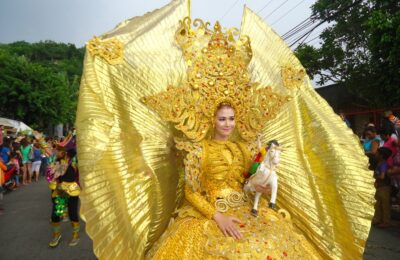
During the dance-drama competition, a female performer typically portrays Princess Kansilay, often wearing an elaborate costume that distinguishes her from the other participants.
Other characters appearing in theatrical interpretations of the legend include Lawaan, associated with Kansilay’s love story, along with figures such as Diwata and Lunok.
These characters help bring the story’s conflict, romance, and dramatic ending to life.
Details of the legend and its theatrical adaptations may vary, but Princess Kansilay remains the central figure.
History of Kansilay Festival
Kansilay Festival is closely connected to the history of Silay City itself.
Before becoming a chartered city, Silay was a town whose development was strongly influenced by agriculture, commerce, and the sugar industry of Negros Occidental.
As the sugar industry expanded, Silay became home to prosperous families who built grand ancestral houses.
The city’s residents also developed a strong interest in education, music, theater, literature, and the arts.
These cultural traditions eventually contributed to Silay’s reputation as the “Paris of Negros.”
The city officially received its charter on June 12, 1957, through Republic Act No. 1621.
Over the years, the Charter Day celebration developed into a major community event.
The Legend of Kansilay eventually became the central inspiration for the cultural performances associated with the anniversary.
How the Street-Dancing Tradition Developed
The modern Kansilay street-dancing tradition has important connections to local theater.
According to cultural writer and festival contributor Jojo La Maria, the festival’s dance-drama evolved from theatrical presentations based on the Legend of Kansilay.
La Maria wrote and directed a Hiligaynon zarzuela about the legend in 1990, with another production staged in 1993.
A zarzuela is a form of musical theater that combines dialogue, music, and dramatic performances.
These productions helped translate the traditional folktale into a staged presentation with characters, a storyline, and dramatic scenes.
La Maria also credited the late Ireneo Reyes with conceptualizing the Kansilay street dance-drama as an inter-barangay competition.
The street-dancing competition was introduced during the 1990s and was later revived in 2008 after a period of inactivity.
Over time, it developed into the colorful public spectacle associated with the festival today.
Unlike festivals built primarily around repeated dance steps or a general celebratory theme, the Kansilay competition is organized around a recognizable narrative.
Participating groups use dance, music, costumes, and theatrical techniques to portray the story of the princess and the community she defended.
This combination of folklore and performance remains one of the festival’s defining characteristics.
What Does Hugyaw Kansilay Mean?
You may notice that the festival is sometimes called Kansilay Festival and sometimes Hugyaw Kansilay Festival.
Both names refer to the same Silay City celebration.
The word “Hugyaw” is associated with joyful noise, cheering, and lively celebration in the local language.
Meanwhile, “Kansilay” refers to the legendary princess and the tree associated with the story of the city’s name.
Together, Hugyaw Kansilay expresses the festive spirit of the celebration while paying tribute to the legendary heroine.
The name is fitting for a festival where music, cheers, colorful costumes, and cultural performances fill the streets.
Highlights of Kansilay Festival
So, what can visitors expect during Kansilay Festival?
While the official activities vary from year to year, several events and traditions have become closely associated with the celebration.
1. Kansilay Street-Dancing Competition
The street-dancing competition is one of the most anticipated events of the festival.
Performers from participating barangays wear colorful costumes and dance through designated streets of Silay City.
Some costumes feature elaborate headdresses, floral decorations, and designs inspired by local culture and nature.
Others incorporate materials and visual elements associated with the characters in the Kansilay legend.
The street performances combine coordinated movements, dramatic expressions, and energetic music.
What makes the competition especially interesting is that participants are not simply dancing for entertainment.
They are also helping tell the story of Princess Kansilay.
For spectators, it is an opportunity to experience the festival’s energy while watching the different barangay contingents present their own interpretations of the legend.
2. Arena Dance-Drama Competition
Another major highlight is the arena dance-drama competition.
Unlike the street-dancing performances, which take place along designated roads, arena presentations are staged in a performance area.
This allows the competing groups to present more elaborate choreographed scenes.
Expect dramatic movements, coordinated formations, large props, music, and costumes designed to help tell the story.
The dance-drama typically depicts different elements of the legend, including the community’s peaceful life, the arrival of danger, the conflict, and the sacrifice of Princess Kansilay.
Some presentations also feature scenes involving her loved ones and other characters from the folktale.
The participating groups compete for recognition in different categories, which may include choreography, costumes, production design, and character portrayals.
For those who enjoy cultural performances, this is one of the most distinctive experiences during Kansilay Festival.
3. Colorful Costumes and Elaborate Headdresses
One of the first things you’ll notice about Kansilay Festival is the incredible variety of costumes.
Festival contingents prepare colorful outfits designed to complement their choreography and interpretation of the legend.
Headdresses, ornaments, flowing fabric, and theatrical accessories help make each performance visually striking.
Some groups incorporate indigenous or locally sourced materials into their costume designs.
Costume design is an important part of the competition because it helps establish the different characters and settings in the story.
For photographers and visitors who enjoy Philippine festivals, the costumes are among the most memorable features of Kansilay.
4. Lin-ay sang Silay Pageant
Another well-known event associated with Silay’s Charter Day celebrations is the Lin-ay sang Silay pageant.
The competition features representatives from the city’s barangays.
Like many local pageants in the Philippines, it provides an opportunity for participants to showcase their confidence, talents, and connection to their community.
The pageant is one of the major cultural and social activities included in the festival calendar.
Its schedule and program vary depending on the year.
5. Cultural Presentations and Community Activities
Kansilay Festival is not limited to street dancing.
Throughout the celebration, Silay City may also host cultural programs, musical performances, community events, and other activities.
Past Charter Day celebrations have included sports competitions, civic parades, pageants, food-related events, and entertainment programs.
These activities help involve different sectors of the community, from students and performers to local organizations and businesses.
Visitors who arrive several days before the main festival date may have opportunities to experience these additional celebrations.
6. Food and Local Delicacies
No Philippine festival experience feels quite complete without trying the local food.
And since Kansilay Festival takes place in Negros Occidental, visitors have plenty of opportunities to discover the region’s culinary specialties.
Silay and nearby Bacolod are known for their food culture, including delicacies associated with the province’s long history of sugar production.
You can look for traditional Negrense dishes, kakanin, local pastries, and other snacks sold by restaurants, bakeries, and food vendors.
One particularly well-known Silay delicacy is piaya, a thin, flaky pastry traditionally filled with muscovado sugar.
Other popular treats in the region include barquillos, butterscotch, and various baked goods.
Food stalls and special food events may also be included in the festival program, depending on the year.
Why Kansilay Festival Is Important to Silay City
Kansilay Festival serves several purposes beyond entertainment.
First, it commemorates Silay’s Charter Day and the city’s development over the years.
The annual celebration gives residents an opportunity to recognize the history of their community and its achievements.
Second, the festival helps preserve a local legend that has become part of Silay’s identity.
Instead of allowing the story of Princess Kansilay to remain only in historical accounts or oral traditions, the community continues to present it through dance, theater, and music.
Third, the festival showcases Silay’s longstanding involvement in the arts.
The city’s cultural reputation is closely connected to its heritage architecture, local artists, musicians, performers, and theatrical traditions.
Kansilay Festival brings many of these elements together.
Finally, it encourages participation among the city’s barangays.
Preparing for a major dance-drama competition involves performers, choreographers, costume designers, musicians, organizers, and community supporters.
The resulting performances reflect the combined efforts of people working together to represent their barangays.
Where Is Kansilay Festival Held?
Kansilay Festival takes place in Silay City, Negros Occidental, in the Philippines.
Silay is located north of Bacolod City and is accessible by land through the main highways connecting communities in northern Negros.
Festival activities are generally concentrated around the city proper, with street-dancing routes and designated performance venues announced by the organizers.
The exact competition route and arena location may change from one celebration to another.
If you’re visiting specifically to watch the street dancing, make sure to check the official event route and schedule.
Some roads in the city center may also be temporarily closed or affected by traffic arrangements during major celebrations.
How to Get to Silay City for Kansilay Festival
One advantage of visiting Kansilay Festival is that Silay is relatively easy to reach, especially for travelers coming from Manila, Cebu, or Bacolod.
From Manila to Silay City
If you’re traveling from Metro Manila, the most convenient option is usually to book a domestic flight to Bacolod–Silay Airport.
The airport is actually located in Silay City, making it a convenient gateway for festival visitors.
After arriving, you can take available airport transportation to Silay City proper.
Depending on availability, transportation options may include taxis, private transfers, or local transport connections.
Check the current airport transport arrangements before your trip because fares and services can change.
From Bacolod City to Silay City
If you’re already staying in Bacolod, traveling to Silay is straightforward.
Silay City is approximately 14 kilometers north of Bacolod.
You can travel by bus, public utility vehicle, taxi, or private car, depending on your starting point and preferred transportation.
The journey commonly takes around 20 to 30 minutes in normal traffic, although travel time can increase during busy periods and festival events.
For budget travelers, public transportation is generally the more affordable option.
Just make sure to confirm the vehicle’s route before boarding.
From Bacolod–Silay Airport
Travelers arriving at Bacolod–Silay Airport can head directly to Silay City proper.
Since the airport is within Silay, you don’t necessarily need to travel all the way to downtown Bacolod if your main destination is the festival.
Ask airport transport providers about available services going to Silay proper.
From Other Parts of Negros Occidental
Silay is connected to neighboring cities and municipalities through the province’s road network.
Travelers coming from Talisay, Victorias, and other communities along the northern highway can reach Silay through regular road transport services.
Those staying farther away may need to transfer between buses or other public utility vehicles.
Best Things to Do in Silay City During Kansilay Festival
One of the best reasons to visit Kansilay Festival is the opportunity to explore Silay itself.
The city is known for its preserved heritage houses and historical landmarks.
In fact, a portion of Silay has been recognized as a National Historical Landmark because of its historic character and significant architecture.
If you have extra time before or after watching the festival performances, consider visiting some of the city’s most recognizable attractions.
Balay Negrense
Balay Negrense is one of the best-known ancestral houses in Silay City.
The heritage house, formerly associated with the Gaston family, offers visitors a glimpse into the lifestyle of prosperous Negrense families during the height of the sugar industry’s influence.
Its preserved architecture, spacious interiors, and historical displays make it an important destination for anyone interested in the city’s past.
Bernardino Jalandoni Museum
Another notable heritage attraction is the Bernardino Jalandoni Museum, also known as the Pink House.
This historic ancestral home is known for its distinctive architecture and connection to Silay’s heritage.
It is another place where visitors can learn about the city’s history and the families who contributed to its development.
San Diego Pro-Cathedral
San Diego Pro-Cathedral is one of Silay City’s most recognizable religious and architectural landmarks.
Located in the historic city center, the church is an important part of the community’s religious life.
Its architecture and location near the public plaza make it a convenient stop during a walking tour of Silay.
Hofileña Ancestral House
The Hofileña Ancestral House is another heritage property associated with Silay’s cultural history.
It is particularly known for its connections to art and heritage preservation.
Visitors interested in historical architecture and local art can consider including it in their Silay itinerary.
Because some heritage houses are privately maintained or operate on limited visiting schedules, checking tour availability in advance is recommended.
Where to Stay During Kansilay Festival
Visitors attending Kansilay Festival can choose to stay in Silay City or nearby Bacolod City.
Staying in Silay is convenient if your main priority is attending the festival activities and exploring the city’s heritage attractions.
Meanwhile, Bacolod offers a wider selection of hotels, restaurants, shopping centers, and transportation services.
Since Bacolod and Silay are relatively close to each other, staying in Bacolod and visiting Silay as a day trip is also a practical option.
For those planning to watch the main performances, consider arranging accommodation and transportation in advance.
Major festival events can attract additional visitors, and road closures may affect normal travel routes.
Travel Tips for Visiting Kansilay Festival
If you’re planning your first visit, here are a few practical reminders.
- Plan around June 12. This is traditionally the main festival date, particularly for the street-dancing and arena performances.
- Check the official festival schedule. The organizers announce the final activities, competition routes, venues, and event times for each edition.
- Arrive early for major performances. Popular viewing areas may become crowded, especially during the street-dancing competition.
- Wear comfortable clothes and shoes. Expect plenty of walking, standing, and outdoor activities.
- Bring water and sun protection. June is generally part of the rainy season in the Philippines, but hot and humid conditions are still possible during daytime events.
- Prepare for changing weather. Carrying a compact umbrella or light raincoat can be helpful.
- Bring cash. Smaller vendors and local transportation providers may not always accept digital payments.
- Respect the performers and cultural presentations. Avoid blocking parade routes or entering performance areas just to take photos.
- Allow extra time for transportation. Traffic arrangements and temporary road closures may affect travel during major festival activities.
- Explore the heritage district. If your schedule allows, make time to visit Silay’s ancestral houses and historical landmarks.
Is Kansilay Festival the Same as Silay City’s Fiesta?
Not exactly.
Silay City has two important annual celebrations that visitors should distinguish.
Kansilay Festival is associated with the city’s Charter Day celebration every June 12.
Meanwhile, Silay also celebrates the feast of its patron saint, San Diego de Alcalá, on November 13.
The November celebration has a stronger religious focus, while the June Charter Day festivities prominently feature cultural presentations and the Kansilay dance-drama.
Both celebrations are important to Silay’s identity, but they commemorate different occasions.
Some older references also discuss Kansilay performances in connection with the November fiesta. However, the contemporary Hugyaw Kansilay Festival is primarily associated with the June Charter Day celebration.
What Makes Kansilay Festival Different From Other Philippine Festivals?
The Philippines has many festivals famous for their colorful costumes and energetic dances.
But Kansilay Festival has a distinctive feature: its main performance follows a story.
Participating contingents portray characters and events from a local legend rather than presenting dances without a central narrative.
The story includes romance, conflict, heroism, and sacrifice.
That gives the dance competition a theatrical character.
The festival also takes place in a city with an established tradition of performing arts and heritage preservation.
This combination of storytelling, theater, music, and community participation is central to the festival’s identity.
For visitors who enjoy learning about the stories behind Philippine festivals, Kansilay offers an opportunity to experience local folklore through live performance.
Kansilay Festival 2026: Recent Celebration
The 2026 Kansilay Festival was held in connection with Silay City’s 69th Charter Anniversary.
The festival celebrations ran from June 1 to June 12, 2026, under the theme “One Silay: Empowered Legacy, Resilient Community.”
Activities included the Lin-ay sang Silay pageant and other Charter Day programs.
The traditional June 12 celebration remained the central date of the festival.
The Kansilay cultural performances also received recognition earlier in the year.
On April 13, 2026, the Kansilay Festival contingent representing Silay City won the city category of the Best of Festival Dances Competition during the 30th Panaad sa Negros Festival in Bacolod City.
This achievement added another distinction to Silay’s festival tradition.
For future editions, visitors should check the announcements from the Silay City Government for confirmed activity schedules, venues, and transportation advisories.
Frequently Asked Questions About Kansilay Festival
When is Kansilay Festival celebrated?
Kansilay Festival is traditionally celebrated every June 12 in Silay City, Negros Occidental, in connection with the city’s Charter Day anniversary.
Additional activities usually take place during the preceding days.
Where is Kansilay Festival held?
The festival is held in Silay City, Negros Occidental, Philippines.
Its street-dancing and arena performances take place at designated routes and venues within the city.
What is Kansilay Festival known for?
It is best known for colorful street dancing and theatrical arena performances portraying the Legend of Princess Kansilay.
Who is Princess Kansilay?
Princess Kansilay is a legendary heroine who, according to local folklore, defended her community against pirate invaders and sacrificed her life during the battle.
Her story is associated with the legendary origin of Silay City’s name.
Why is it called Kansilay Festival?
The name comes from Princess Kansilay and the Kansilay tree associated with the legend explaining the origin of Silay’s name.
What is the history of Kansilay Festival?
The festival is connected to Silay City’s Charter Day, which commemorates the approval of Republic Act No. 1621 on June 12, 1957.
The modern street dance-drama developed from local theatrical adaptations of the Princess Kansilay legend, including productions staged during the 1990s.
Is Kansilay Festival religious?
Kansilay Festival is primarily a cultural and historical celebration associated with Silay’s Charter Day.
Silay City’s separate patronal feast in honor of San Diego de Alcalá is celebrated in November.
How far is Silay City from Bacolod?
Silay City is approximately 14 kilometers north of Bacolod City.
Travel generally takes around 20 to 30 minutes by road in normal traffic, depending on your starting point.
What is the main event of Kansilay Festival?
The main highlight is the street-dancing and arena dance-drama competition, where participating barangay contingents perform interpretations of the Legend of Princess Kansilay.
What is the best time to visit Kansilay Festival?
June 12 is traditionally the best date for visitors who want to experience the main festival performances.
Those interested in other cultural programs and community activities can also visit during the earlier festival days.
Final Thoughts
Kansilay Festival is one of the cultural celebrations that give Silay City its distinct identity.
What began as a way of honoring a local legend has developed into a colorful annual celebration that brings together history, folklore, theater, music, and community participation.
At the center of it all is the story of Princess Kansilay, whose bravery and sacrifice continue to be remembered through the festival’s performances.
But there’s more to experience beyond the street dancing.
Silay’s ancestral houses, historical landmarks, local delicacies, and rich artistic traditions make the city an interesting destination for anyone exploring Negros Occidental.
If you’re planning a trip to Bacolod or other parts of northern Negros, consider including Silay City in your itinerary, especially during the June Charter Day celebrations.
It’s an opportunity to discover another side of Negros Occidental, where an old legend continues to live through the people, culture, and traditions of the city.