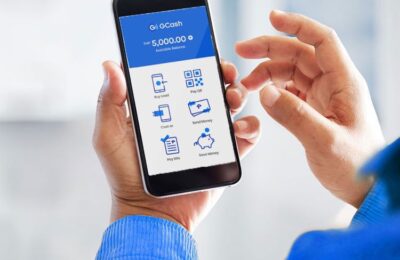
Sending money from the United States to the Philippines used to mean visiting a remittance center, filling out a form, handing over cash and telling your family back home to wait for a reference number.
You can still do that.
But today, sending money to the Philippines can be as simple as opening an app in California, Texas, New York or Hawaii and depositing pesos directly into a BDO account, a BPI account or even someone’s GCash wallet.
The harder question isn’t really how to send money anymore.
It’s this:
Which service gives your recipient the most Philippine pesos for your dollars?
That’s where things get interesting.
A service advertising a “$0 transfer fee” isn’t necessarily the cheapest. Another provider charging a $4 fee could actually deliver more pesos because it offers a better USD-to-PHP exchange rate.
Speed varies too. Some transfers can arrive within seconds or minutes, while others can take several business days.
And beginning in 2026, there’s another issue U.S. senders should understand: the new 1% federal remittance tax on certain transfers funded with cash and similar physical payment methods.
So let’s break everything down.
Content
Quick Answer: What Is the Best Way to Send Money From the USA to the Philippines?
There isn’t one service that’s cheapest for every transfer.
For most people, these are the options I’d compare first:
| Service | Particularly Good For | Philippines Receiving Options |
|---|---|---|
| Wise | Transparent exchange rates and bank deposits | Philippine bank accounts |
| Remitly | Promotions and many payout choices | Bank, GCash/mobile wallet, cash pickup, home delivery |
| Xoom | PayPal users and fast Philippine payouts | Banks, GCash/mobile wallets, cash pickup, home delivery |
| Western Union | Cash pickup and large physical network | Cash, bank, GCash/Maya and other wallets |
| MoneyGram | Cash pickup, GCash and digital deposits | Bank, GCash, debit card, cash pickup |
All five can be good.
The winner can change depending on:
- How much you’re sending
- The current USD/PHP exchange rate
- Your payment method
- Whether the recipient wants cash or digital money
- How quickly the money is needed
- Whether you’re a first-time customer receiving a promotional rate
- Transfer limits
- Where you live in the United States
That means the smartest approach is not to become blindly loyal to one service.
Compare the final peso amount received.
That’s the number that matters most.
The Real Cost of Sending Money to the Philippines
This is probably the most important concept in this entire guide.
When people compare remittance companies, they often look only at the transfer fee.
That’s a mistake.
The real cost typically involves two things:
1. Transfer fee
You might see something like:
$0 fee
$2.99 fee
$4.99 fee
or another amount.
2. Exchange-rate markup
The provider converts U.S. dollars into Philippine pesos.
The rate you receive may be different from the current market exchange rate.
That difference can effectively become another cost.
The Consumer Financial Protection Bureau requires covered remittance providers to disclose important information before you pay, including the exchange rate, transfer fees, certain taxes and the amount expected to reach your recipient.
So instead of asking:
“Which company charges the smallest fee?”
ask:
“If I spend exactly $500, how many pesos will my family actually receive?”
That’s the comparison that matters.
Example: Why a $0 Fee Isn’t Always Cheapest
Imagine two companies.
Company A says:
$0 transfer fee
Company B says:
$4 transfer fee
Company A sounds cheaper.
But suppose Company A gives you an exchange rate that results in your recipient receiving ₱30,500.
Company B charges $4 but gives your recipient ₱30,800.
Company B is effectively the better deal even though it charged a visible fee.
This is why you should always compare the final:
“Recipient receives”
amount.
And compare providers at roughly the same time because currency exchange rates move throughout the day.
1. Wise: Good for Transparent Bank Transfers
Wise is one of the first services I’d check if the recipient has a Philippine bank account.
Its main selling point is straightforward pricing.
Wise says it uses the mid-market exchange rate and charges its transfer fee separately rather than hiding the entire cost inside an inflated currency conversion rate.
At the time this guide was checked, Wise’s U.S.-to-Philippines calculator showed an illustrative $500 transfer funded by direct debit costing about $4.18, while other payment methods such as debit or credit cards were significantly more expensive. Rates and fees change, so the live quote is what matters when you’re actually sending.
That illustrates another important lesson:
Even within one remittance company, your payment method can dramatically change the cost.
How Can Filipinos Receive Wise Transfers?
For this corridor, Wise primarily focuses on sending money directly into a local Philippine bank account.
Your recipient does not necessarily need their own Wise account.
You provide the recipient’s local bank details, and the funds are deposited there.
This can work well if you’re sending money to someone with:
- BDO
- BPI
- Metrobank
- UnionBank
- PNB
- Another supported Philippine bank
Availability should always be checked before completing your transfer.
How Fast Is Wise?
It can be extremely fast.
Wise says 74% of its transfers overall arrive in under 20 seconds and 95% in less than one day, although actual delivery time depends on the transfer route and how you pay. Its U.S.-to-Philippines calculator provides an estimated arrival time before confirmation.
Don’t assume every Wise transfer will arrive instantly.
Verification, banks, weekends and funding method can all affect timing.
Wise may be best for:
Someone who prioritizes:
- Exchange-rate transparency
- Bank deposits
- Low-cost digital transfers
- Comparing costs clearly
2. Remitly: Excellent for Filipino Families Who Want Choices
Remitly is another major player in the U.S.-Philippines remittance market.
One advantage is the number of ways your family can receive money.
Remitly currently supports Philippine delivery options including:
- Bank deposit
- Cash pickup
- Mobile wallet
- Home delivery
Its Philippine payout network includes names familiar to Filipino families such as:
- BDO
- BPI
- GCash
- Maya
- Cebuana Lhuillier
- M. Lhuillier
- PNB
- LBC
- RCBC
- Security Bank
- USSC
This is especially useful if your recipient doesn’t have—or doesn’t want to use—a traditional bank account.
Remitly First-Transfer Promotions
Remitly frequently promotes special rates or zero-fee offers for new customers.
As of September 2026, its U.S.-Philippines page was advertising a promotional exchange rate and no fee for qualifying first transfers, with conditions and a limit on how much of the transfer qualified for the promotional FX rate.
Those offers can be attractive.
But remember:
A promotional rate is not the normal long-term rate.
If you’re sending money every month, don’t judge Remitly—or any other provider—based solely on what it gives you for transfer No. 1.
Check transfer No. 2, No. 3 and onward.
That’s when you’ll know whether it remains competitive for you.
Remitly may be best for:
People who want:
- GCash transfers
- Bank deposits
- Cash pickup
- Home delivery
- A first-transfer promotion
- Multiple Philippines payout partners
3. Xoom: Very Convenient for PayPal Users
If you already use PayPal in the United States, Xoom may feel particularly familiar.
Xoom is a PayPal service and allows U.S. customers to fund eligible transfers using options such as:
- PayPal
- Bank account
- Debit card
- Credit card
Its Philippines network is extensive.
Ways to Receive Xoom in the Philippines
Xoom currently offers:
Bank deposit
Including major Philippine banks such as:
- BDO
- BPI
- Metrobank
- PNB
Mobile wallets
Including:
- GCash
- Maya and other eligible wallets
Cash pickup
Including networks such as:
- Cebuana Lhuillier
- M. Lhuillier
Home delivery
Xoom even offers door-to-door cash delivery in supported Philippine areas.
That’s something you won’t find with every transfer platform.
How Fast Is Xoom to the Philippines?
This is one area where Xoom can be particularly useful.
Xoom says:
- Cash pickup is typically available within minutes.
- Mobile-wallet transfers are typically completed within minutes.
- Deposits to BDO, Metrobank and PNB are typically completed within minutes.
- Other Philippine bank deposits typically arrive within hours.
- Eligible debit-card deposits can arrive within minutes.
- Home delivery may arrive within six hours in Metro Manila for qualifying transfers sent before the cutoff, while many provincial deliveries take one to two days.
Actual timing can vary.
For an emergency transfer to family, that flexibility can matter more than saving another dollar or two.
Xoom may be best for:
- Existing PayPal users
- Emergency transfers
- GCash transfers
- Cash pickup
- Bank deposits
- Families needing home cash delivery
4. Western Union: Best Known for Cash Pickup
Western Union remains one of the most recognizable money-transfer companies in the world.
And for the Philippines, cash pickup continues to be one of its biggest strengths.
Western Union says its Philippine network includes more than 21,000 agent locations, along with bank and digital-wallet payout options.
Its Philippine partners include familiar names such as:
- BDO
- BPI
- Philippine National Bank
- GCash
- Maya
- LBC
- GoTyme Bank
- RCBC
- Security Bank
- China Bank
- EastWest
- SeaBank
among others.
Can You Send Western Union Directly to GCash?
Yes, eligible transfers can be sent to supported Philippine mobile wallets including GCash.
Western Union’s U.S.-Philippines page currently advertises $0 transfer fees for qualifying GCash transfers, although exchange rates and other terms still need to be reviewed.
Again:
“$0 transfer fee” does not automatically mean “zero total cost.”
Western Union states that it makes money from currency exchange, so always compare the actual peso payout.
How Fast Is Western Union?
Speed varies considerably by delivery method.
Western Union says a mobile-wallet transfer can be available within minutes, cash pickup may be available the same day, while some bank transfers can take as long as five days.
For urgent cash pickup, it’s one of the strongest options to compare.
Western Union may be best for:
- People who prefer sending in person
- Recipients without bank accounts
- Provincial cash pickup
- GCash/Maya users
- Older relatives more comfortable receiving cash
- Senders who want a very large physical agent network
5. MoneyGram: Strong for GCash and Cash Pickup
MoneyGram is another service worth checking before you send.
It supports transfers from the United States to the Philippines through:
- Bank accounts
- GCash
- Debit cards
- Cash pickup
MoneyGram’s current Philippine network includes payout relationships with services and locations such as:
- GCash
- BDO
- Cebuana Lhuillier
- M. Lhuillier
- Palawan Express
- LBC
- USSC
and others.
Can You Send MoneyGram to GCash?
Yes.
MoneyGram says you can send directly from the United States to a recipient’s GCash wallet using the mobile number registered to the GCash account.
The sender doesn’t need a GCash account.
That’s useful for Filipino Americans supporting relatives who use GCash for:
- Groceries
- Utilities
- Mobile load
- Online purchases
- Transfers
- Bills
- Transportation
How Fast Is MoneyGram?
MoneyGram says GCash and cash-pickup transfers are typically fast and many arrive within minutes.
Bank deposits can also be instant or arrive within minutes in some cases, though timing depends on the receiving bank and verification.
If speed is especially important, MoneyGram recommends checking the delivery estimate before sending and notes that mobile-wallet, cash-pickup and eligible debit-card transfers are generally among its faster delivery methods.
Wise vs Remitly vs Xoom vs Western Union vs MoneyGram
Here’s a more practical comparison.
| If Your Priority Is… | Services I’d Compare First |
|---|---|
| Lowest overall bank-transfer cost | Wise + Remitly |
| Best first-transfer deal | Remitly + Western Union + MoneyGram |
| PayPal integration | Xoom |
| GCash | Remitly, Xoom, Western Union, MoneyGram |
| Cash pickup | Western Union, MoneyGram, Remitly, Xoom |
| Provincial recipient without bank | Western Union or MoneyGram |
| Home cash delivery | Xoom or Remitly where available |
| Exchange-rate transparency | Wise |
| Emergency money | Xoom, MoneyGram, Western Union, Remitly |
| Monthly bank support | Wise, Remitly, Xoom |
I wouldn’t interpret that table as a permanent ranking.
Remittance prices change constantly.
Cheapest Way to Send Money to the Philippines
For digital bank-to-bank transfers, Wise is often one of the first services worth checking because it explicitly uses the mid-market exchange rate and shows its fee separately.
But that doesn’t mean Wise will win every time.
Remitly may beat it during a promotional period.
Xoom may offer a strong rate for a particular payout option.
Western Union may temporarily waive a fee.
MoneyGram may offer a first-transfer promotion.
So here’s the method I’d use.
Open three providers before sending.
Enter the exact same amount.
For example:
You spend: $500
Then compare:
Recipient receives: ₱_____
Don’t send yet.
Whichever legitimate provider gives your recipient the best combination of:
- Peso amount
- Delivery speed
- Convenience
wins that transfer.
It doesn’t need to win forever.
Fastest Way to Send Money to the Philippines
If speed matters more than squeezing out every last peso, I’d generally look at:
GCash/mobile-wallet transfer
Often among the fastest.
Several major remittance services report mobile-wallet delivery in minutes for eligible Philippine transfers.
Cash pickup
Can also be available within minutes once the transfer is approved.
Eligible debit-card deposit
Some providers support near-instant or minutes-level card deposits.
Bank transfer
Can be very fast—but timing varies dramatically by bank, provider, funding method and transfer review.
Don’t assume that “bank transfer” automatically means several days.
Today, some Philippine bank deposits can arrive almost immediately.
Sending Money Directly to GCash From the USA
This is becoming one of the most convenient ways to support family in the Philippines.
You can use services such as:
- Remitly
- Xoom
- Western Union
- MoneyGram
to send eligible transfers to a Philippine GCash wallet.
Usually you’ll need your recipient’s:
- Full name
- Philippine mobile number registered to GCash
Some providers may request additional information.
Your recipient should also make sure their GCash account is active and can receive the amount you’re sending.
Wallet limits may apply.
Why GCash Can Be Better Than Cash Pickup
Suppose your mother in Cavite needs ₱10,000.
With cash pickup, she might have to:
- Travel to a branch.
- Wait in line.
- Present identification.
- Carry the cash home.
With GCash, the money can potentially arrive directly on her phone.
She could then use it to:
- Pay electricity
- Buy groceries
- Send money
- Pay merchants
- Buy load
- Transfer to a bank
without immediately handling physical cash.
For many Filipino households, that’s extremely convenient.
But there are still situations where cash pickup makes more sense—especially for recipients who aren’t comfortable with mobile wallets.
Sending Directly to BDO, BPI, Metrobank and Other Banks
If your recipient already has a Philippine bank account, direct deposit is usually one of the cleanest options.
Depending on the provider, you may be able to send directly to major banks including:
- BDO
- BPI
- Metrobank
- PNB
- UnionBank
- LandBank
- RCBC
- Security Bank
- China Bank
- EastWest
and others.
You’ll normally need:
- Recipient’s legal name
- Bank name
- Account number
- Sometimes additional bank or address information
Double-check the account number.
Then check it again.
Sending money to the wrong account can be much harder to fix than catching the mistake before pressing “Send.”
Cash Pickup in the Philippines
Cash remains important, particularly outside major urban areas.
Major pickup networks can include:
- Cebuana Lhuillier
- M. Lhuillier
- Palawan Express
- LBC
- USSC
- Western Union locations
- Partner banks and remittance centers
Availability differs by remittance provider.
Cash pickup is useful when your recipient:
- Doesn’t have a bank account
- Doesn’t use GCash
- Needs physical pesos
- Lives near a remittance branch
- Isn’t comfortable with online banking
What Does Your Recipient Need for Cash Pickup?
Generally, they’ll need:
- Valid government-issued ID
- Transfer/reference number
- Name matching the transfer record
This last one matters.
MoneyGram specifically warns that recipient names should match the person’s government-issued identification. Filipino names can include multiple given names, middle names and suffixes such as Jr. or III, so it’s worth entering the information carefully.
If your father is legally:
Juan Miguel Santos Reyes
don’t casually enter:
Johnny Reyes
because that’s what everyone calls him.
Use his actual legal name.
Important 2026 Update: The New 1% U.S. Remittance Tax
This deserves special attention.
Beginning January 1, 2026, the United States imposed a new 1% excise tax on certain international remittance transfers.
But the rule is much narrower than saying:
“Every money transfer abroad now has a 1% tax.”
That’s not accurate.
The IRS says the tax applies when a sender funds an applicable remittance using physical methods such as:
- Cash
- Money order
- Cashier’s check
The Treasury/IRS proposed regulations also include traveler’s checks.
Do Online Remittances Pay the 1% Tax?
Many commonly used digital funding methods do not trigger the new tax.
The IRS guidance explains that remittances funded by withdrawals from qualifying financial accounts are excluded, and the statute excludes eligible transfers funded by U.S.-issued debit or credit cards. The 2026 proposed regulations also clarify treatment of ACH transfers and other payment methods.
So if you fund an online transfer directly from your U.S. bank account or use an eligible card, your treatment can be very different from walking into a remittance center and handing over cash.
Xoom, for example, specifically states that its transfers are not subject to the 1% tax because its digital service does not accept the affected physical funding methods.
This is another reason digital remittance services may be worth considering in 2026.
What Does a 1% Remittance Tax Mean in Dollars?
For an affected cash-funded transfer:
$100 transfer → $1 tax
$500 transfer → $5 tax
$1,000 transfer → $10 tax
$2,000 transfer → $20 tax
Again, this does not mean every international transfer gets taxed 1%.
It depends on how the transfer is funded.
The IRS says the sender is liable for the tax while covered remittance providers are responsible for collecting it.
Bank Transfer vs Remittance App
You might wonder:
Why not just wire money from your U.S. bank directly to a Philippine bank?
You can.
Traditional international bank transfers can make sense for:
- Large transactions
- Business payments
- Property-related payments
- Customers who already have favorable banking arrangements
But for routine family remittances, don’t assume a bank wire is automatically cheaper.
Potential costs can include:
- Outgoing wire fee
- Currency conversion spread
- Intermediary-bank fees
- Receiving-bank charges
The CFPB notes that recipients may in some situations receive less because of fees charged by receiving banks or other institutions involved in the transfer.
So compare the final amount just as you would with a remittance app.
Should You Use a Credit Card to Send Money?
I’d be cautious.
A credit card can be fast and convenient, but it isn’t always the cheapest funding method.
Wise, for example, currently shows significantly higher transfer costs for credit-card funding than direct debit on its U.S.-Philippines route. It also warns that some card issuers may treat certain money-transfer transactions like cash withdrawals and impose additional charges.
Potential credit-card costs can include:
- Provider fee
- Cash advance fee
- Cash advance APR
- Immediate interest
- Other issuer charges
Check your card’s terms before using it to fund a remittance.
A $5 transfer fee isn’t very appealing if your card issuer then hits you with additional cash-advance costs.
Debit Card vs Bank Account
A debit card may offer faster funding.
A bank-account transfer may cost less.
That’s the typical trade-off—but it isn’t universal.
Before sending, compare both funding methods inside the app.
You might find something like:
Bank account:
Cheaper but slower
Debit card:
Faster but slightly more expensive
Then decide whether the family needs the money today or can wait.
What Information Do You Need to Send Money?
Have these details ready.
About you
You may need:
- Full legal name
- Address
- Phone number
- Date of birth
- Government-issued identification
- Social Security-related identity information when required for verification
- Funding method
Providers are required to comply with U.S. financial regulations and may request additional information, particularly for larger or unusual transfers.
About your recipient
You may need:
- Full legal name
- Address
- Phone number
- Bank account details
- GCash/mobile number
- Cash pickup location
depending on the receiving method.
Why Is My Transfer Being Reviewed?
Sometimes a transfer that normally arrives in minutes suddenly doesn’t.
That doesn’t necessarily mean something went wrong.
Money-transfer companies conduct identity, fraud and regulatory checks.
Additional review may happen if:
- You’re a new customer
- You’re sending a larger amount
- Your sending pattern suddenly changes
- Recipient information doesn’t match
- Your payment method needs verification
- Additional documentation is requested
- The transaction triggers anti-fraud or compliance review
MoneyGram, for example, notes that additional documentation may be required depending on the transfer amount or if identity cannot be verified.
Don’t promise your family:
“The money will definitely arrive in five minutes.”
Tell them the estimated delivery time shown by the provider.
What If You Enter the Wrong Account Number?
Contact the transfer company immediately.
Do not wait until tomorrow.
U.S. consumer protections can cover certain international remittance errors, but the CFPB notes that a provider may not be required to refund or resend funds if the problem resulted from incorrect account information you supplied and the provider followed required procedures.
So prevention is much easier than recovery.
Before confirming:
Check the recipient name.
Check the bank.
Check the account number.
Check the phone number.
Then check them one more time.
Can You Cancel an International Money Transfer?
In many situations, yes—but move quickly.
Under U.S. remittance rules, you generally have up to 30 minutes after payment to cancel an eligible international remittance transfer at no charge, provided the money hasn’t already been picked up or deposited.
If you scheduled a transfer in advance, separate cancellation rules can apply. The CFPB says eligible scheduled transfers can generally be canceled up to three business days before they’re made.
This is another reason to save your confirmation email and receipt.
What If the Money Never Arrives?
Contact the provider immediately.
Under U.S. federal remittance protections, consumers generally have up to 180 days from the disclosed availability date to report certain transfer errors.
Covered providers are generally required to investigate and notify you of the result, and certain problems may qualify for a refund or for the money to be resent.
Don’t wait six months just because the rule gives you time.
Report the issue as soon as you realize something is wrong.
How to Get the Best Exchange Rate When Sending to the Philippines
You can’t control the foreign-exchange market.
But you can control how you shop.
1. Compare providers
Check at least two or three.
2. Compare final pesos
Not just fees.
3. Avoid unnecessarily expensive funding options
A bank account or direct debit can sometimes cost less than card funding.
4. Don’t let “0 fee” marketing fool you
The exchange rate can still contain a markup.
The CFPB has specifically warned that “no fee” marketing can obscure the full cost of remittance transfers when exchange-rate costs aren’t obvious.
5. Watch first-transfer promotions
Great for the first transfer.
Not necessarily representative of future transfers.
6. Don’t wait for the “perfect” exchange rate if the money is urgent
Trying to predict USD/PHP movements can easily backfire.
If your family needs money for a hospital bill today, saving an extra ₱200 next Thursday isn’t particularly useful.
Best Option for Sending $100
For smaller transfers, fees matter a lot proportionally.
A $5 fee on $100 is effectively 5% before considering the exchange rate.
So for $100, I’d prioritize:
- Low or zero transfer fee
- Competitive FX rate
- GCash or direct bank deposit
Compare Remitly, Wise, Xoom, MoneyGram and Western Union before sending.
Best Option for Sending $500
At $500, exchange-rate differences start becoming more significant.
This is where I would pay very close attention to:
Final peso amount.
Wise’s live U.S.-Philippines calculator, for example, currently illustrates how funding method alone can change the fee substantially.
Compare that result against Remitly, Xoom and others at the same moment.
Best Option for Sending $1,000 or More
For larger transfers, even a small exchange-rate difference can become meaningful.
Suppose one company gives you just ₱0.40 more per dollar.
On $100:
That’s only ₱40.
On $1,000:
That’s ₱400.
On $5,000:
That’s ₱2,000.
Suddenly the exchange rate matters considerably more than a $3 transfer fee.
For large transfers, compare:
- Exchange rate
- Fees
- Transfer limits
- Verification requirements
- Recipient bank charges
- Delivery method
And don’t split transactions simply to avoid reporting or compliance requirements. Financial institutions have anti-money-laundering monitoring obligations, and attempting to structure transactions to evade requirements can create much bigger problems than simply completing legitimate verification.
Best Way to Send Monthly Support to Family
If you’re regularly sending money for:
- Groceries
- Rent
- Electricity
- School expenses
- Medication
- Parents’ living expenses
I would probably choose either:
Direct bank deposit
or
GCash
depending on how the recipient manages money.
And I would compare rates monthly.
It may sound tedious, but once you have accounts with two or three providers, checking takes only a minute or two.
Best Way to Send Emergency Money
If someone in the Philippines says:
“We need the money now.”
price becomes secondary.
I’d look for the quickest confirmed option among:
- GCash
- Mobile wallet
- Cash pickup
- Eligible debit-card deposit
- Fast bank deposit
Xoom reports minutes-level delivery for many Philippine wallet, cash and selected bank transfers, while MoneyGram similarly reports very fast delivery for many GCash and cash-pickup transactions.
Always look at the estimated arrival time shown for your actual transaction.
Best Way to Send Money to Someone Without a Bank Account
Cash pickup remains the obvious choice.
Compare:
- Western Union
- MoneyGram
- Remitly
- Xoom
Your recipient can collect the funds through participating Philippine partners.
For someone living in a province, choose the provider based partly on what’s actually nearby.
A theoretically cheaper remittance isn’t useful if your 75-year-old mother has to travel two hours to collect it.
Beware of Money Transfer Scams
Never send remittance money to someone you don’t trust simply because they create a sense of urgency.
Red flags include someone claiming:
- You won a lottery
- You owe unexpected taxes
- A relative was arrested
- A family member was kidnapped
- You need to pay to unlock a prize
- You must send money to “verify” an account
- A romantic partner suddenly needs emergency cash
- A government agency demands payment through a remittance service
Money transfers can be difficult to reverse once the recipient receives the funds.
If the situation sounds unusual, verify it independently.
Call your family member using a phone number you already know.
Don’t use the number supplied by the person asking for money.

Frequently Asked Questions
What is the cheapest way to send money from the USA to the Philippines?
There isn’t one permanent cheapest provider.
Wise is worth checking for transparent bank-transfer pricing, while Remitly, Xoom, Western Union and MoneyGram can sometimes be more competitive depending on promotional rates, payout method and transfer amount.
Compare the final number of Philippine pesos your recipient receives rather than comparing transfer fees alone.
What is the fastest way to send money to the Philippines?
Mobile-wallet transfers such as GCash and cash pickup are frequently among the fastest options.
Xoom and MoneyGram report that many eligible Philippine transfers through these methods can become available within minutes.
Actual speed depends on verification, amount, funding method and recipient provider.
Can I send money from the USA directly to GCash?
Yes.
Major providers currently supporting eligible U.S.-to-GCash remittances include Remitly, Xoom, Western Union and MoneyGram.
Can I send directly to BDO or BPI?
Yes.
Several major remittance services support direct deposits to BDO, BPI and other Philippine banks.
Is Wise available for sending money to the Philippines?
Yes.
Wise supports USD-to-PHP transfers from the United States to eligible Philippine bank accounts and displays its fee, exchange rate and estimated delivery time before you send.
Is Remitly available in the Philippines?
Yes.
Remitly supports U.S.-to-Philippines remittances using bank deposit, cash pickup, mobile wallet and other eligible receiving options.
Can I use Xoom to send to GCash?
Yes.
Xoom supports eligible transfers to GCash and other Philippine mobile wallets.
Does Western Union send to GCash?
Yes.
Western Union supports eligible Philippine mobile-wallet transfers, including GCash.
Does MoneyGram send to GCash?
Yes.
MoneyGram supports direct GCash delivery from the United States using the mobile number registered to the recipient’s wallet.
Is there a 1% tax on remittances from the USA in 2026?
A 1% U.S. federal excise tax took effect January 1, 2026 for certain remittance transfers funded using cash, money orders, cashier’s checks and applicable similar physical instruments.
It does not simply apply to every international transfer regardless of payment method.
Do bank-account transfers pay the new 1% remittance tax?
Qualifying transfers funded through withdrawals from applicable financial accounts are excluded under the federal statute, while current IRS guidance further explains the treatment of electronic and other funding methods.
Check the current provider disclosure when sending because the provider is responsible for determining and collecting the tax when applicable.
How much can I send to the Philippines?
Transfer limits vary by provider and can depend on:
- Verification status
- Payment method
- State
- Receiving method
- Recipient
- Transaction history
Larger transactions may require additional verification.
Check your provider’s actual transfer limit before making plans around a particular service.
Which Money Transfer Service Would I Choose?
If I were sending money from the U.S. to family in the Philippines, I wouldn’t choose one company and use it forever without checking alternatives.
I’d keep two or three accounts available.
For example:
Wise for ordinary bank deposits.
Remitly or Xoom when I need GCash or a particularly convenient Philippine payout.
Western Union or MoneyGram when a family member needs to pick up physical cash.
Then before each meaningful transfer, I’d spend about two minutes comparing the amount each provider says:
“Your recipient gets”
Because that’s ultimately what matters.
Not the giant “$0 FEE” banner.
Not the advertised exchange rate without context.
Not which app you’ve always used.
If you’re sending $500 and one service delivers ₱400 more than another for the same total cost, that’s ₱400 your family gets to keep.
Do that every month and the difference adds up.
The good news is that U.S.-to-Philippines remittances have become incredibly convenient. You can now send money directly to a Philippine bank, GCash wallet, debit card, thousands of cash-pickup locations and even, through some providers, to a recipient’s home.
The trick isn’t finding a way to send money.
You have plenty.
The trick is comparing the total cost, final peso amount and delivery time before you press Send.
And in 2026, it’s also worth paying attention to how you fund the transaction. The new U.S. remittance tax specifically targets certain cash and physical-instrument-funded transfers, making the distinction between an in-person cash remittance and a digitally funded transfer more important than it used to be.