There are festivals where you watch the celebration from the sidewalk. You take photos, admire the costumes and enjoy the music from a comfortable distance.
The Regada Water Festival is not that kind of festival.
The moment you enter the main celebration area in Cavite City, you have to accept one simple fact: you are going to get wet.
Water may come from sprinklers installed along the road, firefighters holding powerful hoses, residents carrying buckets or fellow festivalgoers armed with colorful water guns. Even complete strangers may splash you as you pass by—and that is all part of the fun.
Held every June in honor of St. John the Baptist, the Regada Water Festival combines religious devotion, local history, environmental awareness and one enormous street party. It is one of Cavite’s most popular festivals and easily one of the most exciting celebrations to experience in the province.
Content
What Is the Regada Water Festival?
Regada is Cavite City’s annual water festival.
The name comes from the Spanish word regar, meaning “to water” or “to sprinkle.” The official Cavite City tourism page describes Regada as a weeklong celebration traditionally held from June 17 to June 24, culminating on the feast day of St. John the Baptist. The modern festival has been celebrated since 1996.
Although the festival is widely known for its massive water-splashing activities, Regada is more than just a citywide water fight. It is both a religious and cultural celebration that reflects Cavite City’s close relationship with the sea.
Past festival programs have included street dancing, concerts, environmental activities, school competitions, trade fairs, parades and religious processions. The exact lineup changes from year to year, but the water theme remains at the center of the festivities.
The biggest crowd usually arrives on June 24, when the city holds its grand basaan in honor of San Juan Bautista.
Why Is Water Important to the Festival?
Water has several meanings during Regada.
First, the festival honors St. John the Baptist, the biblical figure remembered for baptizing people in the Jordan River. Because of this connection, many communities in the Philippines celebrate his feast day by sprinkling or pouring water on one another.
The practice symbolizes baptism, cleansing, renewal and blessings. In Cavite City, this religious custom has evolved into a large and energetic public celebration where thousands of residents and visitors get drenched together.
Water also represents Cavite City’s identity as a coastal community.
According to the Department of Education’s Cavite City division, Regada was established not only to celebrate the feast of St. John the Baptist but also to give thanks for the abundance provided by the sea. Fishing and the selling of shellfish such as tahong and talaba have long been associated with local livelihoods.
This gives the festival a meaning that goes beyond getting soaked. Water represents the city’s faith, environment, history and source of livelihood.
How the Regada Festival Began
The modern Regada Festival began in 1996, during the administration of then-Mayor Timoteo Encarnacion.
The celebration was designed to showcase two sides of Cavite City: its religious devotion and its fun-loving community spirit. Over time, the traditional San Juan feast developed into a larger festival filled with cultural activities, environmental programs and tourism events.
What makes Regada interesting is the way it brings old and new traditions together.
The devotion to St. John the Baptist remains an important part of the celebration. Religious processions and the Caracol ni San Juan Bautista preserve the festival’s spiritual foundation.
At the same time, street parties, live bands, sprinklers, foam, dancing and colorful costumes give Regada a modern festival atmosphere that attracts younger crowds and visitors from outside Cavite City.
The Main Highlight: Basayawan sa Kalye
The most anticipated part of Regada is the Basayawan sa Kalye.
You can think of it as a combination of basaan and street dancing. Large crowds gather along the festival route while music plays from stages and sound systems. Sprinklers release water over the road, hoses spray the crowd and festivalgoers dance while completely soaked.
In documented editions of Regada, sprinklers have stretched for more than a kilometer along P. Burgos Avenue, turning the busy road into one huge outdoor water party. Schools, barangays and community groups have also joined parades and performances while water rains over participants and spectators.
This is not a performance that you simply watch from a dry corner. Even if you arrive without a water gun, someone will probably include you in the basaan.
And honestly, joining the fun is the best way to experience Regada.
Once everyone is wet, age, occupation and social status hardly matter. Children, students, parents, local officials, tourists and senior residents all share the same streets. People laugh with strangers, dance under the sprinklers and help turn the city into a giant playground.
What It Feels Like to Join Regada
Imagine walking along a crowded road under the heat of the June sun.
Music is blasting from speakers. Colorful banners hang above the street. Vendors are selling food, drinks, waterproof pouches and festival merchandise. Some people are carrying small water pistols, while others have brought oversized water blasters that look powerful enough to wash a car.
Then the sprinklers turn on.
Everyone cheers as water falls over the crowd. A fire truck moves closer, and suddenly a powerful stream of water flies through the air. People raise their hands, dance, scream and try to splash the firefighters back with tiny water guns.
Within minutes, you are completely drenched.
There is no point protecting your hairstyle or worrying about your clothes anymore. You simply go with the flow and enjoy the moment.
That is the real charm of Regada. It gives people permission to forget their usual routines and behave like children again—even just for one day.
Street Dancing and Colorful Parades
While water is the festival’s biggest attraction, Regada also showcases local talent and creativity.
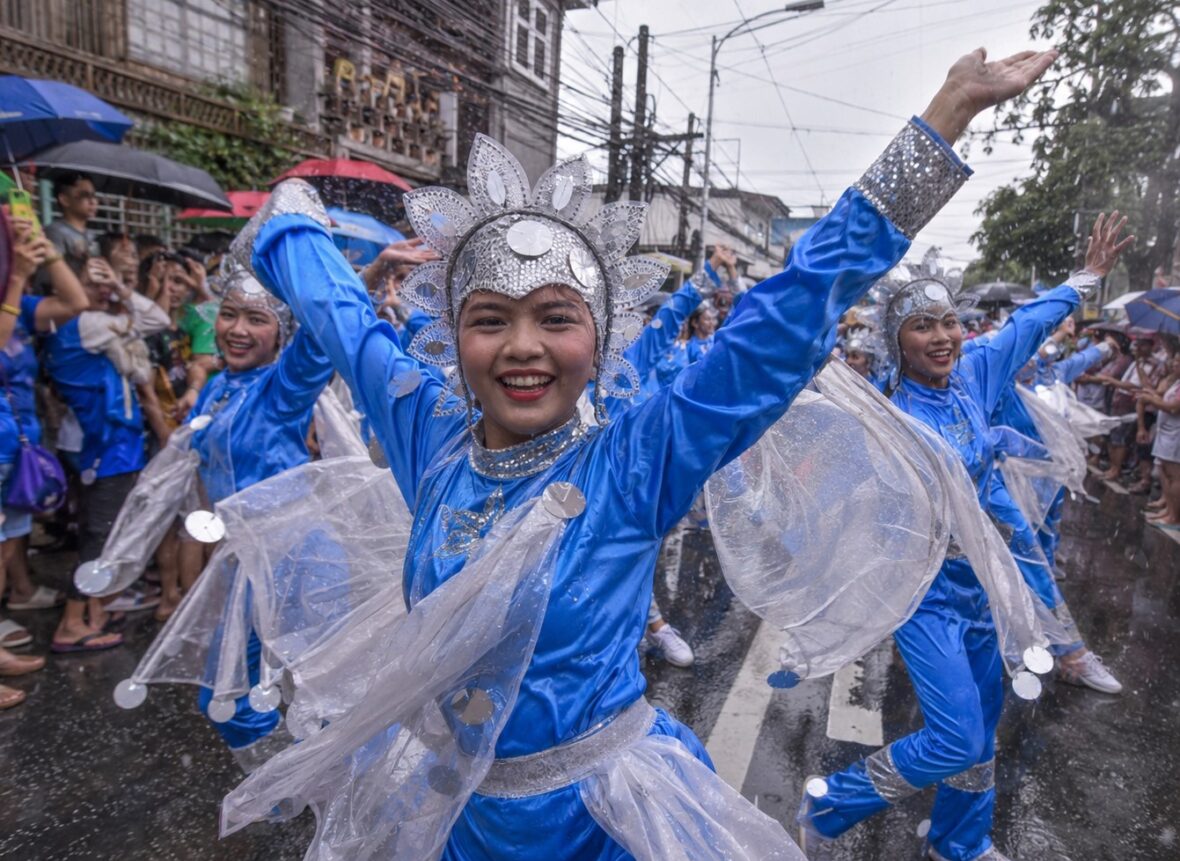
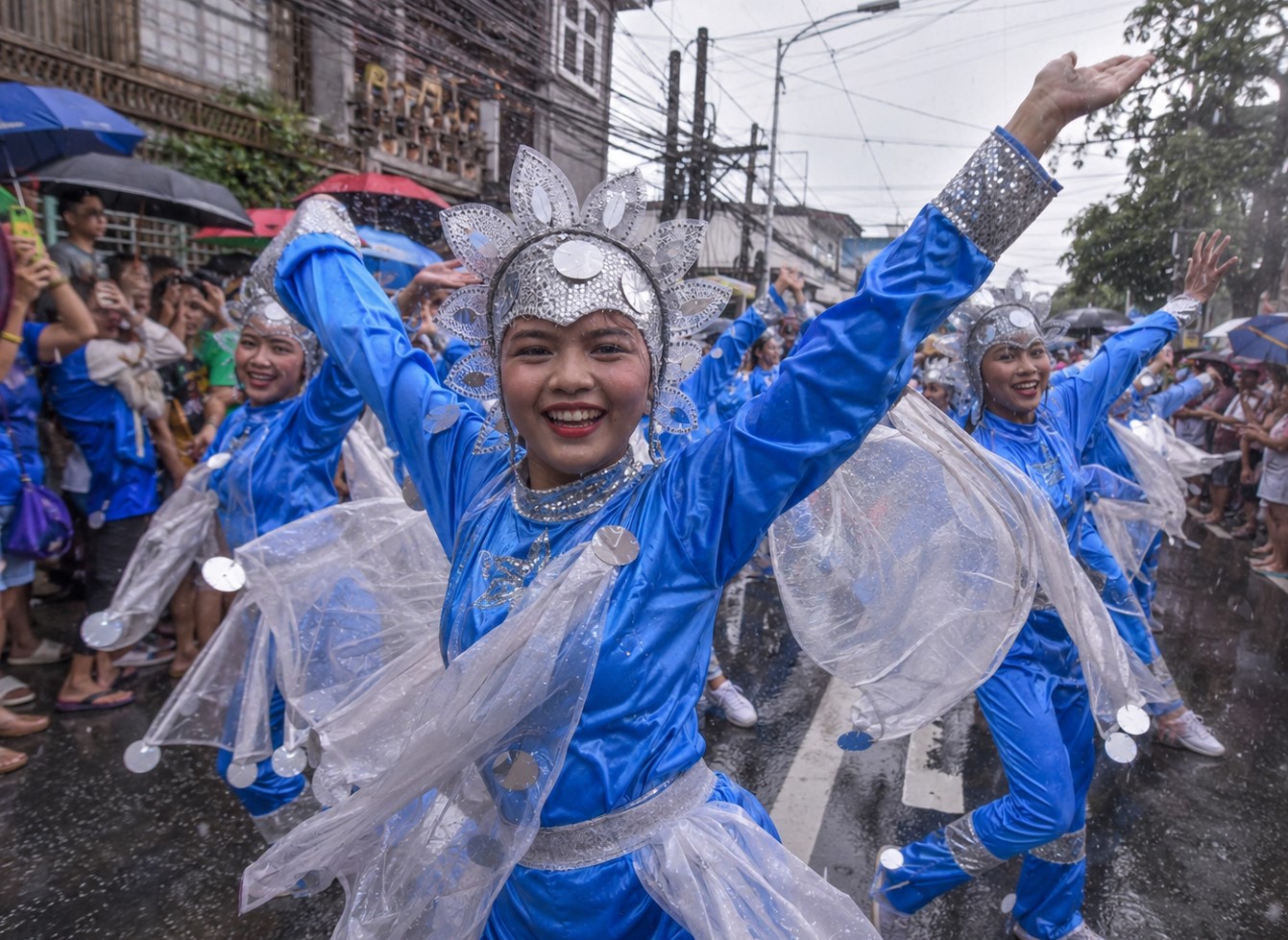
Street-dancing groups may perform routines inspired by the sea, rain, fishing, faith and Cavite City’s cultural heritage. Blue, white, silver and other water-inspired colors are commonly seen in costumes and decorations.
Past celebrations have also encouraged the use of recycled materials in festival costumes. This supports Regada’s environmental message while challenging participants to transform ordinary or discarded materials into creative outfits.
Dancers must perform while dealing with wet streets, spraying water and unpredictable weather. That makes the performances even more impressive.
Spectators should not expect to remain dry while watching. Performers may splash the crowd, and sprinklers can activate at any time during the parade.
Caracol ni San Juan Bautista
One of Regada’s most meaningful traditions is the Caracol ni San Juan Bautista.
The image of St. John the Baptist is brought out as devotees offer prayers, songs and dances. The tradition may include a fluvial component, reflecting Cavite City’s relationship with the sea, before the image is brought toward the main festival area to bless the community.
The caracol shows that Regada is not simply a commercial street party.
Behind the loud music and playful water fights is a community expressing gratitude and devotion. For many local residents, getting wet is not only about fun; it can also represent receiving a blessing from their patron saint.
Visitors should enjoy the festivities while remaining respectful whenever a religious procession or prayer is taking place.
Environmental Activities
Because Regada is centered on water and the sea, environmental programs have also been incorporated into previous celebrations.
One example is Linis Dalampasigan, a coastal cleanup involving residents, volunteers and environmentally conscious organizations. Other past activities have included art and design competitions built around water, nature and recycling.
These programs give Regada a more thoughtful dimension.
A water festival would feel incomplete without acknowledging the importance of protecting the environment that sustains the community. Coastal pollution, plastic waste and damage to marine resources affect fishing communities directly.
By combining celebration with environmental action, Regada encourages people to appreciate water not only as something used for recreation but also as a valuable resource that must be protected.
Concerts, Contests and Community Events
Regada normally offers more than one day of activities.
Depending on the annual schedule, festivalgoers may encounter:
- Live concerts featuring local and nationally known performers
- Street-dancing competitions
- Art, photography and design contests
- Community sports and games
- Food stalls and local product exhibits
- Trade fairs and business booths
- Environmental activities
- Religious programs and processions
Past Regada celebrations have included bands performing alongside the water activities, helping transform the main streets into an open-air concert venue.
Not every activity involves getting soaked, so visitors can choose which parts of the festival they want to experience. However, anyone entering the main water-party zone on June 24 should still expect to get wet.
When Is Regada Celebrated?
Regada is traditionally celebrated from June 17 to June 24, with the biggest activities taking place near or on June 24, the feast day of St. John the Baptist.
The exact schedule, performers, parade routes and road closures can change each year.
June 24 is the best day for travelers who want to experience the grand water-splashing celebration. However, it is also the busiest day. Visitors who prefer cultural programs, contests or concerts without the largest crowds may attend some of the earlier festival activities.
Before traveling, check announcements from the Cavite City government and local tourism offices. Weather conditions, security requirements and other circumstances may result in schedule changes.
Where Does the Main Celebration Take Place?
Major Regada activities are held in Cavite City, particularly along the central streets and festival zones around P. Burgos Avenue.
This area becomes crowded during the Basayawan and grand basaan. Sprinklers, stages, booths and public activities may occupy portions of the road, while nearby streets can be affected by traffic rerouting.
The exact parade route and designated activity zones should be confirmed through the year’s official festival program.
Do not expect your vehicle to reach the center of the celebration easily. Roads near the event may be closed, and parking can become difficult. Be prepared to walk from a designated drop-off or parking area.
What to Wear
Choosing the right clothes can make your Regada experience much more comfortable.
Wear a lightweight shirt, shorts or quick-drying clothes. Darker fabrics may be more practical because light-colored clothing can become transparent when wet.
Avoid denim pants because they become heavy and uncomfortable after being soaked. Expensive shoes are also not a good idea. Wear sandals or footwear with good grip, but avoid loose slippers that can easily come off in a crowded street.
Bring a complete change of clothes, including underwear, and keep everything inside a sealed waterproof bag.
Some establishments and public vehicles may not allow passengers who are dripping wet, so changing before heading home is both practical and considerate.
Protecting Your Phone and Valuables
Your phone is probably the item most at risk during Regada.
A basic plastic bag may not be enough when you are surrounded by powerful hoses and nonstop splashing. Use a reliable waterproof pouch with a secure lock. Test it at home before placing your phone inside.
Keep cash, identification cards and other valuables in a second waterproof container. Bring only what you need.
It is better to leave the following at home:
- Laptops and tablets
- Expensive cameras that are not weather-sealed
- Important documents
- Leather bags
- Jewelry and unnecessary valuables
An action camera with a waterproof case can be useful for recording the celebration. Just make sure it is securely attached to your wrist or body because the streets can become crowded.
Important Safety Tips
Regada is exciting, but a large wet crowd also comes with potential risks.
Walk carefully because the streets can become slippery. Do not run through dense crowds, especially when visibility is reduced by spraying water.
Avoid aiming water directly at someone’s face, ears or eyes. Never fill water guns or containers with dirty water, ice, chemicals or any substance that could injure another person.
Be especially careful around young children, older adults, pregnant visitors and people who are clearly trying to leave the activity area.
Stay hydrated even though you are surrounded by water. June can be hot and humid, and hours of walking and dancing may lead to dehydration.
It is also wise to identify a meeting point before entering the crowd. Mobile signals may become unreliable when thousands of people gather in one area, and it can be difficult to locate companions once the water party begins.
Bringing Children to Regada
Children will probably love Regada, but parents should plan carefully.
Choose an area away from the densest crowd and the strongest firetruck hoses. Powerful streams of water may be overwhelming for small children.
Write a parent or guardian’s contact number on a waterproof wristband or card. Bright clothing can also make children easier to spot.
Bring drinking water, snacks, towels and extra clothes. Children may become cold after remaining wet for a long period, especially when the sky becomes cloudy or rain begins.
Noise-reducing earmuffs may help children who are sensitive to loud music, horns and cheering crowds.
Food to Try in Cavite City
A festival trip is also an opportunity to explore Caviteño food.
Cavite City’s cuisine reflects its coastal setting and long history of Spanish and Filipino cultural influences. Look for local seafood and shellfish dishes, particularly those featuring tahong, talaba and fish.
You may also encounter Caviteño specialties such as bacalao, traditionally prepared using salted fish, and bibingkang samala, a local rice delicacy associated with the city.
Festival stalls may sell grilled food, snacks, cold drinks and familiar street-food favorites. Carry cash in small denominations because not every vendor accepts digital payments.
How to Get to Regada Festival
From Metro Manila via Public Transportation
One of the most convenient starting points is the Parañaque Integrated Terminal Exchange or PITX.
PITX officially lists Cavite City among its Cavite bus destinations, with Cavite City passengers generally assigned to Gate 6 on the ground floor. Gate assignments and operating arrangements may change, so check the terminal’s live schedule or information counters before boarding.
Tell the conductor that you are attending the Regada Festival and ask for the most practical drop-off point based on road closures.
From the drop-off area, you may need to walk or take a local jeepney or tricycle to the festival zone.
By Private Vehicle
Travelers driving from Metro Manila generally approach Cavite City through the coastal side of Cavite.
On June 24, expect heavy traffic, road closures and limited parking near the main event. Follow official traffic advisories and park only in authorized areas.
Arriving early in the morning is advisable. Trying to enter the city shortly before the main water party may result in long delays.
What to Bring
A practical Regada festival kit should include:
- Waterproof phone pouch
- Sealed bag for money and identification
- Complete change of clothes
- Small towel
- Drinking water
- Sunscreen
- Hat or cap
- Comfortable waterproof footwear
- Plastic bag for wet clothing
- Basic first-aid supplies
- Power bank stored in a waterproof case
You may bring a water gun, but choose one that is safe and manageable in a crowded environment.
Festival Etiquette
The general rule is simple: people inside the main basaan area should expect to get wet.
However, that does not mean every person everywhere in Cavite City automatically wants to be soaked. Avoid splashing people inside churches, restaurants, public vehicles, medical facilities and other designated dry areas.
Do not throw water at vendors’ food, electrical equipment, musicians’ instruments or security personnel performing sensitive duties.
Respect religious events. Lower your water gun and behave appropriately when prayers or solemn processions are taking place.
Most importantly, keep the celebration friendly. Regada should be playful, not aggressive.
Why Regada Is Worth Experiencing
Many Philippine communities celebrate the feast of St. John the Baptist with water, but Cavite City has transformed the tradition into a festival with its own strong identity.
Regada celebrates faith while honoring the sea. It promotes local culture while giving young people a lively event they can enjoy. It attracts tourists while bringing neighborhoods, schools and families together.
There is also something refreshing about a festival where you cannot remain too formal.
Once the water starts falling, everyone looks equally soaked. Strangers laugh together. Adults forget their usual seriousness, and the streets become a place where people can dance without worrying about looking perfect.
That sense of shared fun is what makes Regada memorable.
Final Thoughts
The Regada Water Festival is more than Cavite City’s famous basaan.
Behind the sprinklers, water guns and street parties is a celebration rooted in religious devotion, gratitude for the sea and pride in the city’s coastal identity.
Of course, the grand water fight is still the part most people look forward to. There is nothing quite like standing in the middle of P. Burgos Avenue while music plays, firetruck hoses spray the crowd and thousands of people dance together under a shower of water.
Come prepared, protect your phone and bring dry clothes. More importantly, arrive ready to participate rather than simply observe.
At Regada, getting wet is not an accident. It is the whole point.