There are festivals filled with colorful costumes, street dancing, local food and loud music. Then there are celebrations that make you pause and think about the history behind the festivities.
Cavite’s Kalayaan Festival belongs to both.
Held during the weeks leading to Philippine Independence Day, the Kalayaan Festival celebrates the courage, sacrifice and patriotism of the Filipinos who fought for the country’s freedom. Although activities may be held in different cities and municipalities across Cavite, the celebration naturally leads to Kawit—the historic town where Philippine independence was proclaimed on June 12, 1898.
Visiting Cavite during the Kalayaan Festival is not simply about watching a parade. It is an opportunity to stand in one of the most important places in Philippine history, see the national flag flying proudly and understand why Cavite remains closely connected to the story of the Philippine Revolution.
Content
What Is the Kalayaan Festival?
The Kalayaan Festival is Cavite’s province-wide celebration of Philippine independence.
The word kalayaan means “freedom” or “liberty,” making it the perfect name for a festival honoring the country’s journey toward nationhood.
The celebration traditionally begins around May 28, National Flag Day, and continues through June 12, Philippine Independence Day. Cities and municipalities across Cavite may organize their own historical, cultural and community activities during this period. The festival then culminates in major commemorative ceremonies, particularly at the Emilio Aguinaldo Shrine in Kawit.
Unlike festivals centered on a particular crop, delicacy or religious patron, Kalayaan Festival focuses on national history. Its celebrations remind people that freedom was achieved through the courage and sacrifices of Filipinos who were willing to fight for an independent country.
At the same time, the festival is not always serious or ceremonial. Depending on the annual program, visitors may encounter parades, cultural performances, concerts, historical presentations, competitions, exhibits and other community events.
Why Cavite Is the Perfect Place for the Festival
You cannot talk about the Philippine Revolution without talking about Cavite.
The province served as one of the most important centers of revolutionary activity during the struggle against Spanish colonial rule. Several major battles, revolutionary movements and historical events took place in Cavite, making it one of the country’s most historically significant provinces.
Kawit holds an especially important place in that story.
On June 12, 1898, Philippine independence was proclaimed from the Aguinaldo family home in what was then known as Cavite el Viejo, now Kawit. Ambrosio Rianzares Bautista read the Acta de la Proclamación de la Independencia del Pueblo Filipino, or the Act of the Proclamation of Philippine Independence.
During the same historic occasion, the Philippine flag sewn in Hong Kong by Marcela Agoncillo, with the help of Lorenza Agoncillo and Delfina Herbosa de Natividad, was officially unfurled. The Marcha Nacional Filipina, composed by Julian Felipe and now known as the melody of the Philippine national anthem, was also played by the San Francisco de Malabon band.
Imagine being in the same location more than a century later, surrounded by Philippine flags and fellow Filipinos celebrating the country’s independence. That connection to an actual historical event gives the Kalayaan Festival a meaning that few other festivals can match.
The Emilio Aguinaldo Shrine: Heart of the Celebration
The most important destination associated with the Kalayaan Festival is the Emilio Aguinaldo Shrine, also called the Museo ni Emilio Aguinaldo.
The ancestral house was built in 1849 and was the birthplace of Emilio Aguinaldo, who was born there on March 22, 1869. It later became the site of the June 12, 1898 proclamation of independence. The property is now recognized as a national shrine and an NHCP-managed museum.
From the outside, the house already looks impressive. Its white walls, red roof, tower and distinctive architectural details make it one of Cavite’s most recognizable landmarks. But once you enter, you begin to appreciate how unusual and thoughtfully designed the house is.
The mansion contains historical rooms, antique furniture, family possessions, memorabilia and architectural features connected to Aguinaldo’s life. It is also known for its hidden compartments, concealed passageways and carefully planned spaces.
The most famous part of the house is the section facing the road where the proclamation took place. Many people refer to it as the “balcony,” although the proclamation was historically made from the central window of the original house.
For many visitors, simply seeing this part of the mansion is the highlight of the trip. This is where a defining moment in the country’s history unfolded.
National Flag Day and the Beginning of the Celebration
The Kalayaan season generally begins on May 28, which is observed as National Flag Day.
The date commemorates the Battle of Alapan in Imus, Cavite, where the Philippine flag was first raised in victory on May 28, 1898. The occasion is commemorated in Imus through flag-raising rites, wreath-laying, patriotic programs and other activities.
National Flag Day also marks the period when Filipinos are encouraged to display the Philippine flag in homes, schools, offices, buildings and establishments until June 12.
This gives the province a noticeably patriotic atmosphere. As you travel through Cavite during the festival period, you may see flags displayed along roads, outside government buildings and around historical landmarks.
The celebration gradually builds from May 28 until it reaches its most important date: June 12.
What to Expect During the Kalayaan Festival
The official activities are not always exactly the same every year. Programs depend on the provincial government, participating local governments, historical agencies and event organizers.
However, several experiences are commonly associated with the celebration.
Flag-Raising Ceremonies
The Philippine flag naturally takes center stage during the festival.
Flag-raising ceremonies are conducted with great formality, particularly during National Flag Day and Independence Day. Government officials, uniformed personnel, students, civic organizations and members of the public may participate.
Watching the flag being raised at the Aguinaldo Shrine can be an emotional experience. It is one thing to see the ceremony at school or on television. It feels different when you are standing at the place where the flag was officially unfurled during the proclamation of independence.
Historical Reenactments and Presentations
Historical reenactments help bring the events of 1898 to life.
Performers may portray Emilio Aguinaldo, revolutionaries, government officials and other historical personalities. Some presentations recreate the reading of the declaration, the unfurling of the flag and other moments connected to Philippine independence.
These performances are especially helpful for younger visitors. Instead of simply reading names and dates in a textbook, they get to see history presented in a more engaging and memorable way.
Parades and Cultural Performances
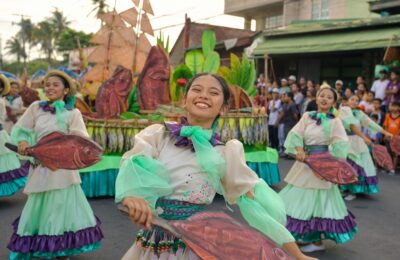
Festival programs may include civic parades, marching bands, floats, dancers and cultural contingents representing different communities.
In recent national Independence Day celebrations, the Parada ng Kalayaan has also featured festival performances and float-design competitions. Cavite, Kawit, Imus, Dasmariñas and Cavite City were among the local governments represented in the 2025 event.
The costumes and performances often incorporate the colors of the Philippine flag, revolutionary imagery and symbols of Filipino identity. While the festival has a historical theme, the performances allow communities to express patriotism through music, movement and visual art.
Wreath-Laying Ceremonies
Flowers and wreaths are offered at monuments and historical markers to honor revolutionary heroes and other Filipinos who contributed to the struggle for independence.
These ceremonies tend to be quieter and more solemn than the parades and concerts. They remind visitors that the freedom being celebrated came at a great cost.
Exhibits and Museum Activities
Museums and historical institutions may organize special displays, educational programs, lectures, guided tours and exhibitions during the Independence Day season.
These activities provide valuable context. They help visitors understand not only what happened on June 12, 1898, but also the events that led to the proclamation and the challenges faced by the young Filipino nation afterward.
Trade Fairs and Local Products
Some editions of the festival include booths or trade fairs featuring products from different parts of Cavite.
Depending on the participating communities, visitors may find local food, coffee, delicacies, handmade products, souvenirs and agricultural goods. This adds a lighter and more festive side to the celebration while giving local entrepreneurs an opportunity to showcase their products.
Concerts and Community Programs
Evening concerts, school presentations, art competitions, patriotic singing contests and other public activities may also form part of the program.
These events help make the festival appealing to a wider audience. History remains at the center of the celebration, but families and young people also have enjoyable ways to participate.
When Is the Kalayaan Festival Celebrated?
The Kalayaan Festival is associated with the period from May 28 to June 12.
May 28 marks National Flag Day, while June 12 is Philippine Independence Day and the culmination of the celebration.
However, individual events may be scheduled on different dates throughout this period. Some activities may be held only on weekends, while others may take place before or after the main Independence Day ceremony.
June 12 is naturally the most significant day to visit Kawit, but it is also likely to be the busiest. Roads surrounding the Aguinaldo Shrine may become crowded, security may be tighter and some areas may have restricted access during official ceremonies.
Travelers who want a quieter museum visit may consider going on another day during the festival period and returning for selected public activities.
Always check announcements from the Provincial Government of Cavite, the Municipality of Kawit, Cavite Tourism and the Museo ni Emilio Aguinaldo before traveling. Schedules, road closures and public-access arrangements can change each year.
What It Feels Like to Attend
The atmosphere is a mixture of celebration, nostalgia and national pride.
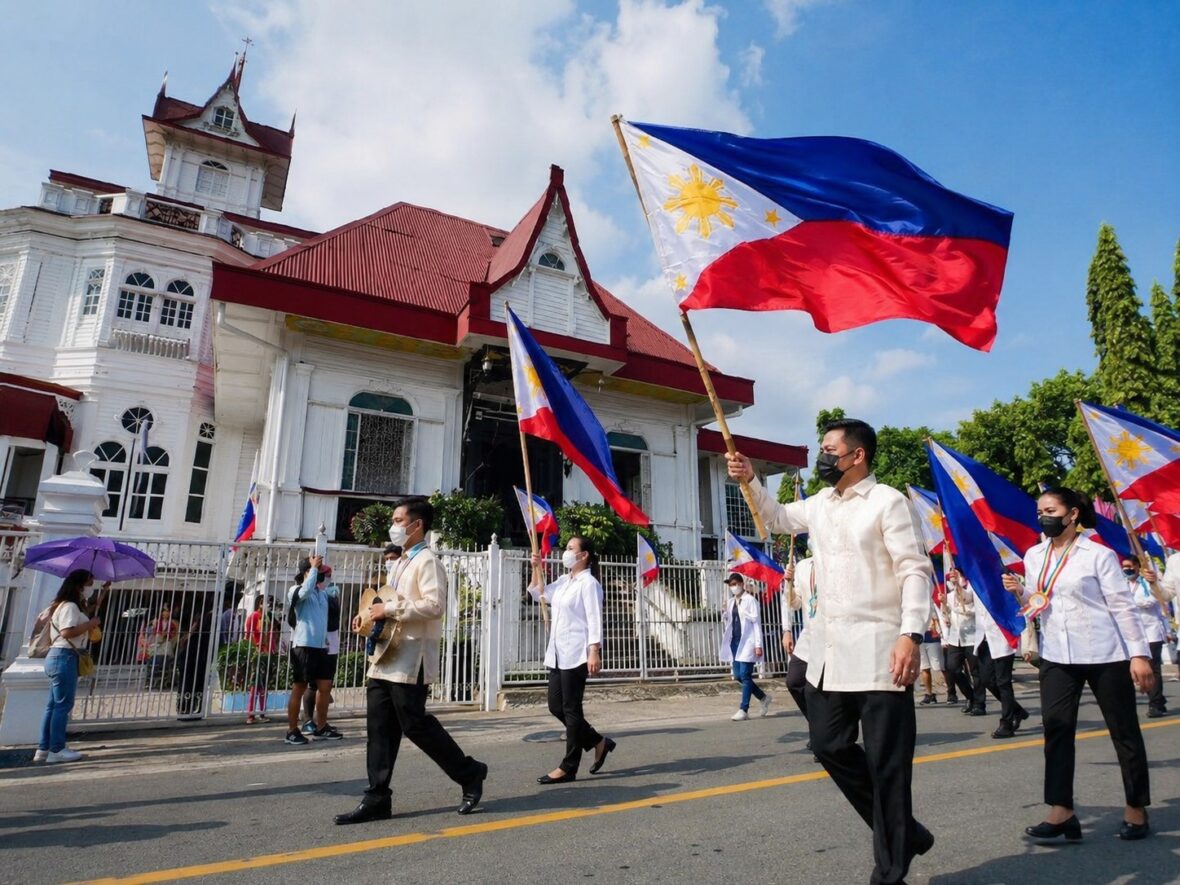
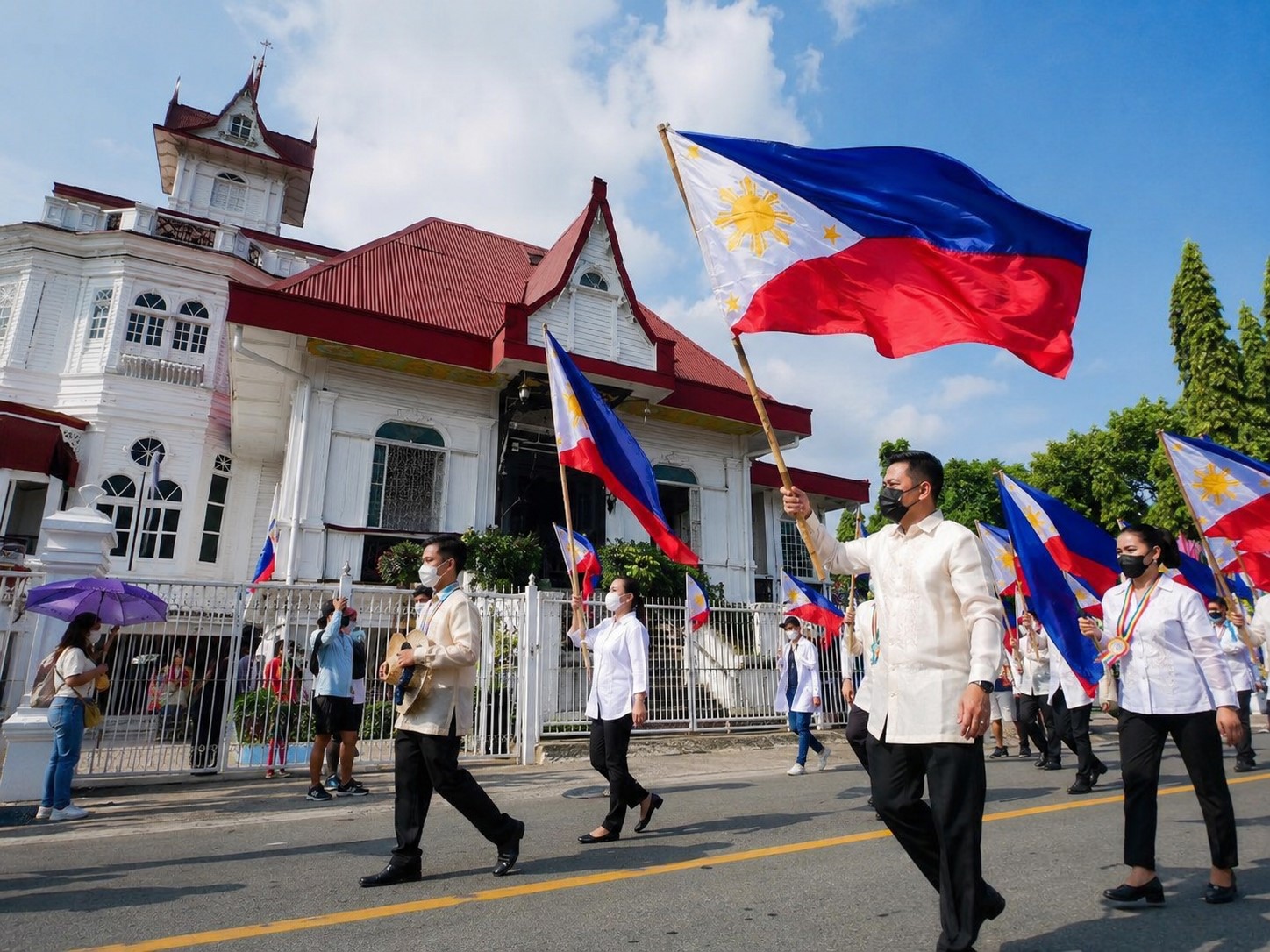
You may hear marching bands playing patriotic music while groups carrying Philippine flags pass through the streets. Students arrive in costumes inspired by revolutionaries. Local officials attend ceremonies in formal Filipino attire. Families gather around the shrine, taking photos while teaching their children about the importance of the place.
There is energy, but there is also a sense of respect.
When the national anthem begins and the flag rises in front of Aguinaldo’s ancestral home, the celebration becomes more than an ordinary festival. For a few minutes, everyone is connected by the same story.
Even visitors who are not history enthusiasts may find the experience moving. Being physically present in Kawit makes the events of 1898 feel less distant.
Visiting the Museo ni Emilio Aguinaldo
A visit to the museum is highly recommended, whether you attend during the festival or on an ordinary day.
The museum is generally open from Tuesday to Sunday, from 9:00 a.m. to 4:00 p.m., and closed on Mondays. Because operating schedules can change during holidays, special events or official ceremonies, confirm the latest schedule before your trip.
Give yourself enough time to explore the displays instead of rushing through the house. Around one to two hours should be comfortable for most visitors, especially when guided explanations are available.
While inside:
- Follow museum rules and avoid touching artifacts.
- Ask permission before taking photographs in restricted areas.
- Listen to the guide whenever a guided tour is available.
- Read the historical markers and exhibit descriptions.
- Be mindful that the property is both a museum and a national shrine.
Outside the mansion, you can walk around the landscaped grounds, view the monument and take photos of the historic façade.
How to Get to Kawit, Cavite
Kawit is located in the northern part of Cavite and is accessible from Metro Manila through major roads leading toward Bacoor, Kawit and Cavite City.
Public transportation options may include buses, modern jeepneys and traditional jeepneys traveling toward Kawit, Noveleta or Cavite City. Depending on your starting point, you may need to transfer in areas such as PITX, Bacoor or Zapote.
When using public transportation, tell the driver or conductor that you are going to Aguinaldo Shrine in Kawit. The landmark is well known in the area.
Travelers using private vehicles can navigate toward Tirona Highway in Kawit. During the festival, especially on June 12, expect possible traffic rerouting, road closures and limited parking near the shrine.
Leaving early is always a good idea. It gives you more time to find your way around and secure a comfortable viewing spot before major activities begin.
Helpful Tips for Festival Visitors
Arrive Early
Major ceremonies may begin in the morning, and crowds can gather quickly. Early arrival also helps you avoid the heaviest traffic.
Wear Light and Comfortable Clothing
Late May and June can be warm and humid. Wear breathable clothes and comfortable footwear, especially if you plan to stand during a parade or walk around Kawit.
Bring Water and Sun Protection
Carry drinking water, an umbrella, a hat and sunscreen. An umbrella is particularly useful because June may bring sudden rain showers.
Expect Security Measures
Because national government officials sometimes attend Independence Day ceremonies, visitors may encounter checkpoints, bag inspections and restricted areas.
Bring Cash
Small food stalls, local shops and transportation providers may not accept cards or digital payments.
Check the Weather and Event Announcements
Outdoor programs may be adjusted because of heavy rain or other conditions. Check official announcements before leaving home.
Respect the Ceremony
The festival may be lively, but the main commemorative activities deserve proper respect. Stand attentively during the national anthem and follow instructions from event organizers.
Other Historical Places to Visit in Cavite
You can turn your Kalayaan Festival trip into a broader historical tour of Cavite.
Consider visiting places connected to the Philippine Revolution, such as:
- Battle of Alapan historical sites in Imus
- Museo ni Baldomero Aguinaldo in Kawit
- Bonifacio Trial House in Maragondon
- Tejeros Convention Site in General Trias
- Historical landmarks and ancestral houses around Cavite
- Corregidor Island, which is administratively part of Cavite
Each place tells a different part of the province’s story. Visiting several locations gives you a deeper understanding of why Cavite is often described as a cradle of the Philippine Revolution.
Why the Kalayaan Festival Still Matters
Independence Day can sometimes feel like just another holiday—a day without work or classes. The Kalayaan Festival challenges that way of thinking.
It brings people closer to the stories behind the holiday.
Freedom was not something that simply appeared on June 12, 1898. It was the result of years of resistance, sacrifice, organizing and fighting. Countless Filipinos contributed to the revolutionary struggle, including many whose names are no longer widely remembered.
The festival also reminds us that independence is not only about the past.
Freedom comes with responsibilities. It requires citizens to participate, stay informed, protect democratic institutions, respect the rights of others and contribute to the country’s future.
By combining history with music, art, education and community participation, the Kalayaan Festival keeps these ideas alive for younger generations.
Final Thoughts
The Kalayaan Festival is more than a colorful provincial celebration. It is Cavite’s tribute to the Filipinos who imagined a free country and had the courage to fight for it.
The parades, performances and concerts make the occasion enjoyable, but the festival’s real power comes from its setting. In Kawit, you are not merely hearing a story about independence. You are standing where part of that story happened.
You can look at the Aguinaldo mansion, watch the Philippine flag wave above the grounds and imagine the gathering that took place there on June 12, 1898.
For history lovers, families, students and travelers searching for a meaningful cultural experience, the Kalayaan Festival is worth witnessing at least once. It is a celebration that entertains, educates and reminds us that the freedom we enjoy today carries the sacrifices of those who came before us.