When people think of Iligan City, the first thing that usually comes to mind is waterfalls. After all, Iligan is famously associated with its many beautiful cascades.
But visit the city in September and you’ll discover another side of Iligan.
The streets become more colorful, music and performances fill public spaces, devotees gather for religious activities, and the entire city gets ready for one of Northern Mindanao’s biggest annual celebrations—the Diyandi Festival.
Diyandi Festival is Iligan City’s major cultural and religious festival honoring Saint Michael the Archangel, the city’s patron saint. More than a simple one-day fiesta, the celebration stretches across much of September and brings together religious traditions, street dancing, cultural performances, community events and entertainment. Iligan City officially describes Diyandi as its month-long fiesta celebration in honor of Saint Michael the Archangel.
And if you’re planning to visit Iligan during the festival, September is definitely an interesting time to experience the city.
Content
Diyandi Festival Quick Information
| Details | Information |
|---|---|
| Festival | Diyandi Festival sa Iligan |
| Location | Iligan City, Lanao del Norte |
| Month | September |
| 2026 opening | September 1, 2026 |
| Patron Saint | Saint Michael the Archangel |
| Feast Day | September 29 |
| Major attractions | Street dancing, religious processions, cultural performances and citywide activities |
| Best time to visit | Late September for many of the major celebrations |
For Diyandi Festival 2026, the City Government of Iligan has announced that the celebration begins with an opening salvo on September 1, with activities planned throughout September. The feast of Saint Michael remains centered on September 29.
Because festival programs can change from year to year, travelers should still check the final schedule released by the city before booking a trip around one particular event.
What Is the Diyandi Festival?
Diyandi Festival is the annual festival of Iligan City celebrating its people, traditions and devotion to Saint Michael the Archangel.
It is an interesting Philippine festival because you can clearly see two sides of the celebration.
There is the religious side, where thousands of devotees participate in Masses, processions and activities dedicated to Saint Michael.
Then there is the cultural and civic side, where Iligan comes alive with street dancing, competitions, trade activities, entertainment and performances.
That combination is what makes Diyandi special.
You can spend one part of the day watching energetic performers in colorful costumes and then experience a much more solemn atmosphere as devotees join religious events.
The Tourism Promotions Board describes the festival as a fiesta in honor of St. Michael the Archangel that features street dancing, cultural competition and a ceremonial dance depicting cultural traditions associated with Iligan’s Higaonon and Maranao communities.
So Diyandi is not just about spectacle. At its heart, it represents faith, community and Iligan’s multicultural identity.
What Does “Diyandi” Mean?
The festival’s name is commonly explained as coming from the word “diyandi,” meaning “celebrate,” while mag-diyandi means “to celebrate.”
That feels very appropriate once you experience September in Iligan.
Instead of limiting the fiesta to just the September 29 feast day, the city turns much of the month into an extended celebration.
The official title Diyandi Festival sa Iligan was established in 2004 through a resolution of the Iligan City Council, according to Iligan tourism information.
Since then, Diyandi has developed into one of the city’s most recognizable annual events.
Why Is Saint Michael the Archangel Important to Iligan?
The religious heart of Diyandi Festival is Saint Michael the Archangel, or Señor San Miguel.
September 29 is the Feast of the Archangels in the Catholic calendar, and Saint Michael has long been venerated as Iligan City’s patron saint.
In Catholic tradition, Michael is known as the archangel who battles evil. This imagery becomes very visible during Diyandi.
Some festival performances dramatically portray the struggle between Saint Michael and Lucifer. You’ll see dancers portraying Saint Michael with wings, shields or swords while other performers represent the forces of evil.
It makes the street performances visually impressive, but there is also a deeper religious meaning behind them.
For many Iliganons, the fiesta is ultimately an expression of gratitude and devotion.
That is why, even with concerts, competitions and entertainment happening around the city, religious activities remain an important part of Diyandi.
A Festival of Different Cultures
One of the most fascinating things about Diyandi is the way it reflects Iligan’s cultural diversity.
The city is home to communities with Christian, Muslim and Indigenous roots. Diyandi has increasingly been presented as a celebration of harmony among these groups, particularly Christian, Muslim and Higaonon communities.
This multicultural influence can be seen in the costumes, movements, music and stories presented during festival performances.
The Tourism Promotions Board also describes a ceremonial component that symbolizes the union of Maranao men and Higaonon women and the offering of their union and harvest to the patron saint.
It gives Diyandi a character that’s quite different from festivals centered entirely on one agricultural product or one historical event.
Here, different layers of Iligan’s identity come together.
Major Diyandi Festival Events
The exact schedule changes every year, so visitors shouldn’t assume that an event held on a particular date last year will happen on exactly the same date this year.
Still, there are several celebrations traditionally associated with Diyandi.
Opening Salvo
September begins with the official start of the festivities.
For 2026, the Diyandi Festival Grand Opening Salvo is scheduled for September 1 at the Anahaw Open Amphitheatre, officially kicking off the month-long celebration.
Think of this as Iligan announcing: fiesta season has officially begun.
From here, activities continue throughout the month.
Kasadya sa Diyandi Street Dancing
If you’re visiting primarily for the colorful festival atmosphere, Kasadya sa Diyandi is one of the events you’ll want to watch.
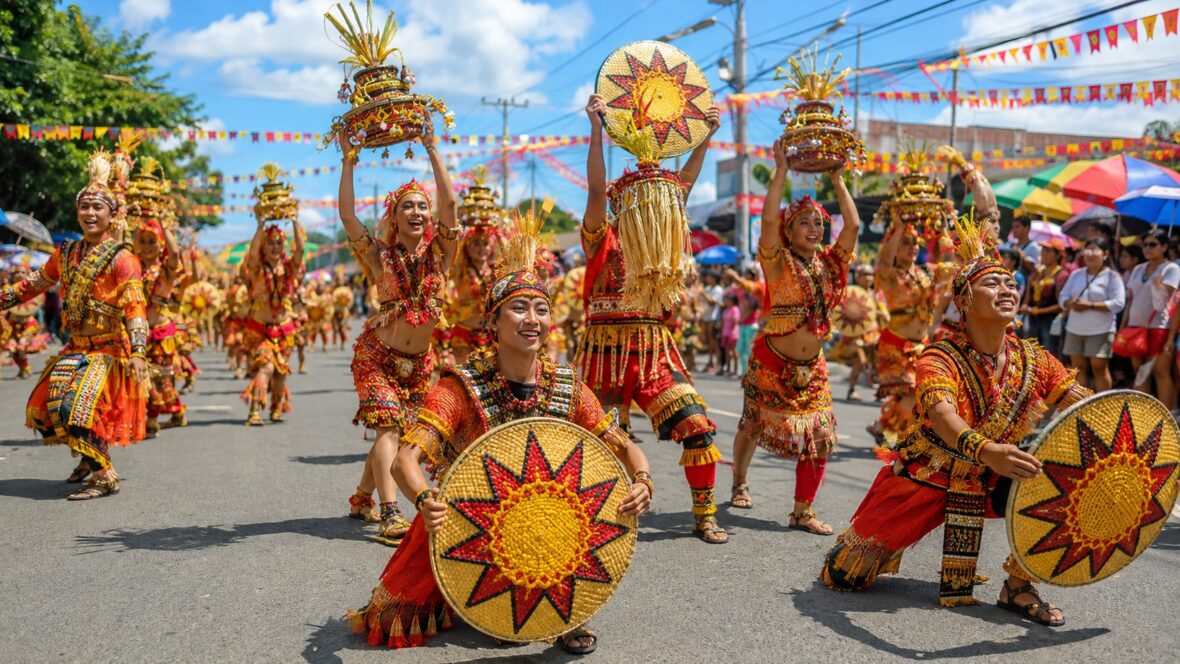
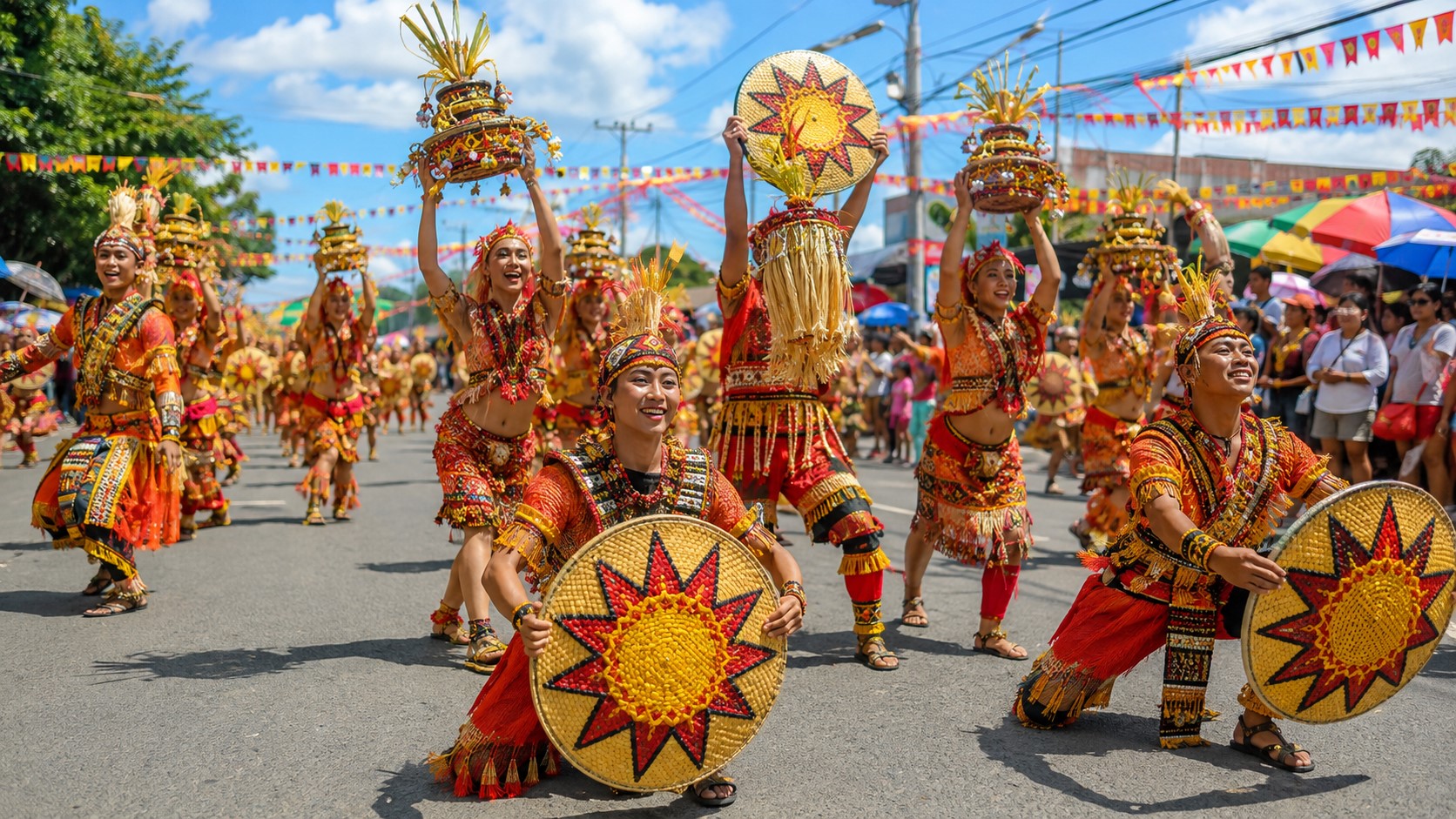
This is where contingents take over Iligan’s streets with elaborate costumes, choreography, props and music.
“Kasadya” roughly conveys merriment or joyful celebration, and that’s exactly the feeling of the event.
Performances commonly incorporate stories connected with Iligan, its communities and Saint Michael the Archangel. Some even portray the dramatic battle between good and evil.
Street dancing has traditionally been one of Diyandi’s biggest crowd-drawers. The Tourism Promotions Board lists street dancing and tableau competition among the festival’s signature activities.
Recent editions have placed Kasadya among the major late-September events, although its precise date can vary. For example, it was held on September 27 in 2025.
For 2026, visitors should rely on the city’s final official program because individual event dates may still be updated as September approaches.
Pagkanaug ni Señor San Miguel
Another important tradition is Pagkanaug, or the descent of Saint Michael.
This is much more religious in character than the street-dancing competitions.
Devotees gather as the image of Saint Michael becomes the focus of prayers and processional activities. It’s one of those moments when you can clearly see that underneath all the festival colors and entertainment, Diyandi remains deeply connected with Catholic devotion.
For visitors, it is important to treat these religious activities differently from the street parties.
You’re welcome to observe, but remember that many people around you are participating because of their faith.
Religious Processions
Processions dedicated to Saint Michael are another major part of fiesta season.
Thousands of people can gather for these activities, particularly as the feast day approaches. In 2025, for example, large numbers of devotees joined a procession of Saint Michael during the month-long festival.
Expect streets along procession routes to become crowded and traffic patterns to change.
If you’re staying in the city center, walking may actually be easier than trying to move around by vehicle during major activities.
Feast of Saint Michael the Archangel – September 29
Everything eventually leads toward September 29.
This is the feast day of Saint Michael the Archangel and the religious high point of Diyandi.
Masses, prayers and festivities traditionally surround the day, making September 29 one of the most meaningful dates to be in Iligan.
If you only have time for a short visit and want to experience the city’s devotion to Señor San Miguel, planning your trip around the final days of September is a good choice.
Just expect crowds.
A lot of them.
Other Activities During Diyandi
Because the festival stretches across several weeks, Diyandi isn’t limited to processions and street dancing.
Different editions have featured civic activities, pageants, cultural shows, sports events, trade fairs, entertainment programs and other community celebrations. A 2025 festival guide, for instance, described pre-festival activities throughout September involving cultural shows, trade fairs, sports events and religious celebrations.
That makes Diyandi enjoyable even if you don’t arrive specifically for the biggest parade.
You may simply be walking around Iligan one evening and suddenly find a public performance or festival activity happening nearby.
That’s part of the fun of visiting during fiesta month.
When Is Diyandi Festival 2026?
For travelers researching Diyandi Festival 2026, here’s an important distinction.
Older festival calendars—including the September festival guide used as the starting reference for this series—list Diyandi from September 1 to October 2.
Current announcements from the City Government of Iligan, however, describe Diyandi Festival 2026 as a September celebration beginning September 1, with the feast of Saint Michael on September 29.
The Tourism Promotions Board separately lists September 27 for Diyandi Festival sa Iligan, apparently referring to one of the festival’s highlighted cultural-event dates rather than the entirety of the month-long celebration.
So if you’re planning a trip, don’t think of Diyandi as a single-day festival.
September is Diyandi season in Iligan, with many of the most important activities happening toward the end of the month.
Best Time to Visit
If your goal is simply to experience the festive atmosphere, almost any time in September can work.
But if you’re traveling specifically for Diyandi, I’d personally target late September.
That’s when the celebration builds toward Saint Michael’s feast and when many of the biggest religious and cultural activities traditionally take place.
Try to stay for several days rather than arriving for only a few hours.
Festival schedules sometimes change because of weather, security arrangements and other considerations. Giving yourself extra time means you have a better chance of catching several events.
Getting to Iligan City
Iligan is located in Northern Mindanao and is accessible by road from major transportation gateways in the region.
Many travelers coming from outside Mindanao fly into the Laguindingan Airport area, then continue overland toward Iligan.
Another option is traveling from nearby cities by bus or van.
Once you’re in Iligan during Diyandi, expect traffic around major event venues and procession routes—especially in the latter part of September.
If your hotel is reasonably close to central festival areas, walking can sometimes save you plenty of time.
Where to Stay During Diyandi Festival
Book accommodation early if you’re coming for the major events.
Diyandi attracts visitors as well as returning Iliganons, so rooms can become harder to find as the feast day approaches.
Staying near the city center is convenient if your priority is the festival itself. You’ll have easier access to restaurants, shops and many city activities.
On the other hand, travelers who also want to explore Iligan’s famous waterfalls can use the festival as an excuse to turn the trip into a longer Northern Mindanao getaway.
Festival in the city today, waterfalls tomorrow.
That’s actually a pretty good combination.
Tips for Attending Diyandi Festival
A little preparation will make your experience much easier:
- Check the official schedule before traveling. Dates for competitions and other activities may change annually.
- Book accommodation early, especially if you’re coming during the final week of September.
- Prepare for rain. September is still part of the rainy season in the Philippines.
- Wear comfortable footwear. You may spend hours walking or standing during parades.
- Arrive early for major events. Good viewing spots can disappear quickly.
- Expect road closures and traffic. Give yourself extra travel time.
- Bring water and sun/rain protection.
- Respect religious ceremonies. Processions and Masses aren’t simply tourist performances.
- Ask before taking close-up photographs during solemn religious moments.
- Support local businesses. Festivals are a great opportunity to try local food and buy products from Iligan-based sellers.
Is Diyandi Festival Worth Visiting?
Yes—especially if you enjoy festivals that combine culture and religion.
Diyandi isn’t simply a parade where everyone goes home afterward.
It’s a celebration that gradually takes over the city throughout September.
There are moments of pure entertainment: drums, dancers, costumes and cheering crowds.
Then you’ll encounter the completely different atmosphere of a religious procession, where devotees gather around the image of Saint Michael.
And in between those two sides is Iligan itself—a culturally diverse Mindanao city showing visitors what makes the community unique.
That’s what makes the festival interesting.
You don’t just watch Diyandi.
For a few days, you become surrounded by it.
Frequently Asked Questions About Diyandi Festival
Where is Diyandi Festival celebrated?
Diyandi Festival is celebrated in Iligan City in Northern Mindanao. It is considered the city’s principal annual cultural and religious festival.
When is Diyandi Festival celebrated?
Diyandi is celebrated during September, culminating around the feast of Saint Michael the Archangel on September 29. Iligan City’s 2026 festivities officially begin on September 1.
Who is honored during Diyandi Festival?
The festival honors Saint Michael the Archangel, the patron saint of Iligan City.
What is Diyandi Festival famous for?
Diyandi is known for its devotion to Saint Michael, colorful street dancing, cultural performances, religious processions and month-long city activities.
What is the highlight of Diyandi Festival?
There isn’t necessarily just one highlight. Kasadya sa Diyandi street dancing, activities associated with Pagkanaug, religious processions and the September 29 feast of Saint Michael are among the events visitors commonly look forward to.
Is Diyandi Festival religious or cultural?
It’s both.
The celebration is fundamentally connected with Iligan’s devotion to Saint Michael, but it also showcases the city’s cultural identity and the interaction of its Christian, Muslim and Indigenous communities.
Final Thoughts
There’s something special about visiting a Philippine destination during its fiesta.
You get to see a place at its liveliest—not simply through attractions and restaurants, but through the traditions that matter to the people who actually live there.
That’s exactly what Diyandi Festival offers.
Come to Iligan in September and you’ll discover that the City of Majestic Waterfalls has much more to share than beautiful natural attractions. You’ll experience colorful street performances, crowds shouting their support for festival contingents, community celebrations happening across the city and, at the center of everything, the enduring devotion of Iliganons to Señor San Miguel.
Whether you’re a festival traveler, photographer, culture enthusiast or simply someone looking for another reason to explore Mindanao, Diyandi deserves a place on your Philippine festival calendar.
Viva Señor San Miguel!