Some Philippine festivals are easy to understand from their names alone. Others have layers of history behind them, and the Hin-ay Festival of Irosin, Sorsogon definitely belongs to the second group.
Hin-ay is closely connected to Irosin’s devotion to Saint Michael the Archangel, the town’s cultural heritage and the agricultural traditions that have shaped the lives of generations of Irosinians. The Tourism Promotions Board continues to list the Hin-ay Festival as a September celebration in Irosin, traditionally running from September 1 to 29 and featuring cultural shows, a trade fair and street dancing depicting the victory of the archangels over evil.
But there is something important travelers should know.
If you visit Irosin today, you will also hear a lot about the Paray Festival. In fact, recent official promotions from Irosin Tourism use the Paray Festival name for the town’s September festivities. Historical accounts indicate that Hin-ay came first, while Paray Festival was introduced in 2001 and developed into the agricultural and cultural festival celebrated in conjunction with Irosin’s fiesta.
So are Hin-ay Festival and Paray Festival the same thing?
Not exactly—but they are closely connected.
Let’s explore the story behind one of Sorsogon’s interesting September celebrations.
Content
Hin-ay Festival Quick Facts
| Details | Information |
|---|---|
| Festival | Hin-ay Festival |
| Location | Irosin, Sorsogon |
| Province | Sorsogon |
| Traditional month | September |
| TPB-listed dates | September 1–29 |
| Patron Saint | Saint Michael the Archangel |
| Patronal feast | September 29 |
| Known for | Cultural performances, street dancing, religious traditions and community celebrations |
| Related modern festival | Paray Festival |
| Best period for visitors | Final week of September |
The Tourism Promotions Board describes Hin-ay as featuring a cultural show, trade fair and a street dance portraying the victory of the archangels over the “Black Angels.”
Where Is Hin-ay Festival Celebrated?
Hin-ay Festival is associated with the municipality of Irosin in Sorsogon Province, in the Bicol Region.
Irosin is particularly interesting geographically because it is Sorsogon’s only landlocked municipality. The town sits within the Irosin Caldera and is surrounded by an impressive landscape of agricultural areas and volcanic terrain, with Mount Bulusan nearby.
That natural environment has played a big role in the town’s identity.
Rice farming is especially important, which eventually became one of the central themes of the modern Paray Festival.
But before Paray became the familiar festival name, there was Hin-ay.
What Is the Hin-ay Festival?
At its core, Hin-ay Festival is both a religious and cultural celebration.
Its religious side is connected to Saint Michael the Archangel, the patron saint of Irosin, whose feast is celebrated on September 29. Older descriptions of the festival specifically identify it as a commemoration of the patronal feast as well as an opportunity for the community to rediscover and celebrate Irosin’s cultural heritage.
Its cultural side highlights the story of the community.
Traditional festival descriptions talk about portraying Irosin’s struggles through different stages of history and using the celebration to strengthen people’s participation in community life.
This makes Hin-ay more than a colorful street performance.
It is also about remembering where the town came from.
What Does “Hin-ay” Mean?
This is where the story becomes particularly interesting.
There are different explanations associated with the term Hin-ay, and local historical discussions suggest that the name has deeper roots in Irosin itself.
Information shared by Irosin Tourism notes that Hin-ay is an Albayanon word associated with the arrangement of abaca, and the term also appears in discussions about the early names and history of settlements in the municipality.
Another commonly circulated explanation links “Hin-ay” to the slow or solemn movement associated with religious processions, although this interpretation is less firmly documented than the historical references from local sources.
That’s one reason the festival is fascinating. Its name is connected not simply to a modern tourism campaign, but to the older cultural identity of Irosin.
The Religious Heart of Hin-ay: Saint Michael the Archangel
If you’ve followed Philippine fiestas for a while, you’ll notice that September 29 is an important festival date in many towns.
That’s because September 29 is traditionally associated with the archangels, including Saint Michael.
For Irosin, Saint Michael has a particularly important place as the patron saint of the local Catholic community. Hin-ay’s older festival traditions were built around his feast, while the religious theme remains visible in the celebrations associated with today’s Paray Festival.
Saint Michael is traditionally depicted as a warrior defeating Satan.
And that image has naturally found its way into festival performances.
Street Dancing and the Battle Between Good and Evil
One of the most dramatic elements associated with Hin-ay is its street dancing.
The Tourism Promotions Board describes festival street dancing as depicting the archangels’ victory over the “Black” Angels.
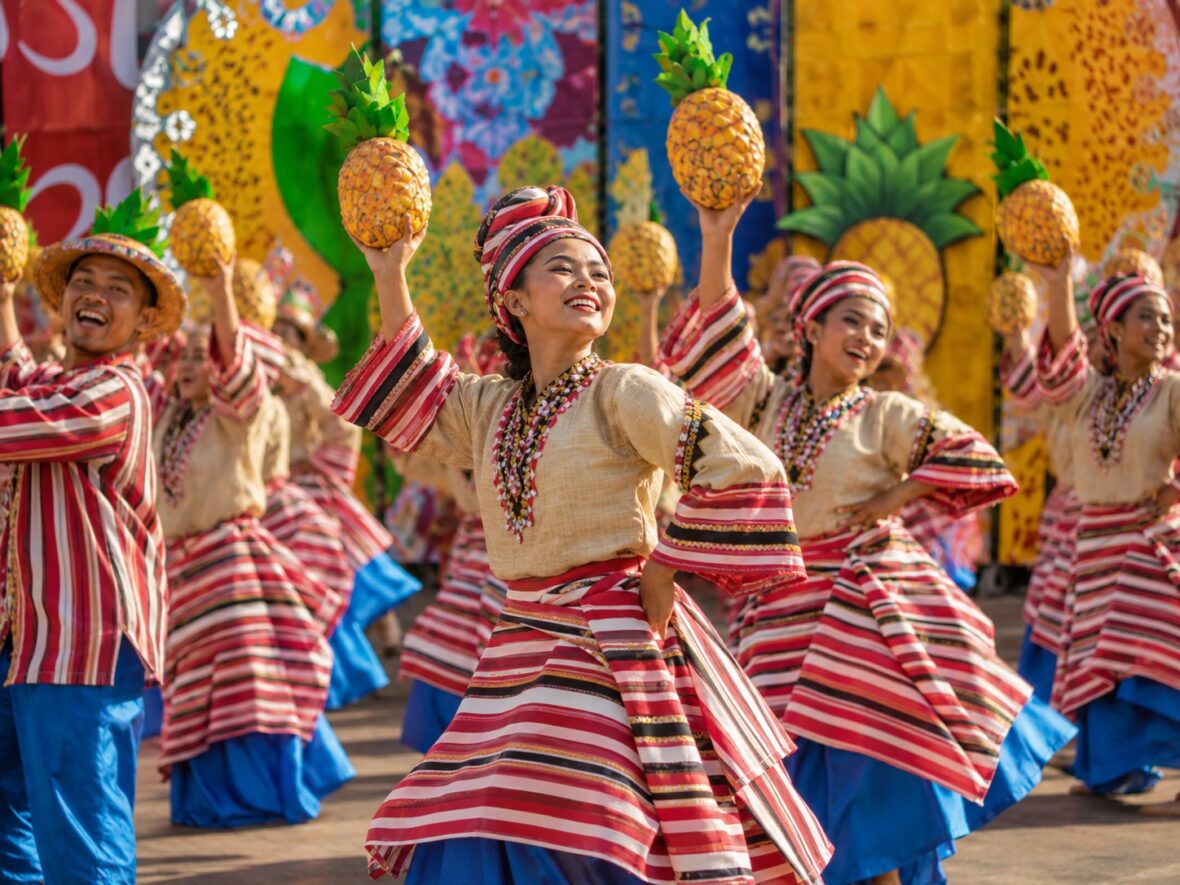
Imagine groups of performers filling the streets, with costumes, choreography and music transforming a familiar Biblical theme into a large community performance.
The story is ultimately about the triumph of good over evil.
That same theme continues in the Viva San Miguel Street Dancing associated with Paray Festival. Historical material on Paray explains that Saint Michael’s battle against evil is presented as both a religious story and a reminder for Irosinians to choose what is good.
So although festival names and programs have changed over time, Saint Michael remains one of the strongest links between the old Hin-ay tradition and the modern celebration.
Hin-ay Festival and Paray Festival: What’s the Difference?
This is probably the biggest question travelers will encounter while researching the festival.
You’ll find some Philippine festival calendars calling the event Hin-ay Festival.
Then you’ll search for recent celebrations in Irosin and discover Paray Festival instead.
Here’s the simplest way to understand it.
According to a historical account based on information attributed to LGU Irosin archives, Hin-ay Festival was introduced during the administration of former Mayor Dr. Eddie Dorotan. Paray Festival was subsequently introduced in 2001 during the administration of former Mayor Lilia Gonzales.
Paray developed a stronger agricultural identity.
The word paray is an Irosinian form of the Bicol word paroy, corresponding to the Tagalog palay—unhusked rice.
This made perfect sense for Irosin.
Rice farming plays an important role in the municipality, and Paray Festival became a celebration not only of the patronal fiesta but also of the town’s agricultural productivity and harvest.
Recent evidence shows that Irosin Tourism actively promotes Paray Festival, including the 2025 celebration, its official festival logo, Queen of Paray activities, tourism contests and cultural events.
Meanwhile, the national Tourism Promotions Board still lists Hin-ay Festival, September 1–29, Irosin, Sorsogon in its Philippine festival calendar.
That’s why both names continue to appear online.
The Three Major Themes of the Modern Celebration
The evolution into Paray Festival added a strong agricultural dimension to the fiesta.
Historical information about the festival describes three major themes.
1. Harvest Festival
September traditionally coincides with the beginning of the wet-season rice harvest in Irosin.
Because rice has long been an important crop in the municipality, the harvest celebration recognizes farmers and agricultural communities while expressing gratitude for abundance.
This part of the festival gives visitors a look at the everyday livelihood behind the celebration.
Those rice-inspired costumes aren’t simply decorative.
They represent something people actually depend on.
2. Viva San Miguel Street Dancing
Then comes the religious side.
Street dancers interpret the story of Saint Michael defeating evil, combining Christian imagery with festival choreography.
Expect costumes inspired by angels, warriors, agricultural products and local culture.
The exact presentation changes depending on the year and participating groups, but the basic symbolism remains deeply connected to Saint Michael.
3. Cultural and Sports Activities
The September celebration also gives schools, barangays, organizations, athletes and community groups opportunities to participate.
Cultural performances, sports competitions and recreational programs help turn fiesta season into something the whole municipality can join rather than an event watched only from the sidelines.
And that’s something I always find interesting about festivals in smaller Philippine towns.
The best celebrations aren’t necessarily the biggest.
Sometimes what makes them memorable is seeing nearly everyone in the community involved in some way.
When Is Hin-ay Festival Celebrated?
The Tourism Promotions Board currently lists Hin-ay Festival from September 1 to September 29.
However, older festival references sometimes identify September 28–29 as the principal Hin-ay Festival dates, corresponding closely with Irosin’s patronal fiesta.
Modern Paray Festival activities generally build toward the final week of September, when the town celebrates Saint Michael the Archangel.
In other words, think of September as fiesta season in Irosin, but if you want to experience the biggest religious and cultural activities, late September is usually the most important period.
Hin-ay Festival 2026 Schedule
Travelers planning for 2026 should be careful about relying on old festival calendars.
The traditional Hin-ay dates remain listed by the Tourism Promotions Board as September 1–29.
However, recent official tourism promotions from Irosin use Paray Festival as the name of the September cultural celebration.
Because individual activities, competition dates, concerts and pageants can change every year, visitors should check announcements from Irosin Tourism and the Municipality of Irosin before finalizing a trip around one specific event.
That’s especially important if you’re traveling primarily for the street-dancing competition.
What to Expect When Visiting During the Festival
Don’t expect one parade and nothing else.
Fiesta season in Irosin can involve a mixture of activities.
You may encounter cultural presentations one day and sports activities the next.
There may be community competitions, entertainment programs and events involving different barangays.
Then, as September 29 gets closer, the atmosphere becomes increasingly connected to the religious fiesta of Saint Michael.
Recent Paray Festival editions have included events such as Queen of Paray, Miss Irosin activities, tourism-related competitions and concerts alongside other cultural programs.
The program changes, but the combination of culture, agriculture, community and faith remains.
The Agricultural Side of the Festival
One of the best ways to appreciate the festival is to look beyond the dancing.
The rice fields surrounding Irosin aren’t simply scenery.
Agriculture is part of the story being told.
The Paray theme recognizes Irosin’s rice-growing tradition, and festival imagery frequently incorporates rice stalks, farming hats, rural clothing and colors associated with crops and harvest. Historical festival descriptions specifically connect the celebration to rice production and the September harvest.
That gives the festival a very grounded identity.
It’s about food.
Livelihood.
Farmers.
Community.
And gratitude for another harvest.
Explore Irosin While You’re There
The festival gives you a good excuse to explore more of Irosin.
The municipality is known for its hot springs, helped by its volcanic environment near Mount Bulusan. Irosin Tourism promotes hot-spring accommodations and attractions around areas such as Monbon, where visitors can enjoy naturally warm spring water with views toward the surrounding volcanic landscape.
That makes for a nice combination.
Spend one day experiencing the festival.
Then spend another relaxing in a hot spring.
If you have more time, you can also explore other destinations around Sorsogon and the wider Mount Bulusan area.
Best Time to Visit
If you’re coming primarily for the fiesta, I would choose the final week of September.
That’s the period most closely connected with Saint Michael’s September 29 feast and with the major harvest and cultural celebrations historically associated with Hin-ay and Paray.
Arriving a few days before the feast also gives you flexibility.
You can check the local program once you’re there, watch several events and still have time to explore Irosin.
Travel Tips for Hin-ay and Paray Festival
Festival trips are always easier with a little preparation.
Check the current festival name and schedule. If you’re searching social media, try both “Hin-ay Festival” and “Paray Festival Irosin.” Current official Irosin Tourism promotions are more likely to use Paray.
Visit during late September for the main fiesta atmosphere. September 29 remains the important religious date associated with Saint Michael.
Bring rain protection. Street dancing can continue even when the weather isn’t perfect—the festival images themselves show performers taking to rain-soaked streets.
Wear comfortable shoes. Festivals usually mean plenty of walking and standing.
Respect religious activities. Remember that the celebration isn’t simply a tourism event. Saint Michael’s feast is meaningful to local devotees.
Try local products. Agricultural festivals are some of the best places to appreciate locally produced food and products.
Stay longer if possible. Irosin’s springs and surrounding natural attractions make it worth adding an extra day or two to the trip.
Why Hin-ay Festival Is Important
Festival names may change.
Programs evolve.
New competitions are introduced.
But the interesting thing about Hin-ay is how much of its identity remains visible in Irosin’s celebration today.
The devotion to Saint Michael remains.
Street dancing remains.
Community participation remains.
The celebration of local culture remains.
And with Paray Festival, another important part of Irosin’s identity—its farmers and rice-growing heritage—has become even more prominent.
In that sense, Paray did not erase the story of Hin-ay.
It added another chapter to it.
Frequently Asked Questions About Hin-ay Festival
Where is Hin-ay Festival celebrated?
Hin-ay Festival is associated with Irosin, Sorsogon, in the Bicol Region.
When is Hin-ay Festival?
The Tourism Promotions Board lists the festival from September 1 to September 29, although older references particularly emphasize September 28–29 around the patronal fiesta.
Who is the patron saint of Hin-ay Festival?
The celebration honors Saint Michael the Archangel, the patron saint associated with Irosin’s September 29 fiesta.
What is Hin-ay Festival known for?
It is known for cultural performances, trade activities and street dancing portraying the victory of the archangels over evil.
Is Hin-ay Festival the same as Paray Festival?
They are closely related but have different histories. Hin-ay predates Paray Festival. Historical information says Paray was introduced in 2001 and developed around rice, harvest, Saint Michael and local culture. Recent official Irosin Tourism promotions use the Paray Festival name.
What does Paray mean?
“Paray” is an Irosinian variation of paroy, related to the Tagalog word palay, referring to rice grain before milling.
What is the main highlight?
Street dancing is one of the best-known cultural highlights, particularly performances connected with Viva San Miguel and the triumph of Saint Michael over evil.

Final Thoughts
The Hin-ay Festival is a great example of how Philippine festivals evolve while keeping their roots alive.
What began as a celebration tied strongly to Irosin’s cultural heritage and devotion to Saint Michael eventually became connected with another powerful symbol of the community—rice.
Today, travelers researching Hin-ay may find themselves discovering Paray Festival instead.
And that’s actually part of the story.
Both celebrations help explain Irosin.
One looks back toward the town’s cultural and religious traditions.
The other puts the spotlight on its farmers, harvest, local talent and agricultural identity.
Together, they tell a much richer story about this quiet town in Sorsogon.
So if you find yourself traveling around Bicol toward the end of September, consider going beyond the usual destinations and spending some time in Irosin.
Watch the performances.
See the rice-inspired costumes.
Experience the devotion to Saint Michael.
Visit the hot springs afterward.
And most importantly, take the time to appreciate the community behind the festival.
Because sometimes the smaller, lesser-known festivals are exactly where you get to experience a place in its most authentic and memorable way.