The smell of freshly roasted coffee is already enough to make an ordinary morning feel special. Now imagine an entire town celebrating coffee with colorful street dancers, decorated floats, farmers’ markets, brewing competitions and, of course, cup after cup of locally grown coffee.
That is what awaits visitors at the Pahimis Coffee Festival in Amadeo, Cavite.
Known for its long relationship with coffee farming, Amadeo celebrates Pahimis as a way of thanking the farmers, promoting local products and preserving the town’s agricultural heritage. The festival brings together traditional farming culture and the growing modern coffee scene, making it interesting for both longtime kapeng barako drinkers and younger café enthusiasts.
Pahimis is not simply a town fiesta with coffee added to the program. Coffee is the heart of the celebration. It appears in the costumes, competitions, exhibits, food products and stories shared by farmers who have spent years tending coffee trees.
For travelers, the festival offers a wonderful excuse to escape the city, enjoy the cooler air of upland Cavite and discover where some of the province’s best-known coffee products come from.
Content
What Is the Pahimis Coffee Festival?
The Pahimis Coffee Festival is Amadeo’s annual thanksgiving celebration for the town’s coffee harvest and farming community.
Amadeo is widely promoted as the Coffee Capital of the Philippines, and the festival showcases the crop that has shaped much of the town’s identity and livelihood. Its activities have included coffee tastings, trade fairs, farmers’ seminars, street dancing, float parades, agricultural exhibits, pageants and coffee-related competitions.
The modern festival traces its beginnings to the early 2000s. Cavite Tourism identifies 2002 as the year the coffee festival began, with activities such as a thanksgiving Mass, commemorative programs and street parades becoming part of its celebration.
Over the years, the festival has developed into more than a tourism event. It has also served as a platform for farmers, cooperatives, agricultural agencies, entrepreneurs and coffee advocates to discuss the future of Amadeo’s coffee industry.
What Does “Pahimis” Mean?
The word pahimis is associated with thanksgiving.
According to an account reported by the Philippine News Agency, Amadeo coffee farmers traditionally gave away the final container or can of their harvest as an offering of gratitude. They believed that sharing the last portion would bring good fortune and abundance in the next harvest season.
It is a beautiful tradition when you think about it.
Instead of holding on to every last bean, the farmer gives something away. The gesture recognizes that a successful harvest depends on more than individual effort. It also depends on the land, weather, community, faith and circumstances beyond anyone’s control.
The festival carries this spirit of gratitude into the present day. Farmers are honored, visitors are welcomed and cups of coffee are shared as symbols of the harvest.
That is what gives Pahimis a warmer and more meaningful character than an ordinary food festival. It celebrates not only the final product in your cup but also the people and work behind it.
Why Is Amadeo Famous for Coffee?
Amadeo is an upland municipality located near Silang, General Trias, Indang and Tagaytay. Its agricultural environment has allowed coffee cultivation to become an important part of local life.
Coffee farms, processing businesses, cooperatives and small cafés can be found around the municipality. Coffee is sold as whole beans, ground coffee, single varieties and carefully prepared blends.
One of the town’s best-known products is the Pahimis Blend produced by the Café Amadeo Development Cooperative. The blend combines four commercially important coffee varieties: Robusta, Arabica, Excelsa and Liberica.
Liberica is locally known as barako, a bold and aromatic coffee associated particularly with Cavite and Batangas. The Philippine Coffee Board describes Liberica as producing a powerful cup, while Excelsa can add complexity and Robusta contributes strength and body.
The festival allows visitors to experience these varieties in a place where coffee is not merely a fashionable drink. It is part of the town’s history, economy and everyday culture.
A Festival for the Farmers
Although tourists often come for the parade and free coffee, the people at the center of Pahimis are the farmers.
Growing coffee requires patience. Coffee trees take time to mature, and farmers must deal with changing weather, crop diseases, fluctuating prices, labor costs and competition from imported products.
That is why previous editions of Pahimis have included farmers’ symposiums, agricultural assistance programs, coffee conventions and discussions about increasing productivity and improving market prices. The festival’s stated goals have included promoting Cavite coffee, renewing interest in coffee farming, improving yields and helping local coffee compete in domestic and international markets.
The celebration gives farmers a chance to display their products directly to consumers. Instead of coffee being seen only as a packaged item on a supermarket shelf, visitors can meet some of the people involved in growing, roasting and processing it.
That direct connection makes buying coffee at the festival feel more meaningful. You are bringing home a local product while supporting the agricultural community that produced it.
When Is the Pahimis Festival Celebrated?
Recent editions of the Pahimis Festival have generally been associated with the last part of February, which coincides with the coffee harvest season.
For example, the 2019 festival took place from February 22 to 24, while festival information published for 2025 also described it as a three-day event during the final week of February.
However, the festival has not always been held during the same month. Some earlier editions were staged in April, and tourism officials previously encouraged the local government to establish a fixed annual date to prevent confusion among visitors.
Because the schedule can change, travelers should not rely on an old festival poster or blog post. Check the latest announcements from the Municipality of Amadeo, Cavite Tourism and official festival pages before planning your trip.
The main activities are typically spread over several days, with the largest crowds arriving for the street-dancing competition, parade and major evening programs.
What to Expect at the Pahimis Festival
Every edition has a different calendar, but several activities have become closely associated with the celebration.
Thanksgiving Mass and Opening Ceremonies
The festival traditionally begins with an expression of gratitude.
A thanksgiving Mass or community prayer reflects the original meaning of pahimis. Farmers, local officials and residents gather to give thanks for the previous harvest and pray for a productive farming season ahead.
Opening ceremonies may also include speeches, cultural presentations and recognition of farmers who have contributed to the municipality’s coffee industry.
These programs establish the festival’s true purpose before the louder entertainment begins.
Coffee-Themed Street Dancing
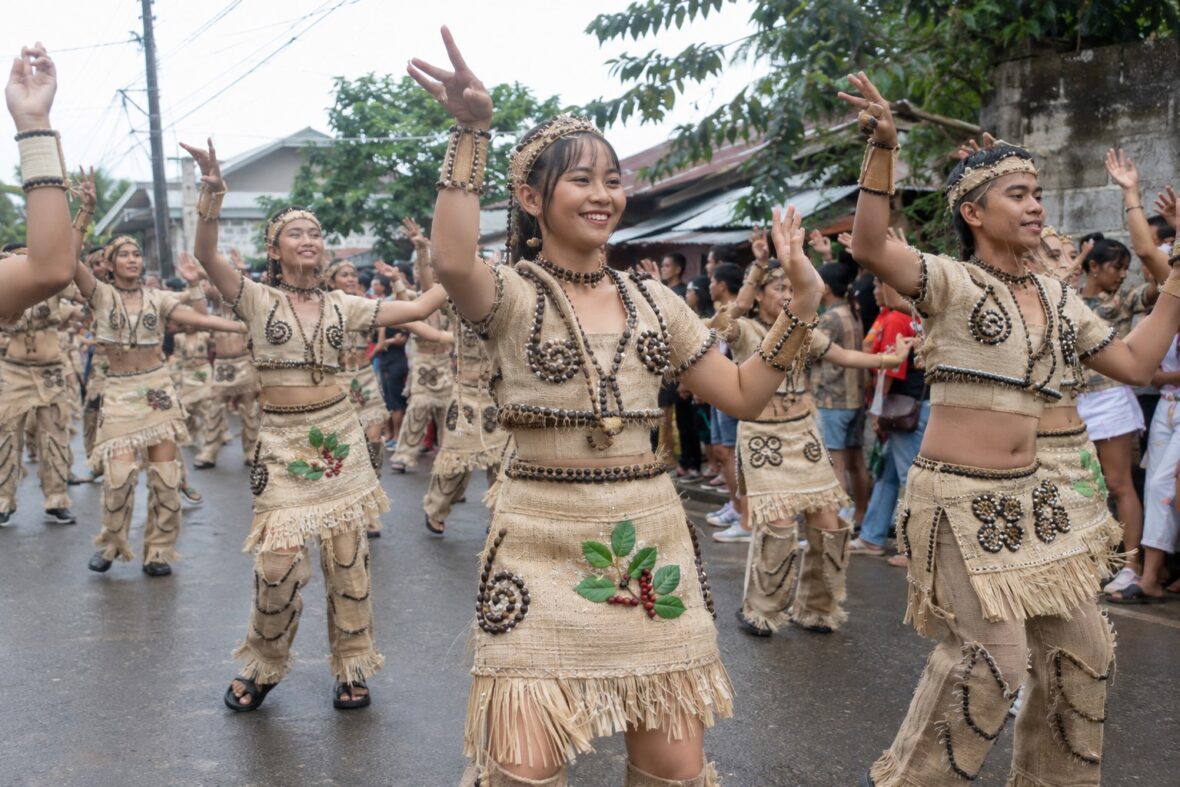
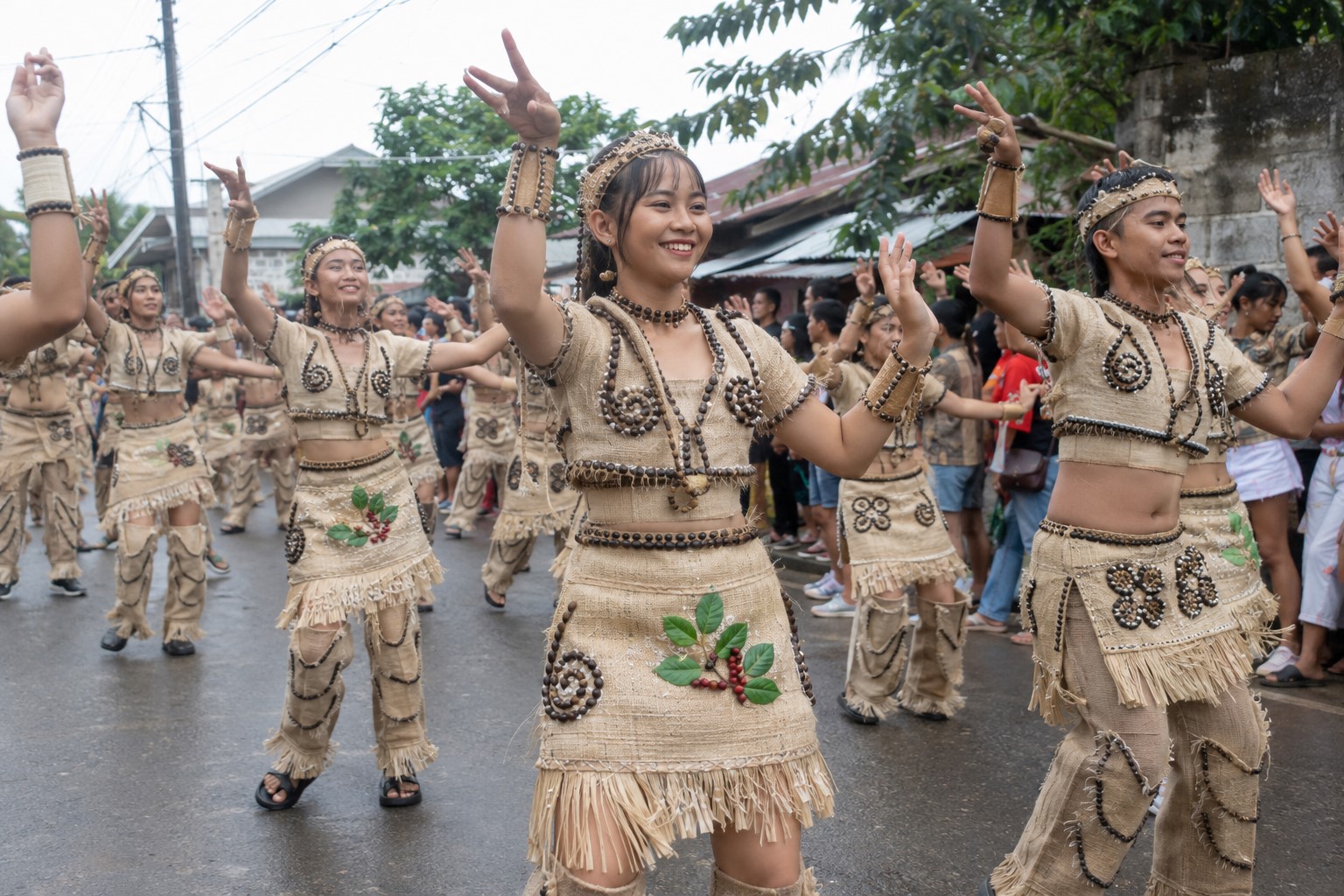
Street dancing is one of the most photographed parts of Pahimis.
Groups representing schools, barangays or community organizations perform along the streets in elaborate coffee-inspired costumes. Outfits may use earthy shades of brown, green, gold and red to represent coffee beans, leaves, trees and ripe coffee cherries.
Some costumes are made with materials that resemble woven sacks traditionally used for agricultural products. Dancers may carry baskets, oversized coffee cups, coffee branches or farming tools as props.
The routines often depict the different stages of coffee production—from planting and harvesting to roasting and serving. Instead of presenting coffee as a finished drink, the performances tell the story of how it reaches the cup.
Drums, festive music and cheering spectators give the parade plenty of energy. The aroma from nearby coffee booths makes the experience even more memorable.
Float Parade
The festival’s floats continue the coffee theme on a larger scale.
Barangays and organizations decorate vehicles with coffee leaves, cherries, sacks, farming scenes and agricultural products. Some floats feature participants dressed as farmers, harvest queens or characters representing the land and nature.
Previous editions have held competitions for the best-designed float, encouraging participants to be creative while promoting Amadeo’s coffee heritage.
The parade is enjoyable even for visitors who do not know much about coffee. The designs are colorful, detailed and clearly created with a great deal of community effort.
Arrive early if you want a good viewing spot. Roads around the town center can become crowded before the procession begins.
Coffee Trade Fair
For coffee lovers, the trade fair may be the most exciting area of the festival.
Local farmers, cooperatives, cafés and small businesses display coffee beans, ground coffee, bottled drinks and other products. Visitors can compare different roasts and varieties while learning how factors such as processing and brewing affect the final flavor.
The trade fair has also featured organic produce and other agricultural goods grown in Amadeo.
Do not rush through the booths. Talk to the sellers and ask questions such as:
- What variety of coffee is this?
- Was it grown in Amadeo?
- Is it a light, medium or dark roast?
- Is it better for brewed coffee, espresso or traditional boiling?
- Was it processed naturally, washed or through another method?
- When was it roasted?
Many sellers are happy to explain their products, especially when visitors show genuine interest.
Free Coffee Tastings
One of the festival’s most popular features is naturally the coffee tasting.
Some booths offer complimentary samples so visitors can try different blends before buying. You may taste strong traditional brews, smoother medium-roasted coffee or modern café drinks prepared by local baristas.
Drink slowly, especially when visiting several booths. It is easy to lose track of how much caffeine you have consumed when every stall offers another tempting cup.
It also helps to drink water between tastings. This refreshes your palate and allows you to notice differences between coffee varieties and roasts more clearly.
Barista and Latte-Art Competitions
Pahimis celebrates traditional farming, but it also embraces modern coffee culture.
Recent festival descriptions have included barista challenges and latte-art competitions where participants demonstrate their brewing knowledge, presentation skills and creativity.
These contests show how the coffee industry has evolved.
The farmer grows and harvests the bean. Processors prepare and roast it. Baristas complete the journey by turning it into a carefully brewed beverage.
Watching the competitions can help casual coffee drinkers appreciate the precision involved in preparing espresso, steaming milk and creating balanced drinks.
Farmers’ Symposium and Coffee Convention
Behind the public festivities are educational and industry-focused events.
Farmers’ symposiums and conventions have discussed matters such as crop management, government assistance, market opportunities, processing technology and ways to improve coffee quality. A farmers’ symposium was among the formal activities organized ahead of the 2019 festival.
These sessions may not attract the same attention as street dancing, but they are essential to the festival’s long-term purpose.
A successful coffee festival should not only sell more cups for a weekend. It should also help create better opportunities for the farmers who sustain the industry throughout the year.
Mutya ng Pahimis
Beauty and cultural pageants have also been included in previous festival programs.
Candidates often wear costumes inspired by coffee, agriculture and local traditions. Beyond physical appearance, contestants may be expected to understand Amadeo’s culture and serve as ambassadors for the municipality.
The coronation of Mutya ng Pahimis is usually one of the most glamorous evening events. It adds traditional pageantry to a festival otherwise centered on farming and trade.
Garden and Agricultural Exhibits
Coffee is not the only product grown in Amadeo.
Festival trade areas and garden shows may also feature ornamental plants, fruit, vegetables, seedlings, flowers and locally produced food. Pahimis has previously incorporated an Amadeo Garden Show alongside its coffee trade expo.
This gives plant lovers another reason to visit. You may arrive planning to buy coffee and leave carrying seedlings, herbs or a new ornamental plant for your garden.
Coffee Farm Tours
A farm visit can be one of the most educational additions to a Pahimis trip.
Some coffee farms and agricultural tourism sites around Amadeo offer visitors a closer look at coffee trees, harvesting, processing and roasting. Previous festival programs have promoted farm tourism as a way for coffee enthusiasts to appreciate the agricultural landscape behind the product.
Amadeo Artisano Coffee Farm, for example, is promoted as a Department of Tourism-accredited agritourism site in Barangay Talon.
Tours and operating hours may require advance reservations. Contact the farm directly before visiting rather than assuming it will accept walk-in guests during a busy festival weekend.
Coffee You Should Try in Amadeo
A visit to Pahimis is a good opportunity to explore coffee beyond the usual instant varieties.
Kapeng Barako
Barako generally refers to Philippine Liberica.
It is known for its bold aroma and intense character. Depending on the roast and preparation, you may notice woody, smoky, nutty or fruity qualities.
Some people love its strength immediately, while others find it more powerful than the coffee they normally drink. Try it without too much sugar first so you can appreciate its natural flavor.
Robusta
Robusta generally produces a strong cup with a heavier body and higher caffeine level than Arabica.
It is often used in espresso blends and traditional Filipino coffee. Those who enjoy coffee with a powerful kick may appreciate it.
Excelsa
Excelsa can contribute fruity, tart and complex characteristics to a blend.
It is sometimes combined with deeper-tasting varieties to create a more layered cup.
Arabica
Arabica is often associated with a smoother profile, noticeable acidity and greater aromatic complexity.
Its exact flavor depends on where it was grown, how it was processed and how it was roasted.
Pahimis Blend
For first-time visitors, the signature Pahimis Blend is a practical introduction to Amadeo coffee.
The Café Amadeo version combines Arabica, Robusta, Excelsa and Liberica, bringing together the qualities of the four commercially viable coffee types grown in the Philippines.
Try it freshly brewed during the festival and consider bringing home a bag of whole beans or ground coffee.
What Else to Buy
Coffee is the obvious souvenir, but the trade fair may offer many other local products.
Look for:
- Coffee beans and ground coffee
- Coffee-flavored pastries
- Coffee candy and chocolates
- Bottled cold brew
- Local rice cakes and delicacies
- Fruit, vegetables and organic produce
- Plants and seedlings
- Handmade crafts
- Woven or sack-style souvenir bags
- Mugs and coffee-brewing accessories
Check the roast date before buying packaged coffee. Fresher beans generally retain more aroma than products that have been sitting on a shelf for a long time.
Whole beans also stay fresh longer than pre-ground coffee, provided you have a grinder at home.
What the Festival Feels Like
Pahimis has a relaxed provincial atmosphere even when the streets become crowded.
You may hear drums from a parade while vendors prepare brewed coffee nearby. Farmers arrange bags of beans on their tables. Young performers wait in detailed costumes as families search for the best place to watch.
The entire town seems to smell like coffee.
Unlike a festival built purely around entertainment, Pahimis encourages you to slow down and pay attention to what you are drinking. A simple cup becomes an introduction to a farmer, a farm, a roasting method or a family business.
That is what makes the experience special.
You leave with more than photos of dancers. You begin to understand why coffee matters so much to Amadeo.
How to Get to Amadeo
From Metro Manila by Public Transportation
PITX is a useful starting point for many Cavite-bound routes. Its official website provides current route information and live schedules, which should be checked because bus assignments and departure arrangements can change.
Ask terminal personnel whether a direct Amadeo service is operating on your travel date. Public-transport listings have also identified routes serving Amadeo through the Tagaytay corridor, but festival visitors should confirm the current bay, schedule and drop-off point before boarding.
Another option is to travel toward a major interchange in Cavite, such as Dasmariñas, Manggahan or Tagaytay, and transfer to a local vehicle bound for Amadeo. The best connection depends on where the year’s festival activities are being held.
Tell the driver or conductor that you are going to Amadeo town proper or show the exact festival venue listed in the official program.
From Buendia
Some route guides report direct or connecting services from the Buendia area toward Amadeo. Because operators and schedules can change, confirm the service at the terminal on the day of travel rather than depending entirely on an old online timetable.
By Private Vehicle
Drivers generally approach Amadeo through Cavite’s major roads connecting it with General Trias, Silang, Tagaytay and nearby municipalities.
Use live navigation and follow local traffic advisories during the festival. Parade routes and street closures may affect access to the town center.
Parking close to the main venue can become difficult, so arrive early and use designated parking areas.
Helpful Tips for Festival Visitors
Confirm the Date
Pahimis has been held in different months in past years. Always check the current official calendar.
Arrive Early
Street closures and crowds can make travel slower than usual. Early arrival also gives you time to explore the trade fair before the busiest period.
Bring Cash
Many small vendors may not accept cards or digital payments. Bring smaller bills for coffee samples, food and local transportation.
Carry a Reusable Tumbler
A reusable cup may be useful during tastings, provided individual booths allow it. It also helps reduce disposable-cup waste.
Drink Water
Several coffee samples can add up quickly. Drink water throughout the day and eat a proper meal.
Wear Comfortable Clothes
The festival involves plenty of walking. Wear breathable clothing, comfortable shoes and sun protection.
Prepare for Changing Weather
February is often relatively comfortable in upland Cavite, but the afternoon can still become warm. Bring an umbrella for both sun and unexpected rain.
Buy Directly from Farmers and Cooperatives
Purchasing from legitimate local producers helps keep more of the value within the community.
Ask Before Entering a Farm
Coffee farms are working agricultural properties. Do not enter fields, pick cherries or photograph workers closely without permission.
Other Places to Visit Around Amadeo
You can turn your festival visit into a full-day or weekend coffee trip.
Café Amadeo Development Cooperative
This is an important name in the town’s coffee industry and the producer of the well-known Pahimis Blend. Visitors can purchase locally processed coffee while learning more about Amadeo’s cooperative approach to supporting farmers.
Amadeo Artisano Coffee Farm
Located in Barangay Talon, this accredited agritourism site offers a farm setting where visitors can experience coffee closer to its source. Confirm reservations and tour availability before going.
Local Cafés
Amadeo has a growing collection of independent cafés, garden restaurants and roadside coffee shops. Many serve locally sourced beans and offer a quieter place to relax after the main festival activities.
Tagaytay
Amadeo is near Tagaytay, making it possible to combine the festival with ridge views, restaurants and other familiar attractions.
Silang
Nearby Silang also offers farms, cafés, gardens and restaurants. It works well as an additional stop on a food-and-coffee road trip.
Why Pahimis Matters
Coffee festivals can easily become trendy lifestyle events filled with photogenic drinks and merchandise.
Pahimis has those enjoyable elements, but its deeper value lies in how it reconnects coffee with agriculture.
Every cup begins with a farmer.
Before the latte art, café interiors and stylish packaging, someone had to plant a tree, wait for it to mature, care for it, harvest the cherries and prepare the beans for processing.
Pahimis places those farmers back at the center of the story.
The festival also encourages younger generations to see coffee farming as something worth preserving and improving. By connecting traditional knowledge with modern processing, tourism, barista culture and specialty coffee, Amadeo can keep its heritage relevant in a changing market.
Final Thoughts
The Pahimis Coffee Festival is one of the best celebrations to experience in Cavite, especially for travelers who love coffee, agriculture and local culture.
Its colorful street dancers and floats create a lively festival atmosphere, but the most memorable moments may happen away from the parade. It could be a conversation with a farmer, your first taste of Liberica or the aroma of freshly roasted beans drifting from a small booth.
Pahimis reminds us that coffee is not just something we drink when we need energy.
In Amadeo, it represents livelihood, history, community and gratitude.
So come with an empty tumbler, a curious palate and enough space in your bag for a few packs of local coffee. By the time you leave, you may never look at an ordinary cup of coffee in quite the same way again.