Butterflies have always been symbols of change.
They begin as tiny caterpillars, disappear into their cocoons and eventually emerge with colorful wings. It is one of nature’s most beautiful transformations—and it is the perfect symbol for the story of Dasmariñas City.
Every November, Dasmariñas celebrates this journey through the Paru-Paro Festival, a lively citywide event filled with butterfly-inspired costumes, energetic street dancing, creative floats, pageants and community activities.
The festival is entertaining to watch, but its meaning goes much deeper than its colorful appearance. The butterfly represents how Dasmariñas transformed from a small agricultural community into one of Cavite’s busiest centers for education, business, housing and public services.
For residents, the festival is a celebration of how far their city has come. For visitors, it is a chance to experience another side of Dasmariñas beyond its familiar highways, subdivisions, universities and shopping centers.
Content
What Is the Paru-Paro Festival?
The Paru-Paro Festival, sometimes written as Paruparo Festival, is the official butterfly-themed festival of Dasmariñas City in Cavite.
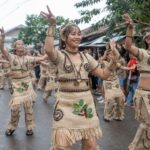
The word paru-paro simply means “butterfly” in Filipino. During the celebration, streets come alive with dancers wearing enormous wings, colorful headpieces and costumes inspired by different butterfly species.
The festival is traditionally celebrated around November 26, together with the city’s founding or cityhood anniversary. It was formally established through City Council Resolution No. 069-s-2011 and Special Ordinance No. 02-s-2011.
While many Philippine festivals are connected to a patron saint, agricultural harvest or local food product, Paru-Paro Festival primarily celebrates the development and identity of the city itself.
Its central message is transformation.
Just as a butterfly changes dramatically throughout its life cycle, Dasmariñas has grown from a relatively small community into a highly developed urban center. The city government has described the festival as a reflection of Dasmariñas’ journey from a former village associated with Imus to a progressive city known for education, commerce, industry and public services.
Why the Butterfly Represents Dasmariñas
The butterfly is more than a cute festival mascot.
Its life cycle tells a story of patience, struggle, development and eventual transformation. Dasmariñas adopted this imagery to represent the many stages the community experienced before becoming the city people know today.
There was a time when much of Dasmariñas was associated with farming and rural life. Over the years, residential communities expanded, businesses opened, universities established campuses and major roads connected the area more closely with Metro Manila and the rest of Cavite.
The city is now home to large educational institutions, hospitals, commercial areas, government facilities and densely populated neighborhoods. That enormous change is what the butterfly represents during the festival.
The symbolism also works on a personal level.
For students, the butterfly may represent learning and discovering one’s potential. For workers and business owners, it may symbolize better opportunities. For longtime residents, it represents the changes they have witnessed in their hometown.
That is why the butterfly theme never feels separate from the city’s story. It has become part of how Dasmariñas presents itself to visitors and how many Dasmarineños express pride in their community.
The Cityhood Story Behind the Festival
Dasmariñas officially became a component city through Republic Act No. 9723, signed on October 15, 2009. The law converted the Municipality of Dasmariñas into the City of Dasmariñas, subject to ratification through a plebiscite.
The community’s transition into cityhood became another major chapter in its transformation.
The Paru-Paro Festival was formally introduced shortly afterward, with the first regular celebrations beginning in the early 2010s. By 2017, the city was already holding its sixth edition, confirming that the festival had become an established annual tradition.
November 26 is now closely associated with the celebration. Republic Act No. 11461 declares November 26 of every year a special working holiday in Dasmariñas and all its barangays to commemorate the city’s founding anniversary.
The complete festival program changes from year to year. Some activities may begin several days before November 26, while major parades, competitions and ceremonial events are usually scheduled near the anniversary itself.
What to Expect at the Paru-Paro Festival
The festival is one of the most visually recognizable celebrations in Cavite.
Butterflies appear everywhere—on costumes, parade props, floats, banners, stages and street decorations. Bright shades of yellow, pink, orange, blue, green and purple dominate the celebration.
Some costumes are inspired by real butterfly species. Others are imaginative creations covered in sequins, flowers, feathers, fabric patterns and oversized wings.
The atmosphere can feel almost magical, especially when hundreds of dancers move together. As performers raise and lower their arms, the wings create the illusion of butterflies fluttering through the city streets.
Street-Dancing Competition
Street dancing is usually the most exciting and heavily photographed part of the Paru-Paro Festival.
Large contingents representing schools and community groups perform choreographed routines while wearing butterfly-inspired costumes. Participants dance along designated streets before presenting a final routine at the competition venue.
A documented edition of the festival brought together 36 elementary and secondary school contingents. Each group had around 40 to 50 members, showing how large and coordinated the celebration can become.
The performances often tell a story.
A routine may begin with dancers acting like caterpillars crawling close to the ground. The music slowly changes as performers form a symbolic cocoon. Finally, the dancers reveal their wings and fill the performance area with color.
Other presentations focus on the transformation of Dasmariñas itself. Props may represent farmland, schools, homes, factories, roads and modern buildings. The dancers use the butterfly’s life cycle to show how the city progressed through different stages.
Preparing for the competition requires months of work. Students and coaches must develop the concept, practice the choreography, create costumes, build props and learn how to perform while moving through a long parade route.
The result is an energetic display of teamwork, creativity and community pride.
Butterfly Costumes
The costumes are among the festival’s greatest attractions.
Some wings extend several feet from the dancer’s body. Others are attached to the arms so that they open and close whenever the performer moves. Headpieces may include antennae, flowers, miniature butterflies and glittering decorations.
Costume designers use different approaches to the butterfly theme. One group may wear elegant monarch-inspired wings in black and orange, while another chooses neon colors and fantasy-style patterns.
Small movements make a big visual difference.
When dancers spin, the wings create circles of color. When the entire group bends forward, the butterflies seem to disappear. When everyone rises at the same time, it looks as though a whole garden has suddenly taken flight.
Awards such as Best in Costume have been offered during earlier editions, giving groups another reason to pay close attention to design, construction and visual impact.
Grand Parade
The grand parade brings together dancers, schools, city officials, employees, community organizations and representatives from different sectors.
Previous parade routes have passed through roads such as Governor Mangubat Avenue, Aguinaldo Highway, Daño Street and streets leading toward the city government area. However, routes may change each year depending on traffic conditions, construction and event arrangements.
The parade provides a wider view of the community.
You may see uniformed groups marching beside dancers, school bands performing between contingents and residents cheering from sidewalks, shops and building balconies.
Even people who are not competing join the butterfly theme. Children may wear butterfly headbands, families carry colorful umbrellas and businesses decorate their storefronts for the occasion.
Because Dasmariñas is a busy city, the parade can affect traffic significantly. Visitors should expect road closures, rerouting and slower travel near the official festival route.
Float Parade
Decorated floats have appeared in several editions of the festival.
These are not ordinary vehicles with a few flowers attached. Participants often create elaborate moving displays covered with enormous butterflies, gardens, illuminated decorations and scenes representing the city’s growth.
The float parade returned as a major feature of the 2018 celebration after being temporarily removed from the previous year’s program because of road rehabilitation and traffic concerns. That edition also featured the search for a Festival King and Queen and Binibining Dasmariñas.
Recent celebrations have continued to include float activities. The 2025 program featured a lighted-float parade held around the City of Dasmariñas Arena grounds.
Lighted floats offer a completely different experience from the daytime parade.
Once evening arrives, illuminated butterflies, glowing flowers and colorful installations transform the festival venue. The lights make the floats appear more magical, particularly when accompanied by music and performers.
Festival King and Queen
The search for the Festival King and Queen showcases the theatrical and artistic side of Paru-Paro Festival.
Participants wear elaborate costumes inspired by butterflies, nature and Dasmariñas culture. These outfits may include large wings, jeweled crowns, flowing capes and complex structures that require balance and confidence to carry.
Contestants are judged not only by how they look but also by how effectively they present the costume and embody the festival theme.
A costume may symbolize the city emerging from hardship. Another may incorporate buildings, books and graduation symbols to represent Dasmariñas as an education center.
The event gives local designers, makeup artists and performers an opportunity to display their talent while interpreting the butterfly theme in their own way.
Binibining Dasmariñas
Beauty pageants have also become part of the festival season.
Binibining Dasmariñas brings together candidates representing different communities or sectors of the city. The competition typically includes formal wear, interviews, cultural presentations and other pageant segments.
The pageant adds glamour to the celebration, but it can also serve as a platform for discussing community involvement, youth leadership, education and local advocacy.
Candidates are expected to represent Dasmariñas confidently and understand the significance of the festival and cityhood celebration.
Music and Cultural Performances
Aside from the major competitions, the festival period may include concerts, school presentations and cultural performances.
Stages are often established at public venues where residents can watch dance groups, singers and invited performers. Barangays and local organizations may also organize their own programs.
These activities help extend the celebration beyond the main parade day.
A visitor who cannot attend the street-dancing competition may still experience the festival through evening programs, city decorations and other events scheduled throughout the week.
The official calendar changes annually, so it is always best to check announcements from the City Government of Dasmariñas and its tourism office before traveling.
What the Festival Feels Like
Paru-Paro Festival is bright, youthful and energetic.
Long before the parade begins, dancers are already gathering in side streets and covered courts. Some are applying makeup, while others are adjusting wings or practicing final steps.
Parents carry bags filled with water, food and extra costume materials. Teachers and coaches give last-minute instructions. Drummers test their instruments while spectators search for a good viewing position.
Then the music starts.
One by one, the contingents enter the street. Huge wings rise above the crowd, drums echo between buildings and dancers smile even under the midday heat.
The best way to experience it is not to rush.
Stay long enough to watch several contingents because every group interprets the butterfly differently. One performance may be playful and cheerful, while another feels dramatic and theatrical.
The colors naturally attract attention, but the effort behind the performances is what makes the experience memorable.
When Is the Paru-Paro Festival Celebrated?
The festival is traditionally centered on November 26, although related events may be held earlier or spread across several days.
November 26 is connected to the city’s founding or cityhood anniversary and has been recognized by law as a special working holiday in Dasmariñas.
The latest fully documented celebration available during preparation of this article was the 2025 Magical Paru-Paro Festival, which included events such as Binibining Dasmariñas, street dancing and a lighted-float parade.
Visitors planning for 2026 or later should wait for the current year’s official calendar. Competition venues, parade routes, starting times and traffic arrangements can change.
Where Is the Festival Held?
Activities take place in different parts of Dasmariñas.
Street parades have historically used sections of Governor Mangubat Avenue, Aguinaldo Highway and roads around the city center. Major indoor or arena-based programs may be held at the City of Dasmariñas Arena or other government facilities.
Do not assume that every activity takes place in Dasmariñas Bayan.
Some competitions may be staged around Burol or the arena area, while parades may pass through major roads before ending at an official venue.
Check the exact location of the activity you want to attend. Showing a driver the specific venue is more helpful than simply saying “Paru-Paro Festival.”
How to Get to Dasmariñas
From Metro Manila via PITX
PITX is one of the most convenient starting points for commuters traveling from Metro Manila.
The terminal serves routes to Dasmariñas and other Cavite destinations using Aguinaldo Highway. Official PITX route information lists services connecting the terminal with areas such as Dasma Bayan, WalterMart Dasmariñas and Pala-Pala.
Choose your bus based on the festival venue.
For events near Aguinaldo Highway, a bus traveling toward Dasmariñas, Trece Martires, Tagaytay, Mendez, Alfonso or Nasugbu may pass through useful parts of the city. Confirm the drop-off with the conductor before boarding.
For activities around Dasma Bayan or locations away from the highway, you may need to transfer to a jeepney, modern jeepney or tricycle.
From Other Parts of Cavite
Jeepneys and buses connect Dasmariñas with Imus, Bacoor, General Trias, Trece Martires, Silang, Tagaytay and nearby communities.
The most practical route depends heavily on the event location. Pala-Pala is a major transport area, but it may not be the closest stop for every festival activity.
By Private Vehicle
Drivers from Metro Manila commonly approach Dasmariñas through Aguinaldo Highway or roads connecting through Daang Hari and Molino.
Traffic is already heavy on ordinary days, and festival road closures can make travel slower. Use live navigation, follow local traffic advisories and avoid parking along the parade route.
Arriving early is highly recommended.
Tips for Attending the Festival
Check the Schedule Carefully
Do not rely on a poster from a previous year. The float parade, street-dancing competition and pageant may be held on separate dates.
Arrive Early
Spectators begin gathering before the parade starts. Arriving early gives you a better viewing position and helps you avoid roads closed immediately before the event.
Prepare for Heat and Rain
November is outside the hottest part of the year, but daytime conditions can still be warm and humid. Bring water, sunscreen and an umbrella.
The umbrella will also be useful during unexpected rain showers.
Wear Comfortable Shoes
You may need to walk considerable distances because vehicles are often unable to enter roads near the parade route.
Bring Cash
Street vendors, tricycles and temporary food stalls may not accept digital payments.
Protect Your Belongings
Keep your phone and wallet secure, especially when sidewalks become crowded. Avoid bringing unnecessary valuables.
Respect the Performers
Do not step into the parade route to take a photo. Dancers need space to move, particularly when they are carrying large wings and props.
Ask Before Photographing Up Close
Wide photographs of the public parade are generally expected, but ask permission before taking close portraits of performers while they are changing costumes, eating or preparing backstage.
Where to Eat
Dasmariñas has no shortage of dining options.
Major commercial areas around Pala-Pala, Aguinaldo Highway and Governor’s Drive offer restaurants, cafés, fast-food outlets and food courts. Smaller local eateries can also be found around Dasma Bayan and residential communities.
During festival activities, temporary vendors may sell grilled food, snacks, drinks and familiar Filipino street food.
Because festival schedules can run for several hours, eat before entering a crowded parade area. Carry a small bottle of water and a light snack, especially when traveling with children.
Other Places to Visit in Dasmariñas
The festival can be combined with other stops around the city.
Museo De La Salle
Located inside De La Salle University–Dasmariñas, Museo De La Salle is a lifestyle museum devoted to preserving aspects of 19th-century Philippine ilustrado culture. Its collections are presented within a traditional bahay na bato-inspired setting.
The museum normally accepts visitors on weekdays, but reservations, campus access rules and operating times should be confirmed directly before going.
Promenade des Dasmariñas
Promenade des Dasmariñas is a public urban garden developed beside the river along Governor Mangubat Avenue. It was created as part of a river rehabilitation and beautification project and provides residents with a green recreational space within the city.
Check its current opening arrangements before visiting, particularly during holidays or special events.
Immaculate Conception Parish Church
The historic Immaculate Conception Parish Church in Dasmariñas Bayan is one of the city’s important religious landmarks.
Its central location also makes it a useful stop when exploring the older part of Dasmariñas.
Pala-Pala Commercial Area
The Pala-Pala area is one of the busiest parts of the city, with shopping centers, restaurants and transportation connections.
It is a practical place to eat, meet companions or arrange transportation before and after festival activities.
Bringing Children to the Festival
Paru-Paro Festival can be especially enjoyable for children.
The wings, bright costumes and music make the parade feel like a live storybook. However, parents should choose a viewing area away from the most crowded sections.
Bring water, snacks, a hat and a change of clothes for younger children. Write a parent’s contact number on a card or wristband in case the child becomes separated from the group.
Explain that they should not touch the dancers’ wings or props. Many costumes are delicate and can take weeks to construct.

Why the Paru-Paro Festival Matters
Rapid development can sometimes make a city forget what it used to be.
New roads replace open fields. Subdivisions appear where farms once stood. Shopping centers become familiar landmarks, while younger residents may know little about the community’s earlier years.
Paru-Paro Festival gives Dasmariñas a way to tell its story.
The butterfly recognizes that change has taken place while suggesting that transformation can create new possibilities. It connects the city’s rural past with its modern identity.
The festival also brings different parts of the community together.
Students, teachers, parents, artists, designers, city employees, business owners and neighborhood organizations all contribute to the celebration. The result is not created by one performer or one government office. It depends on the shared effort of thousands of people.
For young participants, the festival can become a lasting memory. They may forget the exhaustion of rehearsals, but they will probably remember the moment they opened their wings and performed before the entire city.
Final Thoughts
The Paru-Paro Festival is one of Cavite’s most colorful celebrations, but its beauty is not limited to its costumes.
Behind every butterfly wing is a story about transformation.
It is the story of Dasmariñas growing from a small community into a busy city. It is the story of students developing confidence through performance, artists turning simple materials into elaborate costumes and residents coming together to celebrate their shared identity.
The grand parade, street dancing, pageants and glowing floats make the festival exciting for visitors. Yet its most meaningful message is simple: change is part of life, and every stage of growth deserves to be remembered.
When hundreds of brightly colored wings begin moving through the streets, you see more than butterflies.
You see an entire city celebrating how far it has traveled—and looking forward to wherever it will fly next.